Perfume Review: Amouage Opus VI (The Library Collection)

Source: LearnLearn.net

Source: LearnLearn.net

The royal perfume house of Amouage would be perfect for a fairy tale or Greek myth. It would be the story of King Midas, and all he touched would be perfume gold. It would have Ali Baba and a cave filled with treasures of scent and spice, incense and frankincense — not stolen by thieves but given freely by the Sultan with the order to create the most luxurious scent in all the land. Actually, that last bit happened in real life — with the Sultan of Oman.

As the renowned perfume critic, Luca Turin, said in a 2007 German magazine article:

The story of Amouage is remarkable. Twenty five years ago an Omani prince decided that his country, renowned since Egyptian times for the quality of its frankincense, home to the unique Green Mountain rose and on whose beaches half the world’s ambergris lands at random, needed a perfume firm that would take on the world’s greatest.

Nakhal Fort, Oman. Source: AzzahaTours.com

Nakhal Fort, Oman. Source: AzzahaTours.com

So, in 1983, His Majesty Sultan Qaboos bin Said, the ruler of the Sultanate of Oman, ordered His Highness Sayyid Hamad bin Hamoud al bu Said to do just that. And the fame of the perfumes have spread ever since, helped by the fact that one of them (Gold) was once the most expensive perfume in the world.

In 2010, Amouage launched a new line entitled The Library Collection which was meant to be a “poetic homage to the art of living.” They were

inspired by the recollections and fragments that collectively represent a tome of memories. The name of the collection is drawn from the notion of the hidden treasures in a library; a notion that kindles our desire to discover, to learn.

Amouage Opus VIIn 2012, Amouage added Opus VI to its line and it was, surprisingly, the first amber perfume released by the royal house. Amouage describes Opus VI as “an amber, leather and woody fragrance inspired by the destruction and reinvention of knowledge and memories. Symbolising the end of a love affair, eternity is represented as broken memories in the design of the box.”

The notes, as compiled from both Amouage‘s website and Fragrantica, are as follows:

top: Sichuan pepper, Frankincense, St. Thomas Bay (bay rum)
heart: Periploca [silk vine], Cypriol [papyrus grass oil], Patchouli
base: Ambranum, Z11, Cistus [Labdanum or rock rose], sandalwood, Citrus

Periploca. Photo: Chris Moore via Basenotes.

Periploca. Photo: Chris Moore via Basenotes.

Since a lot of these ingredients are extremely uncommon, I’m going to take time to go through a few of them. According to Fragrantica, Periploca is “a plant that grows in the Balkans with an odor profile between almond and incense.” Elsewhere, however, the scent has been compared to jasmine; on Basenotes, some remark that the aroma is unpleasant and akin to rotting vegetables. In short, there is no consensus. As for the other unusual notes, cypriol is a kind of papyrus grass, and ambranum is a synthetic compound that replicate the smell of amber, while Z11 is a synthetic that smells like dry wood.

The Amouage press release quoted by Fragrantica explains not only the deliberate reason why the synthetics were used in lieu of the more traditional elements, but also elaborates further on the whole issue of heartache and memories:

Opus VI, presented as a romantic fragrance creating its own vivid memories, is a woody amber oriental, inspired by the traditional medicine for broken hearts, amber. But whereas traditional amber is created through balsamic raw materials, creative director Christopher Chong approaches this most traditional concept through a modern lens, fusing synthetic molecules with a decidedly modern olfactory profile, such as Ambranum and Z11. This supposedly helps create a discordant effect which is not unlike the emotional frame of when someone tries to forget the memories of a heartache! According to Chong: ‘Personal memories are a fragmented journey into our lives. A source of profound knowledge, a sort of secret diary in the minds of each of us.’

Hm. I haven’t the foggiest idea what heartache smells like but, whatever it is, I don’t think it smells like this! Opus VI is a very labdanum-heavy amber scent with lots of incense, patchouli and some spiciness that, to me, evokes nothing more than an old Bedouin sheikh who uses very heavy attars and perfumed oil in his beard in the traditional Muslim manner. No heartbreak, no profound knowledge, no secret diary. To me, Opus VI is a very traditional Middle Eastern scent that I think is tolerable at times, but hugely over-priced for what it is. 

"Arab policeman" by DennisSylvesterHurd via UnearthingAsia.com

“Arab policeman” by DennisSylvesterHurd via UnearthingAsia.com

Opus VI explodes on my skin with super-charged labdanum. You can read my Glossary (linked up above) for full details on what labdanum is but, in a nutshell, it’s a very leathery, heavy, balsam-like amber resin. Here, its usual masculine, dirty underpinnings are heightened to an extreme degree. For once, I am transported back thousands of years to ancient times when shepherds would scrape the resin off the chests and beards of goats who had clambered on or around the rock rose. There is almost a sweaty, goat-like feel to the labdanum and, even for one like myself who usually adores the note, it’s a little too animalic in those opening minutes. 

A goat whose chest and beard are covered with labdanum. Source: labdanum-creta.blogspot. com

A goat whose chest and beard are covered with labdanum. Source: labdanum-creta.blogspot. com

Though the labdanum dominates, there are other notes in that initial start. There is quite a bit of boozy rum — not boozy amber, but something more akin to actual rum. Underneath that, there is chili pepper, frankincense smoke, unctuously dirty, black patchouli, and almost a dry paper element. The second time I tried Opus VI, I could also detect notes that felt like bay leaf, cloves and cardamom. As the minutes pass, the labdanum starts to become a tiny bit less dirty and animalic, leaving more of a general feel of extremely thick amber with boozy rum. There is an undertone to the labdanum, perhaps from the strong patchouli, that sometimes seems almost like leathery toffee or slightly burnt butterscotch; it creates a visual colour image of burnt umber or blackened terracotta. Skirting around the edges of all this leathery labdanum, there is a citrus note that flickers like a candle in a wind.

Five minutes in, the smoke and spices increase. The frankincense becomes stronger, evoking the scent of a burning bonfire in the fall. The patchouli note is much more noticeable, too, but it is the chili pepper that impresses me the most. It definitely feels like Sichuan pepper and serves to add some spicy heat to the dominant accord of thick, balsamic resins.

Those resins soften considerably as time passes. The labdanum’s shriekingly dirty side becomes a little less extreme, leaving an overall impression of honeyed amber, patchouli, incense and spice in the richest way possible. Yet, surprisingly, the perfume’s strength in the first 30 minutes is not matched by its sillage; Opus VI’s projection drops rapidly to something much less aggressive and much softer. In fact, the perfume as whole starts to feel quite soft. I realise that seems like a contradiction given those heavy notes and their strength, but Opus VI turns into something that isn’t opaque and thick in weight.

Something about the spiciness of Opus VI in the first 30 minutes evokes the dry-down of vintage Opium. The Sichuan pepper, in conjunction with the other notes, creates something like the cloves, spices, heavy labdanum, sandalwood and citrus feel of (real, vintage) Opium’s final hours. Opus VI is nowhere as gorgeous, complex, sophisticated, layered or nuanced as Opium — my all-time favorite perfume — but there is definitely some nod to the great, benchmark Oriental here. It is quite a surprise, and a pleasant one at that. Perhaps the greatest surprise, however, is that none of the notes feel synthetic. Amouage may have used Ambranum to replicate amber and Z11 for the aroma of dry wood, but Opus VI smells as if only real (and very expensive) ingredients have been used. There is nothing chemical, artificial or abrasive about Opus VI, though the dirty nature of the labdanum may be a little excessive in the first twenty minutes.

At the one hour mark, the spices recede, the labdanum turns more musky, and there is the vague hint of some jasmine. I’ll assume it is from the Periploca since I’ve never actually smelled the plant and, prior to reviewing Opus VI, had never even heard of it, either. Whatever the reason, there is a quiet floral aspect to Opus VI but it is fleeting. Soon, all that really remains of the scent is labdanum intertwined with strong frankincense smoke, black patchouli, musk, and a vague, abstract sense of spices — all over a dry wood undertone. The odd thing is that musky element. There is a definite animalic, skanky side to the resin now that evokes both civet and, to a small degree, the pure musk of Parfum d’Empire‘s Musc Tonkin. I can’t say that I particularly like it. Even odder for me to wrap my head around is just how paradoxically sheer and light the perfume is, while certain notes feel so unctously thick. They aren’t actually thick at all, but something about that labdanum….

After a few hours, the main threads of leathery, musky labdanum with dirty, black patchouli, and incense remain the same, but, now, a very strong accord of dry woods starts to appear. It’s not any one particular type of wood; rather, it’s just an abstract and extremely arid vague “woods” note. The dryness is huge, undoubtedly due to the Z11, and it creates a surprisingly odd contrast. Honestly, I’m not crazy about the dissonance and overall polarity.

Opus VI has astounding longevity, so its drydown phase finally starts about 8 hours later. It is simple: just amorphous amber, honey, beeswax and benzoin which creates a vague sense of nutty, caramel, amber. I tested Opus VI twice, each time using a lesser amount. The first time, I put on the equivalent of 2 good sprays and the perfume lasted almost 15 hours! On me! It was mind-boggling. The second time, I dabbed on what would essentially amount to one smallish to moderate spray and it lasted 12 hours, with the perfume lingering for much of that time right on the skin. Almost no projection at all.

What was interesting to me was that the lesser amount significantly changed what small nuances were detectable in the scent. Using only about one spray, Opus VI became a labdanum and patchouli fragrance with beeswax, and only the vaguest of other elements to it. It also became a skin scent in about thirty-five minutes on me. As a whole, this is not a perfume with massive sillage. On my first test, with 2 sprays, it became a skin scent within about 2 hours but even before, it didn’t projected out beyond a few inches. Opus VI is strong with a greater amount, but it’s also surprisingly sheer.

I liked the perfume less and less with every test. I actually put it on a third time just to be sure but, to be honest, I’d really had enough of it by that time and only lasted an hour before I washed it off. It wasn’t just the sometimes cloying, dirty, skanky aspects of the labdanum in those opening phases; I was also mentally bored by the scent’s linearity and something about its progression really turned me off. Yet, the reviews from other perfume bloggers are uniformly positive, even a little gushing. Whether it’s The Non-Blonde, Olfactoria’s Travels, The Candy Perfume Boy, or the always laudatory, always effusive, never (ever) critical CaFleureBon, the reviews are overwhelmingly adoring.

Well, apparently, I’m much harder to please when it comes orientals. I am a hardcore Orientalist down to my very fingertips, and if there is one thing I know extremely well is opulent, super-rich, powerful Orientals. There is, in fact, nothing I love more. But, to Opus VI, I give a nonchalant shrug. It’s fine, I suppose. Parts of it are actually quite nice on the very first go-round, namely the part where it smells like a less nuanced, less sophisticated, less interesting, less spicy and less potent version of my beloved Opium. Sure, Opus VI is quite rich as compared to something like a L’Artisan scent or Kilian’s boring Amber Oud (that actually has almost no oud in it at all). But that doesn’t mean Opus VI is a particularly interesting, complex Oriental except on the relative scale of things.

I started out being generally underwhelmed and unimpressed but, with successive applications, my slightly disdainful indifference turned into something much more negative. I love labdanum, have tested quite a bit of labdanum fragrances (especially recently), and I adore heavy, opaque, potent, resinously rich Orientals. At best, Opus VI is a simple but boring labdanum-dominant fragrance that is typically Middle Eastern like a million attars (or ittars) from the region. I’ve spent time in the Middle East and this is a pretty traditional, generic scent — so much so that I kept imagining some Arab man perfuming his beard or mustache with the oil of it. At worst, Opus VI is a monochromatic, linear, occasionally unpleasant fragrance that tired me out enormously, and which actually made me question just how much I loved labdanum as a whole.

And that’s even before we get to the price. $325 for this? Never in a million years. I think it’s massively over-priced for what it is. Frankly, I don’t understand the hype at all. I could perhaps understand paying Amouage prices for something like Jubilation 25 or maybe even Jubilation XXV — but never for Opus VI. I suppose I should add that a portion of the perfume’s high price probably stems from the packaging: all Amouage fragrances come in a bottle of expensive French crystal with some gold plating and, occasionally, sterling silver as well. Here, Opus VI

is adorned with a gold label simply declaring Opus and the number of the fragrance in roman numerals. The metal cap is gold-plated with the very regal and distinctive Amouage shield resting on the top protected under a transparent coat. The box is reminiscent of a tome (a volume of scholarly book). To complement the bottle’s contemporary classic look, the box is covered in champagne coloured fabric to give it an illustrious appearance.

Fine. Still not worth $325 though, in my opinion. In fact, I wouldn’t wear Opus VI if it were given to me for free.

DETAILS:
U.S. availability & Stores: Opus VI comes only in a 3.4 oz/100 ml eau de parfum that retails for $325. It is currently on sale at Beauty Encounter for $300 with free shipping in the US and international shipping for roughly an additional $25. Opus VI can also be purchased online at MinNY, ZGO, or Parfums Raffy. Parfums Raffy is the authorized retailer for Amouage, and provides free domestic shipping along with samples. Parfums Raffy also sells a Sampler Set of six Library Opus scents (minus the brand new, just released Opus VII) for a really good price of $30. Each perfume vial is 2 ml. Luckyscent usually carries Amouage but Opus VI is back-ordered until October 2013.
Outside the US: In Canada, The Perfume Shoppe offers a 5 ml travel size (about 65 sprays) of Opus VI for $50 with free worldwide shipping. I don’t see full bottles of Opus VI on the site but you may want to check for yourself. In the UK, Opus VI is available at Les Senteurs for £240.00. There is also an Amouage boutique in London. In Germany, it is available at First in Fragrance where it costs €275.00 with free shipping within the EU and shipping elsewhere for a fee. Of course, the perfume is also available on Amouage’s own website. The website also has a “Store Finder” for about 20 countries which should, hopefully, help you find Opus VI somewhere close to you.
Samples: Samples of Opus VI are available at Surrender to Chance (the decant site I always use) where the smallest vial costs $3.99. The site also sells a Sampler Set for 6 of the Library line which starts at $19.99 for 1/2 ml vials. The Parfums Raffy deal is a much better one given the size of those vials.

Perfume Reviews: Lubin Galaad, Akkad & Korrigan

Ancient history, the mysteries of the Middle East, Galahad atop his fiery steed in the Holy Lands, the Balm of the Sacred Mountain, luminous amber with sacred herbs, and mythical creatures who concoct elixirs in celebration of Dionysius — those are the inspirations behind a trio of fragrances from the French niche perfume house of Lubin. Created by Delphine Thierry and Thomas Fontaine, Galaad, Akkad and Korrigan are three Oriental fragrances released in 2012 for a perfume house whose history is far more fascinating that the perfumes themselves.

Lubin coat of arms logo

Lubin was founded in 1798 by Pierre François Lubin, soon after the French Revolution. He had apprenticed under the perfumer who served Marie-Antoinette but this was a new political climate. Lubin soon won favour with Napoleon’s Imperial court and his scents were beloved by both Empress Josephine and Napoleon’s influential sister, Pauline. The royal courts of Europe soon followed suit, from the King of England to the Tsar of Russia. Once Napoleon fell, the seemingly wily, pragmatic Lubin managed to curry favour with the new royal dynasty by dedicating his fragrances to the Bourbon queen, Marie-Amélie. A very ambitious man, Lubin seemed to need more worlds to conquer and, in 1830, became the first perfume-maker to conquer the New World with perfumes that reached the banks of the Mississippi. I have no idea if that last part of biographical past was embellished a little bit but, frankly, I didn’t care one whit. For a history geek like myself, it was all utterly fascinating.

Unfortunately, I far preferred the history to the new perfumes. Everything about the background stories for the fragrances has been done with finesse, poetry and beauty, but the perfumes themselves left me feeling cold. And I’m genuinely saddened by that. If you ever have time to spare, I urge you to check the Lubin website for their gorgeous graphics and story for each scent. They’re really incredibly well-done.

GALAAD:

Galaad from the Lubin website via MrNyStyleandTravel.com.

Galaad from the Lubin website via MrNyStyleandTravel.com.

Galaad is classified on Fragrantica as an “oriental woody,” and is centered on leather and myrrh. The story behind Galaad involves the “Balm of the Sacred Mountain,” the Arthurian knight, and the most precious of the Holy Land’s ingredients:

Out of Egypt come caravans to fetch myrrh in my land of Galaad. My name is the same as that of the land that witnessed my birth, for I am Galaad, the knight of the Holy Mountain. It is rich with honey from our hives, tall cedars that shade it and resins brought to Pharaoh. With frankincense, cypress and dried grass from Atlantis, we refine the precious balm used by the lords of the East to perfume themselves.

Lubin GalaadThe press release shared by Luckyscent adds to the beauty of the story and describes its notes as follows:

A heart of myrrh is topped with spices that bring out refreshing head notes (cardamom), and sustained by aromatic base notes (rosemary, cypress). The base is cool leather with wood and tobacco (blond tobacco, Atlas cedar, agar oud).

Delphine Thierry, who created Galaad, invites us to a tranquil morning ride in the mountains of the Middle East, when the scents of myrrh bushes blend with cypress resins and the woody fragrance of cedars. The leather of saddle and gloves gently warm up in the first rays of sun, while the little Arab horse snorts amidst the morning dew that has settled on Judean balsam trees and on the vines climbing along the mountain slopes of Galaad.

Notes: Cardamom, cypress, rosemary, myrrh, honey, copahu balm, Agar oud, Atlas cedar, cipriol, blond Burley tobacco.

Beautiful! If only the perfume smelled that way….

Instead, on my skin, Galaad was the rankest of sweaty leather. It opened with cardamom and honeyed myrrh with a very animalic, dirty, nutty, sweaty leather feel. Copahu balm is said to be a very sweet, balsamic resin and, here, it shares some characteristics with labdanum. Only much, much skankier. The leathery undertones to the perfume compete with some very sweetened wood notes that have an oddly herbaceous element to them. At the same time, there is a hint of dry tobacco that almost evokes the pages of a very ancient manuscript. I ascribe that to the cipriol which is another name for papyrus grass.

Source: Equisearch.com

Source: Equisearch.com

There is something odd about the smell that I really struggle to describe and cannot quite pinpoint. There is something not quite… right… about it all. The mix of honey and dirty ambered resin calls to mind a very sweaty saddle covered by sweetness; there are salty aspects; papery notes; dry, peppered woods; and something a bit rank. It’s not even the eventual smell of sweaty crotch that appeared after about an hour. It’s something that I can’t quite describe. And I didn’t like it very much at all. I tried Galaad twice to be sure and, the second time, it was even more rank on me with a skanky, fecund undertone that evoked unwashed private parts. It wasn’t huge and it was subtle, but it was most definitely there.

Lucas of Chemist in the Bottle was also not a fan of Galaad. He found “something sweaty” in it, along with a note of burnt plastic. He also detected oud in the perfume; I did not. But maybe I was just overwhelmed by the overall unpleasantness of the skanky, raunchy leather.

Thankfully, the sillage and duration of Galaad are not enormous. The perfume is quite thin, oddly enough, and didn’t have great projection on my skin after the first 20 minutes. It hovered a few inches above the skin for about an hour, became close around the 3 hour mark, and then died altogether after about 5.5 hours. I was quite relieved.

KORRIGAN:

Source: Miriadna.com desktop wallpapers.

Source: Miriadna.com desktop wallpapers.

Another absolutely beautiful story. This time for Korrigan, classified as an “oriental vanilla” and set in the verdantly lush, green isles of the United Kingdom. As the Lubin website explains:

A Korrigan is a small mythical creature that haunts the moors of Brittany, Ireland, Scotland and Wales, whisking us away to the folklore and legends of Celtic civilisation. [… They] know recipes for elixirs offered as libation at Beltane and Samhain, festivals to celebrate the change of seasons.

An occasion of course to evoke the strong beverages of the somewhat bleak moors. Whisky is one of them, in the form of a smooth, fragrant cream liqueur, accentuate by a counterpoint of oudh accord, which brings to mind dark caves where secrets lie hidden.

“Korrigan” is therefore a fragrance to accompany Dionysian rites. […] In the Armorican countryside the Korrigans frolic at night. They come to harvest juniper berries and wild beechnuts. Then, in dark caves, they distil barley into spellbinding spirits, spicing them with saffron, musking them with ambrette, scenting them with lavender. During the solstice festivals, they all drink their elixirs out of leather pouches, causing bodies and souls to capsize.

Lubin KorriganThe specific goal of perfumer Thomas Fontaine was to create, in the words of the Lubin website, “Caramel Wood Liqueur.” Luckyscent provides the following notes for the perfume:

Juniper berry, saffron, cognac, Lavender, ambrette, whiskey, Cedar, oudh, leather, vetiver, musk. 

“Caramel Wood” pretty much nails the description of this disconcerting, cloying and quite perplexing fragrance. Korrigan opens on my skin as caramel-infused wood with a herbaceous undertone. It is like Drambuie’s herbal, whisky liqueur with a definite cloying sweetness that verges on the synthetic. I don’t detect saffron, vetiver, or anything close to the evergreen aspects of juniper. Just caramel woods.

drambuieSomething about it is truly bewildering and, again, I cannot find the words to describe exactly why. I’ve smelled numerous fragrances with a boozy undertone, woody undertones, gourmand vibes and more, but something about Korrigan’s combination of gourmand caramel with whisky, white woods, pepper, and herbalized, honeyed leather leaves me at a loss. The odd combinations and Korrigan’s cloying sweetness also leave me feeling distinctly queasy.

The wood notes are also a bit odd. I don’t smell oudh or agarwood the way some did on Luckyscent, so much as white, soft woods that are peppered and yet, incredibly sweetened at the same time. It’s a different kind of sweetness than that cloying caramel, however, but I cannot explain it. All of this is going on simultaneously with very honeyed leather that seemed soaked in Irish whisky and a very strange herbal element. I don’t think the latter is my old nemesis, lavender, though it may be how lavender transforms itself here in combination with the other notes and that caramel.

After hours of something caramel-like that I cannot properly describe, the perfume turns into a simple amber fragrance along with hints of musk, vanilla and soft leather. The perfume lasted just over 7.5 hours with generally soft to low sillage throughout.

I’m sorry I can’t explain its development better to you, but some discordant aspect of this perfume leaves me absolutely stumped. There are reviews on Fragrantica which may help you more, ranging from those who love its woody caramel creaminess and bought a full bottle, to those who found it extremely “weird,” a highly acquired taste, or a “sticky, sour wood and a sweat note… [A] disaster.” You can also turn to Lucas from Chemist in the Bottle who liked Korrigan the most out of the trio, finding it to be “like a milky vanilla toffee” with an “alcoholic vibe of warming cognac and whiskey” combined with subtle lavender and other notes. His experience sounds infinitely more appealing than the queasy mess that it was on me.

AKKAD:

Akkad website photo from MrNYStyleandTravel com

Akkad photo from the Lubin website via MrNYStyleandTravel.com

Luminous amber. That was the goal for Akkad. According to the press release quoted by Beautyhabit:

Lubin AkkadDelphine Thierry, who composed this creation, imagined an amber note that is both spicy and luminous. The opposite therefore of the dark, mystical ambers that bring to mind the smoke of frankincense in ancient temples.

Akkad amber opens with an aromatic citrus head note of mandarin and bergamot, enhanced by Clary sage. Clary sage, also known as “the sacred herb”, is renowned for its euphoric, harmonizing properties.

The heart unfolds in the rich, balmy, spicy notes of frankincense and styrax, evocative of the ancient east, cooled by elemi, a fresh, soothing herb, and intensified by cardamom.

The base with its two ambers of plant and animal origin centers on the woody richness of patchouli, sweetened with a sensual vanilla.

Notes:
Top: Mandarin and Bergamot from Italy, essence of Clary Sage.
Middle: Essence of Cardamom, Elemi, Frankincense, Styrax.
Base: Amber and Cistus-Labdanum, Vanilla and Patchouli.

Akkad was my favorite of the three fragrances and the reason for that was simple: it smelled like a very close, sheer relative of the wonderful Mitzah from Dior‘s Privée Couturier line. I loved Mitzah and its robust labdanum heart, intermixed with incense and other notes. Akkad is not as rich or complex at Mitzah, and it lacks the latter’s quiet undertone of roses and spices, but it is a definite kissing cousin.

Akkad opens on my skin with sugared orange that is slightly burnt, along with patchouli and leathery, nutty labdanum over a sheer hint of powder. Cardamom and frankincense soon follow to join the amber party. But, in less than a minute, Akkad turns into a predominantly labdanum, frankincense, and patchouli fragrance. There is the merest feel of abstract spices (cinnamon and ginger) with just the slightest suggestion of burnt orange, but it’s infinitesimal. There is a definitely dirty, hippie, ’70s feel to the smoky, leathered, animalic labdanum and patchouli combination, and it is the fundamental core of the perfume. Those who don’t like labdanum with its dirty, masculine, nutty — and, here, slightly animalic — undertones may want to stay away from Akkad. There really isn’t much more to say about the perfume. It’s labdanum, light smoke and patchouli for hours. At the very end, it turns into a very light amber with a sort of caramel, butterscotch undertone and with a hint of vanilla.

Despite the seemingly heavy notes, Akkad is surprisingly lightweight in texture and feel. It’s even lighter than Mitzah and the sillage is quite moderate. Akkad remains just a few inches above the skin for hours, before becoming finally becoming a skin scent around the sixth hour. Akkad had good longevity on my perfume-consuming skin, lasting just a little over 8.5 hours. I prefer Mitzah with its greater nuances, but Akkad may be a good substitute for those who want something even airier and simpler.

SUMMARY:

I had great hopes for Lubin’s trio of orientals but, alas, ultimately, none of them really blew me over. Akkad was the best of the lot, in my opinion, but given how much I hated the sweaty-crotch feel of Galaad’s leather and the cloying, peculiarly baffling mélange of Korrigan’s caramel, I realise it seems as though I’m damning it with faint praise. Akkad truly was nice, I swear. The problem is that Akkad (like its siblings) costs $180 for a 3.4 oz/100 ml bottle, when the Dior Mitzah that I prefer costs $155 for a 4.25 oz/125 ml bottle. (If you love labdanum, frankincense and patchouli, you really must try Mitzah!) Still, if you have the chance, you may want give the perfumes a sniff if you stumble across them. Who knows, you may find Korrigan’s gourmand take on woods and leather to be interesting. But Galaad… no, I really wouldn’t recommend it.

DETAILS:
You can find all three fragrances on the Lubin website. Each costs $180 for a 100 ml/3.4 oz eau de parfum bottle. The website also offers a list of retailers from Hong Kong to the United Arab Emirates. In the US, you can find the trio on Luckyscent, Aedes, and on BeautyHabit. MinNY also carries them and is currently discounting each fragrance by a $1.80, selling them for $178.20 instead of $180. I find that microscopic discount to be extremely peculiar. In Europe, Essenza Nobile carries all three fragrances with two of them being €145 and Korrigan being €139. The site also sells samples. In the UK, Harrods normally carries Lubin fragrances but the website does not list this trio. If you’d like to try samples of any or all the fragrances, Surrender to Chance offers all three in a sampler set of 1 ml vials for $14.99. That’s what I chose to do since, individually, each 1 ml would be $5.49.

Perfume Review – Puredistance M: “M” for Molten Marvel

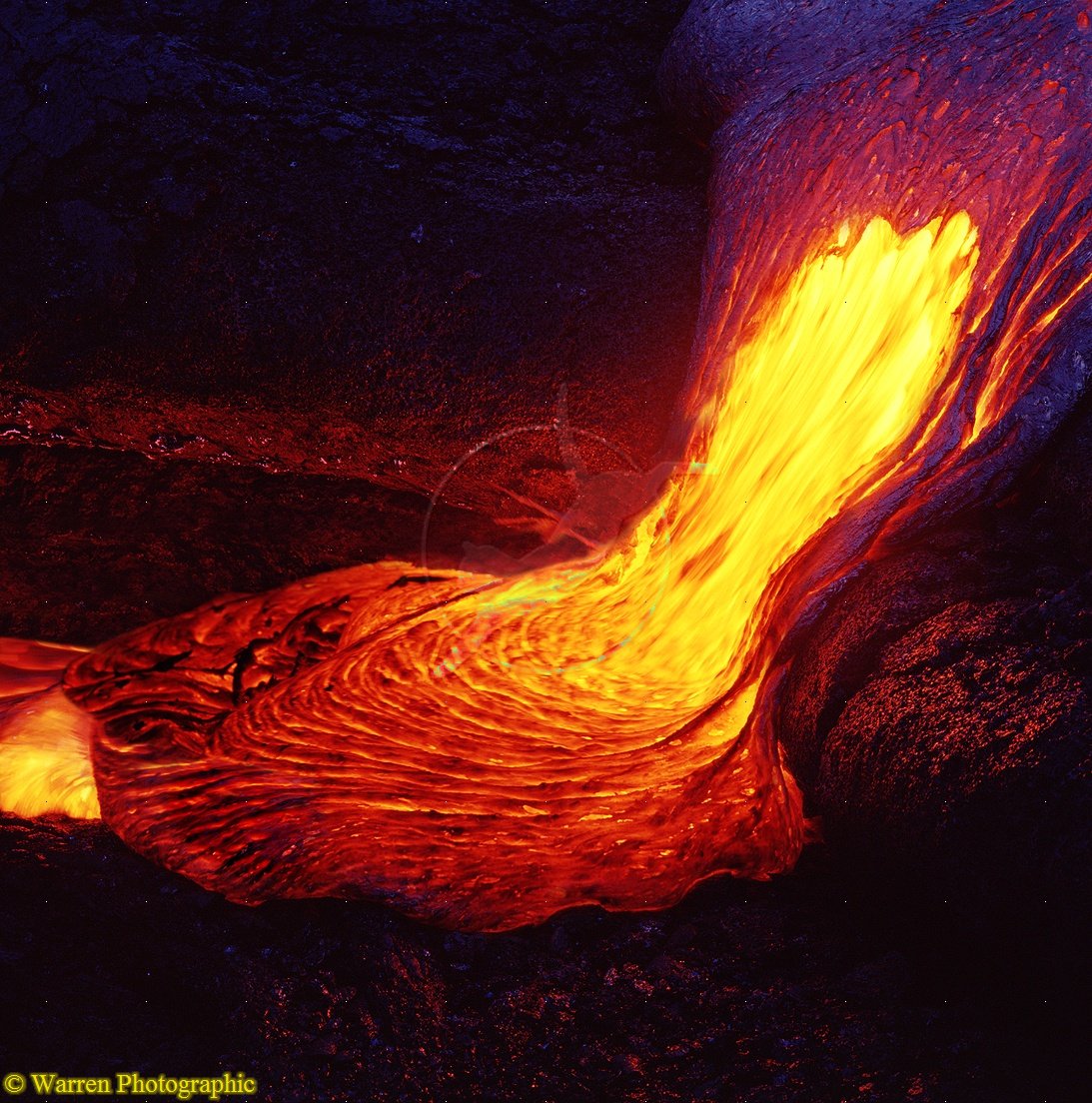
Molten lava, gold and red, coursing richly over dark rocks. An aristocratic cavalry officer’s perfectly oiled, brown leather boots, gleaming with scented oils of honey and rose. The richest amber and the darkest honey, intertwined in a kiss.

Source: Warren Photographic at WarrenPhotographic.co.uk

Source: Warren Photographic at WarrenPhotographic.co.uk

Those are the images which come to mind when I try “M” from Puredistance, a niche luxury house whose exclusive (and very costly) perfumes are made by Master Perfumers in London and New York. Puredistance M, as it is known, has an added cache: it’s made by the great Roja Dove himself.

Roja Dove. Source: The Glass Magazine.

Roja Dove. Source: The Glass Magazine.

Roja Dove is the only man in the world who bears the title, Professeur du Parfum. His legendary nose is said to be able to detect over 800 perfumes from a mere sniff. After working for almost twenty years for Guerlain, he left to pursue his own ventures which include the speciality boutique within a boutique at Harrod’s called Roja Dove Haute Parfumerie.

Roja Dove Haute Parfumerie.

Roja Dove Haute Parfumerie.

He also creates his own perfumes — some of the most highly acclaimed and admired in the world. A few years ago, he collaborated with Puredistance , a company whose perfumes typify the luxury and richness associated with his own fragrances. Each Puredistance perfume is an extrait de parfum blended at a whopping 25-32% concentration and filled with the finest perfume oils. Puredistance M for Men and Women (sometimes written as PuredistanceM) is no exception.

Puredistance-Packshot-M-01-HRReleased in 2010, Puredistance M is technically categorized on Fragrantica and elsewhere as a unisex leather perfume. All the talk about leather led me to expect a hardcore leather scent — which I’m very wary of —  so I was surprised to find “M” to be a glorious lovechild of an oakmoss chypre and an oriental that merely happened to have leather undertones. I was also relieved to see Puredistance’s own description for the perfume state pretty much the same thing:

M is inspired by the stylish comforts of the interior of a grey Aston Martin. M is a leather
chypre of classic proportions… with an unexpected oriental twist, which lends the perfume an original and modern feel.Puredistance-Metal-Perfume-Spray-Cap-01-HR

The warm smoothness of the blend is incomparable. The composition purrs softly along, weaving the leather accord into the road-map of spices, woods and resins. The chic, sensual and comforting trip takes the wearer from the leathery start to the softly-smoldering woody, balsamic base via the delicately earthy heart.

Enveloping and comforting as it is, M, with its elegantly smoky leather, has a hint of excitement and danger, which is just how it should be, in a fragrance inspired by Bond’s car.

Ingredients: Bergamot, Lemon, Rose, Jasmine, Cinnamon, Patchouli, Mosses, Cistus [Labdanum], Vetiver, Vanilla, Leather, Musk.

Puredistance M opens on my skin with a rich, unctuous, baroque mix of dark rose, labdanum, leather, jasmine, musk and a subtle dash of citrus. There is the swirling aura of leather all around, but it’s almost ephemeral at this point and nothing distinct. And, yet, there is also the faint impression of a barnyard that pops up, only to flit away after two minutes.

Rose Petal Honey. Source: Gardenista.com. (Click on photo for the website which has a DIY recipe for rose-infused honey.)

Rose Petal Honey. Source: Gardenista.com. (Click on photo for the website which has a DIY recipe for rose-infused honey.)

The rose is rich, dark, beefy and meaty; it is also slathered with the darkest honey you can imagine. The sweetness tames any zestiness of the citrus note, rendering it sweet, not sharp. There is a noticeable backdrop of oakmoss but, unlike many chypres, it is never fusty, musty or dusty. Instead of being pungently dry, the mosses are sweetened by the honey notes from the labdanum resin — it’s absolutely glorious.

Interestingly, the second time I tested Puredistance M, the oakmoss was even less noticeable in the start. Same with the citrus notes. Instead, the predominant impression was a panoply of honeyed beeswax, rich roses, dark honey and cinnamon. In fact, honeyed beeswax is such a persistent part of this perfume on both occasions that I wore it that I am convinced it is one of the hidden ingredients, along with cloves and a smidgen of cumin. I am also convinced that Puredistance is one of those perfectly blended perfumes which will reveal different facets each time you wear it.

Source: FilterForge.com

Molten Lava. Source: FilterForge.com

The combination of notes — on both occasions — lead to an overwhelming impression of molten lava: a fiery river of honeyed labdanum turned burnished red from spices and roses. The labdanum is so rich that, at times, it has a faintly burnt quality to it. In fact, during my first test, there was an impression almost of burnt wax. The predominant note, however, is of a very balsam-like resin that is as dark as possible; it’s unctuous, opaque and thick. It’s hard to describe what labdanum smells like to someone who has never smelled it but, at its core, it is far more than just an amber-y smell. It takes honey to a depth that is almost unimaginably medieval in its complex, burnished richness. At the same time, it has a subtle, almost dirty, nutty, slightly leathered edge that is never animalic but which definitely turns the whole thing into something more masculine and musky than actual honey. I love labdanum and it is the fiercely beating heart to Puredistance M, evident from start to finish, in the richest way possible.

About fifteen minutes in, the leather starts to appear. It has the feel of darkly brown, softly caramelized aged leather. There is a subtle, earthy feel to it that I suspect comes from the underpinnings of the vetiver which is never a really detectable note, in and of itself, but which is a quiet thread in the overall tapestry. I know the perfume is meant to evoke the leather seats of a luxury car and, for most people, Puredistance M does exactly that. For me, however, I imagine an aristocratic cavalry officer’s well-worn riding boots, tended to lovingly with a mix of beeswax and oils tinged with rose, honey and jasmine.

Royal Household Cavalry - HouseandCountry dot tv

This is really the smell that I expected from Chanel‘s legendary Cuir de Russie which was inspired by Tsarist imperial officers and the Russian treatment of birch leather. Instead, on my skin, Cuir de Russie was all horse feces under a heavy pile of soap. I’m in a very distinct minority on that point, but the disappointment remains the same. No Cossacks, no Imperial Grand Dukes, no passionate sensuality evoking Coco Chanel’s love affair and, most of all, no smooth, aristocratic leather.

Young Winston Churchill in uniform. Source: Imgur.com

Young Winston Churchill in uniform. Source: Imgur.com

With Puredistance M, however, the leather is pure elegance. It feels screamingly rich, covered with cognac, warmed by honey, and reddened by quiet spices. The latter start to become more evident  about thirty minutes in. Cinnamon is the most obvious note, but there is also the merest touch of cumin. It’s not the sort of sweaty-smelling cumin; it’s simply dry and a little bit earthy. I’m convinced there are also big dollops of cloves in Puredistance M, adding a little bit of fiery heat to the sweet honey and resinous labdanum.

The floral and musk accord also become more noticeable around this time. The musk is not skanky, sour, or redolent of personal intimacies. Nor is it even remotely animalic. Instead, it is quietly intertwined with the rose and the increasingly evident jasmine notes for a combination that is narcotically heady and extremely rich.

An hour in, to my surprise, Puredistance M changes quite drastically. First, it becomes significantly less opaque and thick, though it is still very strong and heady. Second, it turns from a floral oakmoss chypre with oriental elements into something that, to me, is purely orientalist in nature. The oakmoss was always a subtly blended accord in the opening, intertwined perfectly with the other notes but never dominating. Now, however, it is completely overshadowed by the growing impression of honeyed beeswax with spices and cinnamon-tinged vanilla. The floral notes are still there, however, including the increasingly noticeable jasmine note mixed with a slightly sweet dose of patchouli. Lastly, the sillage has dropped quite substantially. Where Puredistance M was evident from a few feet away in the first hour (at least, when you put on a decent-sized amount), it is now hovering just a foot above the skin.

Vintage bottle and box of Bel Ami.

Vintage bottle and box of Bel Ami.

In this first ninety minutes and during the opening stage, Puredistance M strongly reminded me of Hermès‘ classic Bel Ami in its vintage form. Bel Ami is a scent I grew up with and loved, so while I haven’t smelled it in years, it was the first thing on my mind in the opening hour of Puredistance M. In fact, I’ve read that Bel Ami is one of Roja Dove’s favorite fragrances.

Unsurprisingly, therefore, vintage Bel Ami is the scent to which most people compare Puredistance M, suggesting that you save your money on the latter and buy the Hermès instead. I don’t necessarily agree. Even if we consider the much stronger, more potent vintage version of Bel Ami (as compared to its current reformulated self), Puredistance M is still significantly richer, darker and denser, with much more labdanum and far less citrus influences. Plus, based on my memories of Bel Ami, it only explains the first ninety minutes of Puredistance and certainly doesn’t fit with its remaining development. Because, you see, at the start of the second hour, the perfume changes again and now, it is almost a dead ringer for Serge LutensCuir Mauresque!

I recently reviewed and loved Cuir Mauresque, so I was quite stunned to find its middle notes replicated here in Puredistance’s similar stage. There are differences in the notes in each perfume and Puredistance significantly lacks the animalic civet of the Lutens but, on my skin, the middle stages for both perfumes was musky jasmine, honey, and resined amber. The burnt styrax in the Lutens is mimicked here by the occasionally burnt aspect to the different sort of resinous amber, the labdanum, and both scents share a subtle, sometimes imperceptible hint of cumin and cloves — all supported on the subtle base of leather. It helps that the Lutens was never very animalic or dirty on my skin because the civet was never strong. Here, however, the real link between the two fragrances is the jasmine, musk and dark amber combination. With the oakmoss having vanished in the second hour, Puredistance has turned into a seductive floral oriental.

Bees on beeswax. Source: McDanielHoneyFarm.com

Bees on beeswax. Source: McDanielHoneyFarm.com

The final stage of Puredistance M is very simple and is no longer anything close to Cuir Mauresque. The dry-down consists almost entirely of dark, dirty labdanum amber; rich honey and beeswax; and a hint of musky vanilla hovering underneath. The amber accord is tinged by the merest breath of something earthy, but it’s as light as a feather. In its very final hour, Puredistance M evoked pure honey and nothing more. At no time in its development were some of Puredistance’s more earthy notes dominant players; both the vetiver and patchouli added some underlying support but they were barely noticeable in their own right. There was no dirtiness or rooty darkness to the scent, and never anything animalic to the leather.

Interestingly, for a perfume with such strong notes, the sillage on Puredistance was not enormous. It was evident from a few feet away for the first hour, then dropped dramatically. By the second hour, the scent hovered half a foot away from the skin. Thereafter, it became very close and you’d have to be nuzzling someone’s neck to detect it.

The sweetness and spices make Puredistance the least “butch” leather that I have ever encountered. When you throw in the prominant florals, it also becomes one of the most unisex leathers. This is nothing like the stony, cold, black leather that I experienced with Montale‘s Aoud Cuir d’Arabie or the barnyard leather of Chanel‘s Cuir de Russie. It’s also far from the bitter, green, harshness of the butch legend, Bandit by Robert Piguet, which I admired and found most intriguing but which, in hindsight, is simply too brutal for me. It certainly is not remotely close to Tom of Finland by Etat Libre d’Orange which wasn’t even leather on my skin but, rather, powdered, vanilla suede.

Puredistance M is an absolutely marvelous scent, but its steep price is enough to give one the vapors. A miniscule 17.5 ml/ 0.59 fl. oz sized spray (essentially, a travel-sized mini) is a whopping $198. The full 100 ml/ 3.4 fl oz. bottle? A stunning $590! On Luckyscent (where, to my astonishment, that $600 bottle is sold out), one reviewer makes this observation about the scent and the price:

When people say that M makes everything else obsolete, I am afraid that is very close to the truth. From the very first whiff till it fades away (up to 24 hours later), this is an experience of constant astonishment. And just as much – constant, giddy delight. Of course, I will still wear other favorites. But M inhabits that rarified air of very few others – Gobin Daude Nuit Desert and Guerlain Derby come to mind (in terms of quality, not scent). The price is initially off-putting, but the 18ml bottle is easily the equivalent of many 100ml edp’s. The very tiniest little drop last all day, into the night, and into the next morning. Like I said, constant astonishment. This is the real deal.

I don’t agree. I used far more than the tiniest little drop to test the perfume the first time around. When, on the second test, I used the smallest possible amount, the perfume faded away in sillage quite quickly, demonstrated far less complexity, and also lasted far time. On neither occasion did Puredistance M last 24 hours. That said, when I used the equivalent of one large spray, the scent lasted about 11 hours — and I should bloody well hope so for something that is concentrated extrait de parfum! But, again, it was hardly a drop, so I hardly think that the 17.5 ml bottle is “the equivalent” of many 100 ml full bottles of eau de parfum. Nonetheless, on skin which is less voracious than mine, I think the $198 travel mini might be a good compromise if you really love the scent.

[UPDATE – 3/26/13: The perfume, along with all the other fragrances in the Puredistance line is now available in a much more affordable pricing scheme. All four scents now come in a 60 ml bottle of pure parfum extract that costs $330 or €275. For the concentration and size, that is a much, much more accessible deal. You can find the new bottles on the company’s website at the link listed below in the “Details.”]

On Fragrantica, one commentator says simply to buy Bel Ami and to save your money, but I don’t fully agree with that either. Even if you buy vintage Bel Ami on eBay (where I recently saw a bottle starting at around $65), Puredistance M is a much richer affair. Though I can’t remember Bel Ami’s dry-down after all these years, what I do remember is a much more citrus-aromatic chypre which turns into leather that is nothing as sweetly resinous or honeyed as Puredistance M. A review of Bel Ami’s notes on Fragrantica supports that impression: there is no labdanum, not a lot of resin, and those amber notes which are present do not seem to be the driving heart of the perfume according to people’s votes of the main notes. Still, if that is the only financially practical alternative, then Bel Ami may be worth pursuing. (So long as you avoid the current reformulation and stick with vintage.)

My belief is that price is a very subjective thing and, if the quality is there, an outrageous price may well be worth it to a particular individual. For me, a full bottle of Puredistance M is well outside my means. To my cheapskate mind, it translates to five full bottles of Serge Lutens or Chanel. And the 0.5 oz/ 17.5 ml mini is similarly too expensive, given the microscopic size and what else I could buy. If, however, price were no object, I would absolutely buy Puredistance M. The “M” really stands for magnificent, molten masterpiece.

DETAILS:

Sample or Gift Set of four Puredistance parfums.

Sample or Gift Set of four Puredistance parfums.

Cost & Availability: Puredistance M is available in a variety of different sizes and forms on the Puredistance website. You can buy a 17.5 ml travel size spray for $198 or €168. The full bottle is 3.4 oz/ 100 ml and costs $590. [UPDATE: The perfume is now also available in a 60 ml bottle for $330 or €275.] However, you can also buy Puredistance M as part of a sample Gift Set of four Puredistance perfumes (I, Antonia, M and Opardu) with each sample being 2 ml. The whole set costs $59 and includes free shipping. Puredistance M is also available at Luckyscent in both the $198 travel size and the $590 full size, though the latter is sold out until the end of March (2013). Luckyscent also sells a 0.7 ml sample vial for $6. I obtained my sample from Surrender to Chance, where prices start at $3.99 for a miniscule 1/4 of ml vial, $7.98 for a 1/2 vial and $15.96 for 1 ml.

Perfume Review – Ormonde Jayne Tolu: A Perfect, Lovely Paradox

Paradox: (noun) A seemingly absurb or self-contradictory statement that, when investigated, may well prove to be true. Tolu, from the luxe niche London house of OJ ToluOrmonde Jayne, is a paradox in the most mesmerizing way possible. It is an airy, breezy, narcotically heady, heavy, dewy green, freshly orange floral… no, I mean, lushly spicy amberous oriental, no, I mean, a woody, balsam and pine smoky floriental…  It is a contradiction that delights, that keeps your nose plastered to your arm, that awes you with its heady, airy opulence, and that recalls the happiest moments of carefree youth while making you feel every inch a sophisticated adult. It is intoxicating. And I cannot recommend it enough.

Linda Pilkington, founder of Ormande Jayne.

Linda Pilkington, founder of Ormonde Jayne.

Ormonde Jayne is a high-end, niche London perfume house founded by Linda Pilkington in 2002. She sounds like a fascinating woman. According to her biography on the website, her passion for perfumery began early, as a teenager, and this “led Linda to her first career, growing and selling flowers by the roadside outside her Cheshire family home. She also learnt to make scented candles and bathing oils from craft sets and courses, and created beautiful scented cushions for birthday and Christmas presents.” After years spent travelling and exploring the world, working in places from South America, Africa and the Far East, soy bean farms to ice cream parlours, she returned to London where she began making her own perfumes. She showed her creations at a London trade show where she won repeatedly. And then she was asked to make “the perfect, scented candle” for Chanel itself. After that, in 2002, she opened her own boutique and her perfumes have received praise ever since, including a number of 5- and 4-star reviews from Luca Turin.

Ormonde Jayne’s philosophy is simple:

one of quality and true luxury, the pursuit of beauty and elegance. Our perfume library reposes on an exquisitely simple principle – extraordinarily beautiful scents using speciality oils not widely used in the perfume industry today.

Her goal is to return

to the golden age of perfumery, an elegant era when fragrance creation was a fine art, when essential oils and absolutes were allowed to infuse for a period of months before filtration and then allowed to mature again before bottling, resulting in a deeper, more complex perfume.

Honestly, I cannot recall the last time I was so impressed with a niche house upon my very first sniff, and I plan to investigate her whole line, sample by sample. My first exposure to Frederic Malle, Serge Lutens, Amouage, L’Artisan, Tom Ford, By Kilian, Caron, Montale, and a whole host of other lines never resulted in anything like this. My reactions to those houses varied from indifference to ambivalence, from liking to loving (but not feeling utterly compelled to buy), to truly not understanding what all the fuss was about. Ormonde Jayne is different. It’s not simply that Tolu was bewitching, but that the perfume smells unbelievably luxurious and rich in that genuinely old-school, classique manner of the haute French perfume houses of yesteryear. THIS is what perfumes used to be, almost across the board, and what they are so rarely today.

This is class. It is class, purity, and luxury made simple but, yet, also made fresh and modern at the same time. It’s like smelling the vintage version of some great classic, but made even better. No wonder Luca Turin seems to think that Ormonde Jayne is beating Caron and Guerlain at their own game. I hadn’t believed him when I read that statement a while back and, in truth, I don’t always agree with Mr. Turin, but dammit, he’s absolutely correct in this instance. “Tolu is the kind of fragrance Guerlain or Caron would be turning out regularly if all was right in the world[.]”

If I ever met Ms. Pilkington, I would hug her for returning some of my wide-eyed innocence and belief, after feeling far too long jaded, cynical and oh so depressed at the current state of perfumes in this IFRA-infected world. I would also hug her for her blunt statement in a 2010 interview with the Perfume Shrine that she will never reformulate her perfumes, allergies be damned! “No, we haven’t reformulated anything. I never will. Nor discontinue any in our fragrance rotation. We have 12 fragrances now and I absolutely love each and every one of them. I don’t want to make any changes!” When asked what she would say to a customer asking about allergic reactions, her response was:

I say “If you think madame that it might be give you any risk of an allergic reaction, it would be best if you didn’t buy this perfume”. We talk over some of the ingredients (if the customer knows about any specific trigger or if we think there might be some) and I say “just don’t buy it”. In the end, I don’t give a f*ck if they buy or not, as long as we’re stand our ground and do not mislead. *laughing*

Fascinating as Ms. Pilkington is, nothing is more so than Tolu. I’m hard-pressed not to summarize my entire review in one word: heaven! But, in an attempt to make you understand why I am so thrilled (and why I had to keep stopping writing to sniff my arms), let me tell you more about the scent itself. According to Fragrantica (where it has nary a single bad review), Tolu is classified as a Woody Oriental. (I think there should be a new category entitled “Perfect Paradox.”) It is technically a woman’s eau de parfum, though I think a man could pull this off, especially during the dry-down.

Ormonde Jayne’s website states:

Perfume treasure, this opulent velvety formulation with pure Tolu resin [a Peruvian tree resin] takes you on a sensual Oriental journey. Laced with golden frankincense and amber, the scent’s core is enveloped with a heady mix of orange blossom and clary sage, while intense citrus notes consolidate the harmony.

Top Notes: Juniper berry, orange blossom and clary sage
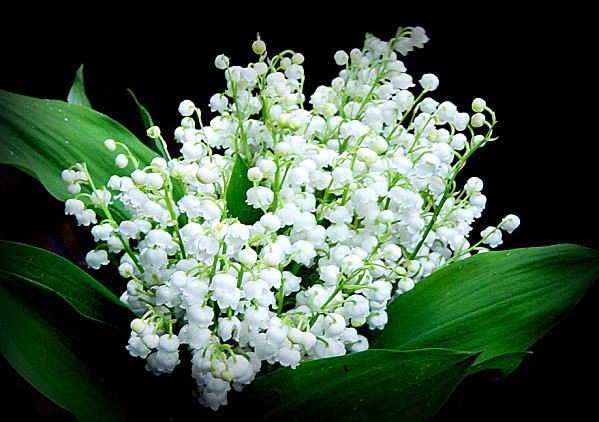
Heart Notes: Orchid, Moroccan rose and muguet [lily-of-the-valley]
Base Notes: Tolu, tonka bean, golden frankincense and amber.

You know those word association games? I put on Tolu and the very first word that shoots across my brain is “Enchanting!” In fact, that is the first thing I jotted down. There is warm, billowing blanket of orange blossom which immediately rolls onto thenerolifruitandflowersb skin. It’s not screechy, sharp and overpoweringly cloying like Tom Ford‘s Neroli Portofino, nor is it overly sweet like many synthetic orange scents. It’s also not light and imperceptible like the orange in a few niche perfumes. It’s heady in a soft way, and is one of the brightest, freshest orange blossom scents I’ve smelled in a long time. The sillage is also powerful, which makes me ecstatic as, far too often for my liking, orange blossom is merely a faint hint amongst many supporting notes. Not here. It is the star, stage center, with the brightest lights shining on it.

mimosa-flower-200x300

Mimosa in the South of France.

I must confess at the outset that I have a monumental weakness for orange blossom that supercedes many other ingredients or notes that I love. And the orange blossom here reminds me strongly of the oils or essences used in my favorite body cream, Couvent de Minimes Orange Blossom. Here, as there, there is a purity to the scent that makes it clear that real oils were used in the product. It calls to mind my childhood in Cannes with visits to Provence; I am immediately transported back to my old home at the end of Spring. Summer is around the corner, and there is a vast sea of orange trees in bloom along side golden mimosas bushes swaying in the wind under blue skies that are neither hazy with heat nor pale eggshell blue from the winter. The orange is intoxicating, narcotic and, yet, so airy at the same time that it feels like fizzy champagne in an odd way. It’s been only 15 minutes and, yet, I ponder currency exchanges in my head and whether my bank account can afford an immediate purchase, while the sane part of my brain pleads to wait out the full development of the perfume before acting rashly.

ijunipe001p4

Juniper berries.

Thirty minutes in, a faintly smoky warmth starts to creep in. Amber that is rich, almost nutty, and with a faint hint of smoke from incense. Oddly, the scent on one arm is very different from that on the other where I smell no amber at all but, rather, crisp pine needles and balsam. It must come from the juniper berries listed in the top notes, and it is fresh, bright and rich — as if plucked just moments before from living trees growing on the high reaches of the snowy Alps. Clearly, some extremely expensive oils must have been used because at no time does it smell sharp, synthetic, or like the common air-freshener sort of pine in some perfumes. On both arms, the orange blossoms seem to have receded momentarily, as if to make way for the fresh, woody pines and amber, but it is just for a moment. The orange blossom is not only the quietly solid foundation upon which other notes rest, but a permanent part of this opening stage.

Soon, the juniper recedes and the flowers return. As always, there is the rich top head of orange blossom but there are other accompanying notes, too, even if they are but supporting players on the stage. There is also orchid and lily-of-the-valley. Orchid is a hard scent to describe, or even to classify, as it can smell of a variety of different things, depending on type. To me, white orchids can sometimes evoke the light purple impression of lilac and hyacinth, but in an oddly earthy way. That is the way the orchid seems to smell here. Lily-of-the-valley (or muguet) smells somewhat similar to my nose, bouquet-de-muguetwithout the earthy richness. The Perfume Shrine describes lily-of-the-valley as follows:

Lily of the valley is technically a green floral with rosy-lemony nuance [which] … has been adequately used in classical fragrances as a catalyst to “open up” and freshen the bouquet of the other floral essences in the heart, much like we allow fresh air to come in contact with an uncorked red wine to let it “breathe” and bring out its best.

To me, however, lily-of-the-valley is a light, fresh floral note that smells almost like a green, lilac-hyacinth hybrid. Here, it counters the headiness of the orange blossom with freshness that is dewy and ethereally light. It is almost sheer, and yet, it has depth and richness. The note makes Tolu, in these very early stages, call to mind the delicacy of Dior‘s Diorissimo, a very lily-of-the-valley scent.

Thus far, Tolu has leaned far more towards a floral scent than an oriental, let alone a spicy woody one. There are amber notes which flicker back and forth, but, for the first two hours, I have the reverse experience of what some people report. I don’t get spice right off the bat at all. There is the Diorissimo resemblance from the lily-of-the-valley, along with some rose and the hyacinth-like notes of orchid. And all of this is within the warm haze of orange blossom. The latter is something which projects outwards, while the other scents are closer to the skin, almost as if they were inside a big, airy, orange coccoon.

I can now smell the clary sage, but never think that it is the same sort of sage that you use in cooking. According to a helpful discussion on Basenotes, clary sage is nothing like regular (Dalmatian) sage that you have in your herb rack. It is sweeter, fresher and with a hint of peppermint, while Dalmatian sage is more bitter, biting and aromatic. Clary sage is also said to have elements of lavender in its odor profile and, sometimes, even of green tea. Here, it adds to the impression of freshness and lightness in Tolu, while also adding a faintly minty, sweet note that cuts through some of the richness of the orange blossom. It’s almost as if a faintly minty lavender note has joined those orange blossoms and dewy, green flowers, but it’s so light that I wonder if I imagine it at times.

That lightness, along with much of the airiness in Tolu, brings me to one of the perfume’s several lovely contradictions. It is airy and light, while narcotically heady and heavy. I realise that I’m not making much sense. It is the ultimate example of a paradox and really requires that you test out this scent yourself to understand it. The best way I can explain it is that there are two polar opposite groups of scents here. The first is the dewy, fresh, green, spring-like notes: lily-of-the-valley; white orchid; lavender-y and minty clary sage; and then, lilac and hyacinth (though they are not listed as ingredients, their smell is there to me). It flashes colours of white, lavender, soft lilac and bright green, all in a soft, airy light of the dawn’s first dew. The second competing group is the scent of just one thing: orange blossoms. Narcotically heavy, almost inducing an obsessive inability to resist sniffing my arm, triggering an utter delirium of joy amidst the flashing colours of bright orange at the heart of noon. It is a paradox, yes, but it is also a sign of a masterful hand. I contemplate why I only smelled Tolu after Christmas, and not before when it would have been at the very top of my wish list.

An hour in, rich vanilla starts to appear. It’s creamy, not powdery, and smells faintly like a rich, banana custard. It almost makes me think of ylang-ylang but there is no such ingredient in Tolu. Some people on Fragrantica have referenced an oriental milky rice note, but I think the accord is far richer and heavier than the light sort of milky rice note I associate with scents like Kenzo‘s Amour line. I think the issue here is the combination of tonka bean and tolu balsam. Tonka bean smells of vanilla, while tolu balsam is a tree resin. Unlike benzoin, another resin, tolu balsam has a nutty, sometimes almond-like accord to accompany its vanilla and cinnamon heart. (You can read more about tolu balsam and other resins in the Glossary.) It has a greater richness and depth than the often powdery benzoin accord.

Soon, tolu balsam’s soft, lush, warm vanilla notes are joined by spice and smoke. I smell rich frankincense, but it is not peppery or dirty. The vanilla from the tonka bean and its accompanying powder notes soften the blunt edges of the frankincense, turning the latter into a light swirl of black smoke, rather than a heavy darkness. The rich resins and the myrrh create an impression of caramel and amber, but touched with a woody pine accord.

Three hours in, and all the way to the end of its dry-down at hour seven, Tolu is all incense, vanilla, honeyed amber and caramel, with a hint of pine. The subtle smoke and incense are gorgeous, as is the surprising earthiness that contradicts the velvety softness underlying the sweet scent. That said, for me, the dry-down never really progresses much beyond the panoply of resinous notes. It’s lovely, rich and soft, but I preferred those hypnotic opening and middle notes. (It’s hardly surprising given my passion for orange blossom.)

All in all, this is an utterly luxurious, captivating scent. It doesn’t perform twists of complexity, doesn’t have suddenly crazy notes popping in at a random stage, doesn’t try to shock you with something edgily disturbing, and doesn’t do anything other than the promise Ormonde Jayne made at the outset: “one of quality and true luxury, the pursuit of beauty and elegance.” It is a perfume that I have to have. It is a scent that will make me join the legion of admirers on Fragrantica who repeat “gorgeous,” “sophisticated,” and “classy” like a broken record. It smells of wealth and luxury; the sunny South of France interposed with the pine-covered snowy Alps of Gstaad, and the smoke of the Orient. It is a paradox wrapped in opulence, but it enchants you from the very first whiff. And it is utterly perfect.

DETAILS:
Sillage & Longevity: Enormous sillage for the first three hours, then closer to the skin. However, on others, the projection is reported to last even longer. As for longevity, it was quite good, though as always you have to keep in mind that my body consumes perfume. On me, I could smell traces of it on my arm seven hours after putting it on. It was soft, but it was there. On others, the longevity is reported to be enormous.
Cost & Availability: The fragrance is available in perfume extract (30%) and eau de parfum (25%) in 50 ml flacon. Tolu is available at the Ormonde Jayne store in London, at Harrods in London, Fortum & Mason, or on Ormonde Jayne’s website. It is not sold in any department stores in the U.S. The website offers purchases in USD currency and, until January 14th, 2013, all shipping is complimentary with a hand-poured candle is offered as a free gift. The website’s page for purchases in US dollar lists the costs of Tolu as follows: a 1.7 oz/50 ml bottle of eau de parfum costs $126, while the pure parfum comes in a 1.7 oz/50 ml “premium French flacon with a gold OJ motif stopper and Japanese ribbons” and costs $300. There is a set of travel sized purse sprays (4 x 10ml) that costs $100 and a Discovery set of all 12 fragrances in 2 ml mini-sprays for $75. The latter is described as follows: “Ormonde Jayne’s Discovery Set is comprised of 12 x 2ml mini sprays of eau de parfum, together with a brochure explaining each perfume, all housed in a black and gold box… and whats more, the shipping is complimentary worldwide.” Tolu is also available in different bath, lotion, cream and candle forms. Harrods sells a 50 ml/1.7 oz bottle of Tolu for £80.00. Ormonde Jayne fragrances are also sold in Brussels, Belgium at Senteurs d’Ailleurs and at Osswald in Zurich, Switzerland.
Samples: You can also order samples of Tolu from various sample sites. The one I use, Surrender to Chance, sells samples starting at $3.99 for half of the standard 1 ml vial. Surrender to Chance ships worldwide for about $5.95 (though it’s a little bit more for larger orders over $75), and for $2.95 for all orders within the U.S., regardless of the size of the order.