Tableau de Parfums/Andy Tauer Loretta

Collaborations across different art forms and platforms are always intriguing. I think it is even more so when two different artists use the same source of inspiration to create works in two different mediums. Tableau de Parfums is one such collaboration, consisting of a perfume and movie pairing between the Swiss perfumer, Andy Tauer, and the American, Memphis-based, indie filmmaker, Brian Pera (who is also a perfume blogger at I Smell Therefore I Am).

Source: Tauerperfumes.com

Source: Tauerperfumes.com

There are three Tableau perfumes (Miriam, Loretta, and Ingrid) and, as the Tableau Parfums website at Evelyn Avenue explains, each one is an olfactory portrait “inspired by the films of Pera’s ongoing series, Woman’s Picture.” According to the website, “Woman’s Picture is an anthology film inspired by classic women’s films of the thirties, forties, and fifties. The story is divided into three sections, each of which presents a portrait of a specific female character.” The Miriam perfume is supposed to be quite heavily aldehydic, so I eschewed that one, and opted for Loretta which is an eau de parfum released in 2012 and which is supposed to be centered around tuberose. It’s my favorite flower, but the fragrance also has orange blossom (another winner in my book), ambergris, and other appealing notes.

Loretta‘s cinematographic tale is about a young woman by that same name who works in a motel. It comes in three parts, two of which are posted here. As Fragrantica summarizes: “She is shy and withdrawn, but creates her own life in a fantasy world where she danced and falls in love with a man. She is sensual, sexy and seductive, but she has a secretive dark side.” The reason why that’s important is because of the way the perfume is intended to reflect her light and dark sides. According to the press release quoted by Now Smell This:

Like the film, Loretta the fragrance explores the way fantasy and reality inform each other in an interplay of light and dark impulses and energies. In the film, the character of Loretta, played by Amy LaVere, deals with a difficult, mysterious past by transforming it into a dream world of possibility and romantic adventure. The balance between the past and her fantastic reinvention of it is delicate, fraught with tensions, where childlike naivete and adult awareness twist and curl into increasingly complex sensual patterns. Fragrance becomes an important gateway into this transformed world.

Andy Tauer on Loretta: “Loretta is an incredibly sensual and erotic story, in which a daydream world becomes a powerful, seductive reality. In Loretta’s world there is music, dance, romantic intimacy, soft light and a natural, childlike shyness confronted with somewhat dark, adult realities. Loretta’s flower is tuberose, and I wanted this fragrance to be as dark and mysterious, as opulent and seductive as her reveries themselves.”

It all sounds fascinating and intriguing, doesn’t it? Alas, I did not share Loretta’s adventures with the fragrance, not even remotely, which is a sad disappointment given the story, the tantalizingly dark aspects to the short films, and the wonderful notes in the fragrance. Those notes, as compiled from Luckyscent, Fragrantica, that press release, and The Perfumed Court, include:

ripe dark fruit, velvet rose, cinnamon, clove, coriander, spicy tuberose, orange blossom,  patchouli, woody notes, ambergris, leather, vanilla, and sweetened orris root.

Source: Boston.com

Source: Boston.com

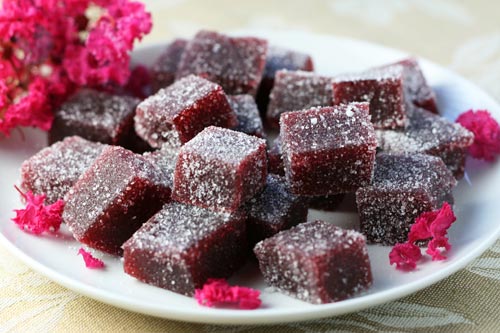
Loretta opens on my skin with an explosion of grape juice that smells exactly like the American brand, Welch’s, in concentrated form. It’s as though a thousand kilos of Concord grape have been distilled down with about a gallon of sugar into a treacly syrup. There are lots of perfume explanations for the aroma, from the use of methyl anthranilate that occurs naturally in tuberose, to the amplifying effect of the dark fruits like plum. I’m sure the use of fruited patchouli had some indirect effect on the combination as well. Either way, I’m not a fan, and it doesn’t make me happy how prominent the grape juice accord is for a vast portion of the perfume’s lifespan.
Source: tastefood.info

Source: tastefood.info

In the immediate seconds after that unbelievably sweet burst of grapes, other notes are introduced. There are candied dark fruits, led by plum, and covered with more sugar, followed by coriander, some amorphous dark notes, and hints of cinnamon. A very hesitant orange blossom peeks her head through the curtains, along with touches of vetiver and sugared orris root, but all three remain on the sidelines for fear that they’ll be plowed down by the stampede of grape and crystallized dark fruits. Have I mentioned sugar yet? God, it seems to be seeping out from so many different corners! Take the orris root which is where one commonly gets the approximation of an iris smell. Here, on my skin, the note doesn’t smell so much of the flower, but of some sugared root. There is also a vague hint of some darkened, aged leather lurking about, but that too is sweetened. It’s simply too, too much for me.

Hovering all around is a wafting floral bouquet. It never feels like tuberose in the traditional sense, and it’s not like typical orange blossom or rose, either. In fact, it’s simply an abstract floral sweetness without much shape, delineation, or substance. It simply smells fruited and cloyingly sweet. (Have I discussed sugar, lately?)

Thirty minutes in, Loretta shifts a little. The leathery undertones temporarily become more prominent, along with amorphous, abstract woody notes and the blasted ISO E Super that Mr. Tauer loves so much. The latter isn’t overwhelming though, nor particularly strong, and it certainly isn’t medicinal in any way. Frankly, I think the reason why it doesn’t smell very noticeable is because not even that synthetic horror can compete with the saccharine grape juice and its bulldozer effect upon everything in its path.

While the perfume is getting a little darker on some levels, it’s also getting a little lighter on other ones. There is the subtle introduction of a powdery element that smells both vaguely floral in nature and slightly vanillic. Lurking underneath is a jarring hint of something that really resembles cooked celery to my nose. Perhaps it is the result of the combination of the vetiver with coriander, orris, and leather, but there is a definite vegetal quality in the base. Alongside it is a faintly sour nuance underlying the fragrance’s woodiness, but the latter is so vague, it’s hard to really analyze.

Source: LTphotographs Etsy store. (Website link embedded within photo.)

Source: LTphotographs Etsy store. (Website link embedded within photo.)

At the 90-minute mark, the notes blur, the perfume falls flat, and starts to feel thin. Loretta is still primarily a grape floral with dark fruits and increasingly soft spices, but the patchouli starts to feel more prominent. It doesn’t feel dark, dirty, and chewy like black patchouli, but it’s not wholly fruity and purple, either. Equally noticeable is the powder which is more sugared than anything akin to orris or makeup powder. In his blog entry about the making of Loretta, Mr. Tauer said he used benzyl acetate (a natural component of tuberose) to create a soft, sweet powdery note that lasts throughout the perfume’s development. He succeeded, because it does. Underneath all this are hints of something rooty, but they’re not distinguishable as either orris or vetiver. There are also whispers of darkened leather and vanilla flittering about, but they feel nebulous as well.
Source: theberry.com

Source: theberry.com

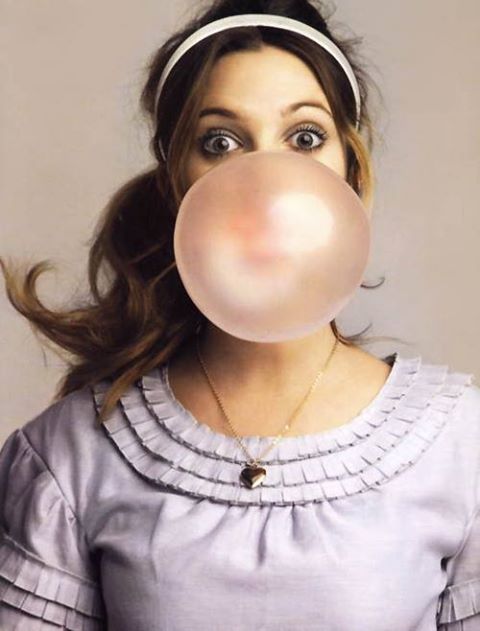
By the start of the 3rd hour, Loretta is an abstract, intangible, amorphous bouquet. The notes feel flat, muted, and vague. The fragrance itself hovers just an inch or two above the skin, though it is still very potent when sniffed up close. For the most part, Loretta is a candy, bubblegum floral, thanks to the overall combination of sweet powder, fruits, and flowers. It has little delineation or definition, and not a single bit of it feels like the woman in the tale with her dark side, her quiet eroticism, and her fantasies of seduction. To the extent that Loretta, the woman, had a “soft light and a natural, childlike shyness,” that part is covered, but the seductive, languidly fleshy, heady, opulent and erotic side of such indolic flowers as tuberose and orange blossom? There is not a whisper of it on my skin. I’m quite saddened, not only because of my love for both flowers, but because I know how much work went into the fragrance. Andy Tauer’s blog has a detailed perfume breakdown of what he did to the tuberose, and the other elements he used. All the “tuberose specials” that he talks about, along with the concentrated orange blossom absolute, somehow got lost in translation on my skin. I’m not alone in that, but we’ll get to other people’s experiences in a moment.

Juicy Fruit gumFor a long time, I was very confused as to why Fragrantica classified Loretta as a floral oriental, but things became clearer at the end of the fourth hour. Until that point, Loretta had gone from being a cloying, unbearably sweet, fruity scent with vague florals, to just plain, powdered Juicy Fruit with less sweetness and still vague florals. At the end of the fourth hour, however, Loretta veers sharply and abruptly into a whole new category when the amber rises to the surface. In less than an hour, it takes over completely. Loretta is now sweet powdered amber with a lingering trace of Juicy Fruit gum. There are hints of a jammy, patchouli-infused rose that pop up every now and then, but they’re fleeting and extremely muted. For the most part, Loretta is merely soft, hazy, sugar-powdered amber, and it remains that way until its dying moments when it is nothing more than powdered sweetness. All in all, it lasted Loretta lasted just shy of 11.5 hours on my skin. It had moderate sillage throughout most of its lifetime, though it was generally quite potent if you sniffed it up close for much of the first 7 hours.

I’m not the only person who found Loretta to be dominated by an incredibly sweet grape note and, to a lesser extent, sweet powder. The Scented Hound had the same reaction, and, like me, found the remaining notes to be hard to pull out from under the deluge. In his very diplomatic review, he wrote:

Loretta opens with candied tart sweetness.  It’s bright with just a tinge of sour.  Quickly it moves into grape soda.  Really???  Then quickly again, the grape soda is met with a light powder.  […] Thankfully, the grape soda is met with a bit of warmth that helps to anchor the sweetness.  The plum (which to me smells like grape soda) completely dominates and therefore makes it hard for me to pick out additional notes even though I know they’re there as the fragrance starts to even out.  Finally, Loretta settles down some to reveal a lightly sweetened patchouli woodiness tinged with a bit of what seems to be some coriander.  [¶]

Loretta confuses me.  I don’t hate her and I don’t love her and am struggling with when I would want to wear her. I keep reading about the tuberose in this, but that is completely escaping me.  Finally, besides grape soda, Loretta reminds me of what the penny candy aisle at the Ben Franklin store used to smell like.  Not for me, but I could see someone else digging this for its uniqueness.

On Fragrantica, there is more talk about the fragrance’s sweetness and oddness. To give just one example:

This smells to me as if I was carrying grape flavor Crush inside of a black leather pouch. It’s very weird and dissonant, like an orchestra tuning before a show.

I get a strong leather note, with a sweet plum and tuberose accord. Super strange perfume… it’s sweet, sweet, sweet, but in an airy kind of way that only orange blossom has. It’s also screechy and spicy. I’m reminded of extremely synthetic gummy candies and that’s fun. This is truly a scent for an original individual, I think, while being very sexy and confident. Who can pull this off!!?? It’s all over the place, colorful and confusing, but mesmerizing, like an acid trip. I keep on sniffing it and I get this highly enjoyable repulsion/attraction duality. I love that. 

Another trippy perfume that wears me instead of me wearing it… smells just like a purple gummy bear stuck to my black leather jacket. Fun times.

Others talk about how the fragrance smells of “spicy tutti-fruity” gum, sticky sweetness, a greasy oily nuance, or black rubber notes. One commentator finds that “the plum overtakes everything and with the other warm resinous notes it smells of decadence- overripe fruit right on the verge of rotting.” Well, I agree that Loretta has a tutti-fruitti gum note, but, for me, the scent is not “fun times” as stated in the quote above, and I can see why one reviewer finds it “unwearable.” Even apart from the fragrance’s nebulous haziness, I don’t want a weird “acid trip… repulsion/attraction duality” with “purple gummy bears” for $160 for a 1.7 oz bottle. I don’t mind very different, weird fragrances if they smell good, but a cloyingly sweet scent that makes me feel I just got three cavities is not my cup of tea at any price.   

Source: weheartit.com

Source: weheartit.com

My personal tastes notwithstanding, Loretta is not a bad fragrance, and I think it would be well suited for a young woman who is looking for something different, quirky, and playful. It’s definitely original and unconventional enough to venture into the “fun” category. In fact, I can see CosPlayers dressed up as Japanese anime characters enjoying the scent, or, perhaps, Lolita types. Whether they’d want to pay $160 for the experience, I have no idea. People who love extremely sweet fruity-florals, powdery sugar scents, or Welch’s grape juice may also want to give Loretta a sniff. For everyone else, especially men, I wouldn’t recommend Loretta.
DETAILS:
Cost & Availability: Loretta is an eau de parfum that comes in a 50 ml/1.7 oz bottle that costs $160 or €135, and which comes with a DVD and movie poster. Loretta also comes in a small 7 ml travel spray that costs $40. In the U.S.: you can buy Loretta from Luckyscent or Portland’s The Perfume House. However, neither Loretta nor Tableau de Parfums as a whole is listed on The Perfume House’s website. Outside the U.S.: In Europe, you can find Loretta at Germany’s First in Fragrance which sells the perfume for €135.00 and the travel size for €39. It too carries samples. In the UK, Scent & Sensibility carries Tableau de Parfums, and sells Loretta for £110.00. In Italy, you can find the fragrance at Milan’s Profumi Import, but I’m not clear about price or if they have an e-store. Tableau de Parfums fragrances are also sold at a handful of other locations in Europe, from Marie-Antoinette in Paris, to Switzerland and Lithuania. You can find that information on the company’s websiteSamples: I obtained my sample from The Perfumed Court, but I no longer see the fragrance listed on the website. The only available option is a Loretta Soap. Loretta is not sold at Surrender to Chance, so your best bet seems to be Luckyscent which sells samples for $4.

Perfume News: 2013 Fragrance Sales Figures, Revenue & Fragrance Markets

I’m always interested in the financial side of the fragrance industry, even though I sometimes can’t make heads or tails of the specific fine point and details. I recently found some numbers for a few of the corporate giants like Givaudan whose ingredients are often the building blocks for the perfumes we wear and whose perfumers create some of the many fine fragrances released each year. The numbers demonstrate something we already knew: traditional Western fragrance markets are weakening, and the future for many perfume companies lies in emerging markets. [Update: In 2014, I took a more in-depth look at a number of Western perfume markets, from Germany to the Netherlands, France, Italy and the UK, but also examined the Indian perfume industry and the Middle Eastern one. There is also a look at the revenue figures for various industry leaders like LVMH, Givaudan, and IFF. You can read all that at: The Global Fragrance Industry. There are also posts on the massive Brazilian market, the Chinese and Japanese ones, and a 2/2014 post on the U.S. market. In another 2014 post focused more on the niche market in the context of Frederic Malle, the second half talks about Estée Lauder, L’Oreal, Elizabeth Arden, Coty, and P&G.]

What’s interesting is that Latin America is one of those emerging markets, but the Asian one isn’t quite as strong as everyone may think. In fact, analytical reports from the Euromonitor indicate both the Chinese and Japanese perfume sectors are impacted by socio-cultural issues regarding fragrance use. Still, some of the numbers involved in terms of overall, global perfume sales and revenues are astronomical. Please note, however, that almost all of the articles below focus on the more established and significantly larger commercial fragrance market, not the niche one.

Continue reading

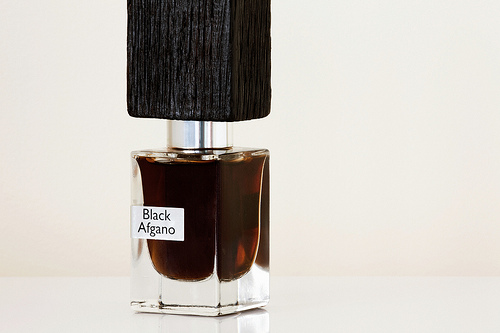
Nasomatto Black Afgano

Source: Nathan Branch.

Source: Nathan Branch.

I never thought I’d spend time researching hashish for a perfume blog, but it seems to be an unavoidable aspect of Black Afgano, the famous, slightly notorious fragrance from the Dutch niche house, Nasomatto. It’s a pure parfum that supposedly seeks to replicate the effects of hashish and, perhaps, even its actual smell. The whole thing is done in a very wink-wink, coy manner, right down to the perfume’s ingredients which are kept secret and which some jokingly claim include a little bit of the drug.

Some people aren’t joking about it, though, and they genuinely believe Black Afgano contains hashish or cannabis. (Technically, there is a difference between hashish and cannabis.) I find the possibility extremely amusing and hard to swallow, but they may have a reason for their conviction. According to the Nathan Branch blog, at the time of Black Afgano’s release, there was much “talk about how perfumer Alessandro Gualtieri spent several years experimenting with actual Afghanistan hashish (even “smuggling” it to his lab) in order to make a perfume that either features the essence of hashish or smells somewhat like the stuff[.]” Like me, he also dismisses the likelihood of hashish as a note, saying “that strikes me as more a fantasy story that’s good for generating hipster buzz.” Still, the bottom line is that hashish and Black Afgano seem intertwined, whether in terms of the perfume’s description or in terms of people’s expectations. A number of people truly expect to smell cannabis, and, for some, those expectations led to disappointment and harsh criticism.

Hashish via fadedfools.com

Hashish via fadedfools.com

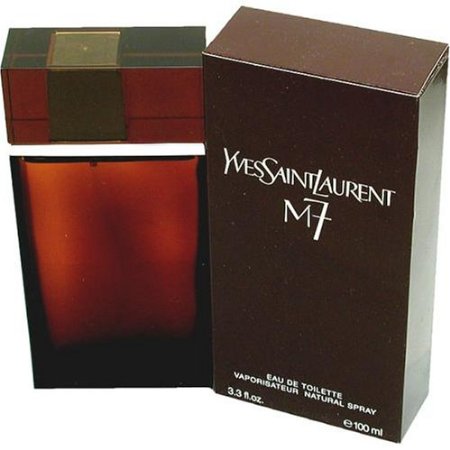
I’ve never done drugs of any kind, and have no familiarity with hashish or its related, supposedly weaker counterpart, cannabis. In Europe, however, everyone knows about Amsterdam’s open stance on drugs, and I had quite a few high-school classmates who’d tried the city’s famous hash brownies (or who… er… exported… other souvenirs of their trip). I knew full well the visuals, even if I didn’t experience the product, and I have to say, the visuals are dead-on for Black Afgano. The scent, though, was a surprise, and nothing like what I had expected. In a nutshell, Black Afgano is a very nice amber oriental dominated by medicinal oud, incense, nutty labdanum, chewy tobacco, patchouli, and vanilla. A wholly conventional, if potent and super-rich, oriental — and hardly the dangerous, completely daring, hardcore fragrance that I had expected. In fact, it strongly reminded me of another, earlier, much more pioneering, and genuinely innovative oud scent: YSL‘s famous M7 in vintage form.

Source: Nathan Branch at website linked up above.

Source: Nathan Branch at website linked up above.

Black Afgano was created by Nasomatto’s founder, Alessandro Gualtieri, and was released in 2009. The Perfume Shoppe has a description of the scent, and its notes:

One of his boldest creation invokes the best quality of hashish. It is the result of a quest to arouse the effects of temporary bliss. The fragrance’s description (“smuggled” ingredients, harsh herbs, marijuana-as-incense) conjures wild thoughts yet Black Afgano’s dark brown juice is syrupy and the fragrance opens with strong aromas of oud and musk. There is also a hint of wood-scented cigarette smoke in the opening minutes of the fragrance. Black Afgano’s mid-notes develop into smelling like marijuana with a dry, herbal-leafy accord (cured tobacco) tinged with a sweet sweaty note. In the dry down Black Afgano becomes vanillic ambery with a touch of patchouli. The lasting power of Black Afgano is sensational.  Bold and masculine which says “Dare to wear me”.

The specific, official elements in Black Afgano are unknown. Nasomatto doesn’t release notes for its perfumes, and lists nothing on its website. Fragrantica has nothing, either, but Luckyscent vaguely references “coffee, oud, tobacco and hash.” It seems far too minimal a list. While different blogs mention different elements, Scent Intoxique has one of the better ingredient lists, with “cannabis, herbal notes, resins, woods, coffee, tobacco, frankincense, oud.” Nonetheless, I don’t think that’s complete either, and since everyone has their own version of what is included, here is mine:

Coffee, oud, frankincense, tobacco, labdanum, herbal notes, dried fruit, wood, vetiver, vanilla, patchouli, amber resins and/or benzoin.

YSL M7.

YSL M7.

Black Afgano opens on my skin with a blast of coffee and oud, followed quickly by tobacco, fruited raspberry and cherry notes, labdanum, and incense. There are strong undertones of both leather, and something that is aromatic but floral. In truth, it is extremely close to YSL’s fabulous, vintage M7, only more concentrated and potent (which is a plus, as M7 was incredibly sheer and short in duration on my skin). Black Afgano has the exact same cola note from the labdanum amber resin, though it’s more raspberry in nature here than in M7 where it was almost wholly cherry-like. The medicinal nature of the oud, and the manner with which it combines with the amber, incense, and slightly honeyed undertones of the labdanum, feel very close as well. There are differences, however: M7 opens with herbal lavender, juicy bergamot, and a powerful element of cardamom; it lacks even a drop of coffee, something which is quite robust in Black Afgano’s start. Yet, ultimately, M7 is hardly about the lavender or citruses, and the two fragrances have enough similarities that my jaw was a little agape.

Source: science.howstuffworks.com

Source: science.howstuffworks.com

Putting M7 aside, Black Afgano’s opening is quite lovely. The rich coffee feels like freshly roasted beans, as well as the somewhat wet, black grinds. The labdanum is beautiful here, showing all the reasons why it is my favorite type of amber resin. It’s dark, very nutty, just barely animalic and musky, with a tinge of dark leatheriness underlying its glowing, golden heart. 

Source: colourbox.com

Source: colourbox.com

The other notes are lovely too. The tobacco element is similar to the sun-dried, sweet leaves in Serge LutensChergui with their sweetly honeyed touch, but there is also a thick, almost wet feel to the note in Black Afgano. I never detect cigarette smoke or ashtrays, though. At the same time, there is a subtle suggestion of patchouli at play in Black Afgano, and it’s the dark, dirty kind which adds some rich, textured depth and chewiness to the tobacco. Flickers of dark, rooty, slightly earthy vetiver lurk in the base, while, up top, there is a surprising fruited note. It smells strongly of raspberries, with a touch of plum, and it adds another source of sweetness to counter the darker elements. The whole thing is very much like the middle and drydown stages to M7 that I’d hoped to experience in full potency, but which my wonky skin turned instead to a thin, sheer gauze. And absolutely none of it smells of hashish or cannabis….

Norlimbanol. Source: leffingwell.com

Norlimbanol. Source: leffingwell.com

The swirl of dark, smoky, chewy, wood, incense, labdanum, and tobacco notes have something else underlying them. It almost feels like ISO E Super, but it’s not. I can’t pinpoint which precise synthetic is at play, but I know it’s there and it adds to the slightly medicinal feel of the oud. I was very relieved to have some help from the blog, Scent Intoxique, whose review of Black Afgano noted two synthetic elements:

Straight out of the bong you’re greeted with a dense aroma chemical sucker punch made up of synthetic Givaudan oud, coupled with an underpinned cedar effect in the form of Kephalis (which is an Iso-E-Super substitute, only with a more woodier/smokier feel).

Finally I can make out some quite prominent vetiver/tobacco notes, adding to the “greenness” which the general nose picks up. I may be off, but I definitely feel like I’m picking up one of the main players here and that’s Norlimbanol™, which is described as an “extremely powerful woody/animal amber note. That has a dry woody note in the patchouli direction”.

As described by Chandler Burr, “Norlimbanol is one of the most amazing scents around, a genius molecule that should be worth its weight in gold; Norlimbanol gives you, quite simply, the smell of extreme dryness, absolute desiccation, and if when you smell it, you’ll understand that instantly—the molecule is, by itself, a multi-sensory Disney ride.”

It’s this same compound which I believe gives the scent its subtle leathery undertones along with the amber.

I don’t share his enormous familiarity with either aroma-chemical, but I’d bet he’s right. That said, I would say the labdanum is also responsible for the leather nuances in Black Afgano, though they aren’t very profound or dominant on my skin. And I’m pretty sure there is actual patchouli at play as well.

Forty minutes into Black Afgano’s development, the fragrance begins to shift. The notes turn hazy, overlapping each other and creating a soft bouquet. The coffee, medicinal oud, sweet raspberry, cola, slightly honeyed tobacco, and nutty, leathered labdanum are all still there, but they’ve lost some of their edge and distinctiveness. A quiet hint of powderiness lurks underneath, and the whole thing has started to lose projection.

Painting by Holly Anderson. "Spherical Romance Art Set" via Artbarrage.com. https://www.artbarrage.com/item.php?id=656

Painting by Holly Anderson. “Spherical Romance Art Set” via Artbarrage.com. https://www.artbarrage.com/item.php?id=656

With every hour, Black Afgano becomes quieter and quieter, though its primary overall bouquet remains on a singular, linear trajectory for many more hours to come. At the end of the second hour, the fragrance hovers just barely above the skin scent, and thirty minutes later, sits right on it. Around the same time, both the coffee and vetiver fade away entirely, the patchouli becomes much more noticeable, and a chocolate note creeps into the mix. Some aspect of the labdanum’s dark, nutty, slightly leathery characteristic has combined with the patchouli to create a definite but subtle chocolate undertone to Black Afgano. Around the 3.5 hour mark, a quiet hint of vanilla pops up in the base, and it eventually becomes much more prominent.

By the start of the fifth hour, Black Afgano is a blur of sweet woodiness with smoke. The fragrance is a well-blended hazy bouquet of medicinal oud, cola labdanum with its faintly raspberry-like undertone, patchouli, amber, incense, and vanilla, but they are really hard to tease apart. Flickers of tobacco and leather lurk at the edges, but they never feel distinct either. Soon, Black Afgano turns even more nebulous and abstract, wafting only patchouli, vanilla, and labdanum amber with faint tendrils of black incense. In its final moments, the fragrance is nothing more than the merest suggestion of patchouli with ambered sweetness.

All in all, Black Afgano lasted just short of 10.75 hours on my skin. It was nothing like the purported legend of longevity that I’d read about with its rumours of a single drop lasting for 24 or 36 hours. I know my skin is wonky and consumes perfume, but this was really a surprise, especially for a fragrance that is pure parfum extrait! A few people on a Basenotes thread reported a similarly moderate or average lifespan, but the majority find Black Afgano to have monumental longevity. My experience with the sillage, however, was wholly consistent with all the reports; everyone agrees that it is a scent that doesn’t project much and which remains very close to the skin.

part of "The Blooming Tree," Painting by Osnat Tzadok, via osnatfineart.com http://www.osnatfineart.com/art/landscape-paintings/6088-The-Blooming-Tree.jsp

part of “The Blooming Tree,” Painting by Osnat Tzadok, via osnatfineart.com
http://www.osnatfineart.com/art/landscape-paintings/6088-The-Blooming-Tree.jsp

I have very mixed feelings about Black Afgano. It wasn’t at all what I expected. In fact, I’m a bit perplexed by how Black Afgano — that supposedly hardcore, brutish, super macho, edgy, dangerous scent — makes me envision curling up in winter before a fire in a sweet, smoky, woody amber cloud, but it does. It’s a totally safe, easy, approachable, comfort fragrance for me, without any edge whatsoever. I absolutely enjoyed wearing it, and I’m pleased I have an alternative to the rare, discontinued, vintage M7 which actually lasts on my skin. Vintage M7 lasted a whopping 3.5 hours on me, and the equally discontinued, reformulated M7 was even worse! Both fragrances only felt noticeable for a mere, solitary, wholly abysmal hour, so even the soft, minimally projecting Black Afgano is a step up in that regard. And, again, it was a very pretty, even occasionally beautiful, warm, rich amber on my skin. As Now Smell This put it: “Black Afgano is a handsome oriental fragrance for men; it’s a “well-rounded” perfume with no ragged/jagged edges. Black Afgano smells more like the incense people use to cover up their pot use than it does the drug itself.”

Source: lolzparade.com

Source: lolzparade.com

Yet, despite my enjoyment of the scent, there is the issue of hype. When I wore Black Afgano, I wondered to myself, “Is this IT??!” Even if one puts aside its similarity to other fragrances, it doesn’t feel revolutionary or edgy at all. Black Afgano has such a reputation for ferocity, and I don’t understand that given the largely soft, sweet cloud I experienced. In fact, I have to wonder if there is some sort of hipster cool or bravado swagger associated with the scent that makes people — young men, in particular — like to hype it up? Is this part of a certain subculture in the perfume world that likes to brag about “panty dropper” fragrances? Is Black Afgano the perfume equivalent of a Porsche’s penis extension symbolism for guys who thinks it makes them seem super cool, macho, and virile? Or is it all the fault of my skin which has muted the fragrance’s supposedly “beastly” roar?

Whatever the reason, I simply don’t get the fuss. Black Afgano is a perfectly lovely fragrance — one I enjoyed, in fact — but what I smelled didn’t rock my world, make me feel like a dangerous rebel, or make me lust for a bottle right away. Don’t kill me, but I could see a grandfather wearing Black Afgano in a sweater and slippers by the fire as he sips a glass of scotch, just as much as I can see a hot young guy or woman wearing it. In my opinion, Amouage‘s Tribute is the beastly, smoky, dangerous Darth Vader or Hell’s Angels of fragrances. Black Afgano could work in a NASA library.

The reactions to the scent are very interesting. There is that one small sub-group that I mentioned earlier (who are almost invariably young males) which adores to brag about the dangerous toughness of the scent. Then, there is a much larger group which simply enjoys Black Afgano’s dark, chewy, sweet-smoky, ambered nature, without regard to the perfume’s reputation. Finally, there is a massive group who seems to loathe the fragrance, either on its own merits or in conjunction with the extreme hype.

On Basenotes, the views seem very split. For example, in one thread, most of the Basenoters are extremely negative about the scent, despising it as rather unwearable or genuinely unpleasant, or else regretting having bought it. Apparently, a month earlier, there was another Basenotes discussion which was wholly positive in nature. In the official Basenotes entry for Black Afghano, the fragrance has an 82% score out of 33 reviews: 66% (or 20 people) gave it Five Stars and 21% (or 7 people) gave it three.

On Fragrantica, early reviews seem to be wholly gushing in nature, while the vast majority of subsequent assessments are sharply negative. I can’t tell you the number of people who find the scent to be over-hyped. For some, it’s because they are genuinely upset that there is no actual smell of weed. If you think I’m exaggerating, I’m not. For example:

  • Cant believe the price for this rotten flanker of M7 , i would call it a suffocating oxygen sucker. Where is the marijuana and coffee btw?
  • Nothing like the hashish or cannabis, and those notes were exactly what I was looking for. And I know too well what I`m talking about.

Apparently, some people were hoping to get a legal form of hashish in perfume form. I’ll spare you my thoughts on that quixotic dream. More interesting (and sane) to me, are the repeated references to M7 amongst Fragrantica posters. I’m glad to know it’s not just me, but I’m a little surprised by some of the anger over the similarities. Yes, actual anger about Black Afgano, and it’s not just the quoted commentator up above, but some others as well. M7 has a worshipped, protected, cult status amongst many perfumistas, but still! Again, I think the issue of hype is partially responsible, with many finding the fragrance to be much ado about nothing (particularly in light of M7), or being disappointed by their expectations when they experienced a perfectly nice, conventional, sweet, smoky, woody, amber fragrance.

Perhaps the more useful part of the reviews is the discussion of similar fragrances other than M7. On Basenotes, a few people shared my thought that Black Afgano has a similar tobacco note to that in Serge LutensChergui. On Fragrantica, 20 people voted for a similarity to Carner Barcelona‘s Cuirs. I haven’t tried it, so I don’t know how true that may be. On both Basenotes and Fragrantica, a number of people bring up Montale‘s Dark Aoud. I haven’t tried the latter, either, so I can’t compare, but it may be something to keep in mind if you can’t get Black Afgano. Apparently, Nasomatto only makes the fragrance once a year in somewhat limited quantities, so I’ve read a few people claim that it’s not always easy to obtain. (However, I had absolutely no problems finding sites from the U.S. to Russia and South Africa that sell Black Afgano, so take that claim with a grain of salt.) However, the Montale is significantly cheaper at $110 for 50 ml than Black Afgano, which costs $185 or €108 for a 30 ml bottle. Also, as a slight warning, Black Afgano supposedly stains clothing, so if you get it, be careful where you spray it.

Treating Black Afgano in a vacuum, and without reference to the larger context, the fragrance doesn’t work on everyone’s skin. One problem is the tobacco note. A friend of mine wanted to like Black Afgano, but said it smelled like “a sour and stale ashtray” on his skin, and he’s not alone; I’ve seen a few references to an “ashtray,” along with chewing tobacco, and pot smoke. A tiny handful struggle with something completely different: cumin. I have never seen any site or blog list cumin as one of the notes in Black Afgano, but clearly, something in the scent replicates a stale or sweaty aroma to some noses. Finally, some people have problems with the synthetics, detecting either a rubbing alcohol note (which would be the ISO E Super-like element mentioned up above), Ambroxan, or various unpleasant, abrasive chemical aromas. One person even compared the scent and feel of Black Afgano to latex paint!

The bottom line — and the reason for this extended discussion– is this: Black Afgano is complicated scent on a variety of different levels, some of which have absolutely nothing to do with the fragrance’s actual aroma. It’s a perfume that comes laden with expectations, whether it’s about the notes, its effects, or its reputation. Block it all out. If you do, and if your skin plays nicely, then you may experience a very rich, deep, oriental, amber scent. Not a revolutionary one that will knock your socks off, but quite a nice one. If your skin doesn’t comply, then it will be a dark, unpleasant tobacco or synthetic oud experience for you. And if you’ve smelled or own vintage M7, your primary reaction may be déjà vu.

Either way, Black Afgano won’t be the dark, brooding, difficult, revolutionary “beast” of legend. It’s not radically daring, it’s not a high, it’s not like cannabis, and I highly doubt you’ll be transported away in state of euphoric, drugged-out bliss. My advice is to approach Black Afgano with low expectations, and not to expect the Lost smoke monster or some sort of hashish drug replacement. If you’re lucky, then you may be surprised at the loveliness of the chewy, dark, incense-y, tobacco-y, nutty labdanum and cola, oud opening. You may really enjoy the soft patchouli, vanilla, and ambered sweetness of the drydown, and you might even think Black Afgano is a cozy, comfort scent at the end of the day. Whatever you do, however, don’t buy Black Afgano blind, and don’t believe the hype.

DETAILS:
Cost & Availability: Nasomatto is a concentrated parfum extrait (or pure parfum), and is generally sold only in a 30 ml/1 oz bottle. However, a mini 4 ml version is available directly from Nasomatto, who sells the 30 ml bottle for €108 and the 4 ml mini for €38. Nasomatto ships world-wide. In the U.S.: Black Afgano retails for $185 for 30 ml. It is available at Bergdorf Goodman, BarneysLuckyscent,  , BeautyBar, C.O. Bigelow (where it is currently sold out). Outside the U.S.: In Canada, you can find Black Afgano at The Perfume Shoppe which sells the 30 ml bottle for US$185. In the UK, Black Afghano costs £108, and is available at Roullier WhiteBloom Parfumery, and The Conran Shop. Liberty London sells the Nasomatto line, but I don’t see Black Afgano listed on the website. In France, you can find Black Afgano at Premiere Avenue for €108. In Spain, it’s sold at Parfumerias Regia, in Italy at Sacra Cuore, in Russia at what seems to be Nasomatto’s own Russian site, along with Orental.ru. In Germany, Black Afgano is sold at First in Fragrance (where it’s priced higher than retail at €120). In the Netherlands, you can obviously find it at Nasomatto’s own shop in Amsterdam. In Australia, you can find Black Afgano at Libertine which sells the 30 ml bottle for AUD$220. In Hong Kong, I found Konzepp carries the fragrance, in South Africa at Rio Perfumes, and in the UAE, I found it on Souq.com but it seems to be sold out or currently unavailable. Samples: I obtained my sample from Surrender to Chance where prices start at $4.99 for a 1/4 ml vial. Samples are also available for purchase at many of the sites linked up above.

Les Escales de Dior: Pondichéry, Portofino, Parati & Marquises (The Cruise Collection)

Dior is a perfume house that I like quite a bit, and to which I’m bound by the ties of childhood nostalgia. A few weeks ago, I stumbled across the name of a Dior perfume that was wholly new to me, Pondichery, and I sat up in excitement when I read about it. A trip to India through tea, cardamon, jasmine and sandalwood, all done in a refreshing summer manner…. It called to me like the sirens to Odysseus. It didn’t take me long to realise that Dior had a whole, rarely discussed Cruise Collection of eau de toilettes that it had initially released back in 2008 called Les Escales de Dior, and which now numbered four in all: Escale à Pondichéry, Escale à Portofino, Escale à Parati, and Escale aux Marquises. The PR press copy, as quoted by Harrods, explains the collection’s style:

Les Escales de Dior is a Collection of fresh and sophisticated fragrances, inspired by the casual chic style of the Dior Couture Cruise Collection. In each destination that inspires an “Escale”, François Demachy, Dior’s Perfumer-Creator, selects the highest raw materials, exclusive to the Dior House.

Three of the four Escale fragrances. Source: mujerglobal.com

Three of the four Escale fragrances. Source: mujerglobal.com

I tend to become a little obsessed with things so, even though I still have quite a few of Dior’s wonderful, Privé Collection to get through, I became determined to get my hands on Les Escales de Dior. (The line is sometimes called The Cruise Collection on places like Fragrantica and Surrender to Chance, but I will go with the name used by Dior itself on its website.) When Dior’s wonderful Karina Lake called me from the Las Vegas boutique with some news about a fragrance, it seemed like the perfect opportunity to beg for samples of the Escale collection.

I’ve been working through them, and they’re generally nice eau de toilettes with some very pretty bits, an uncomplicated nature, and a somewhat commercial bent. There’s nothing wrong with them, especially for their low price and large size, and commercial perfume buyers seem to adore a number of them — but they’re not for me. Given how simple they are, I thought I’d provide a relatively brief synopsis of the four fragrances in a single post, instead of treating each one individually to a lengthy, in-depth review. 

ESCALE À PONDICHERY

Escale à Pondichéry (hereinafter referred to simply as “Pondichery“) was released in 2009, and is categorized by Dior as a “green floral citrus.” Dior describes it as:

An olfactive immersion in India. François Demachy was inspired by the black tea extract during his journey in India: a fresh, sophisticated and elegant note. The new fragrance, Escale à Pondichéry, is rich in natural essences coming from the Indian continent, selected by the Dior House for their superior quality: cardamon essence, sandalwood essence and jasmine sambac absolute.

Source: fann.sk

Source: fann.sk

Pondichery opens on my skin with black tea, the juiciest bergamot, and nutty cardamon. The notes combine to create a strong but delicate aroma of tea with lemon that is just barely milky in undertone and lightly spiced with cardamom. It feels crisp, refreshing, juicy, aromatic, and airy, all at once. A subtle hint of white musk stirs in the base, smelling simultaneously clean and a little bit floral. I’m not a fan of white musk, even in subtle doses, but I can see why it was added. It helps accentuate the impression of a breezy, summer cruise. In fact, Pondicherry really evokes the crisp, well-starched, ironed whites of boat or cruise people, or the colonial past of the British in one their warm, Empire territories. Cricketers in India, or colonialists in the West Indies, are as much a fit for the visuals of crisp white as a modern-day cruise.

The tea accord is lovely but, for me, the white musk competes dominates just as much and ruins it all. My skin tends to amplify the synthetic, and I’m not a fan of  “fresh, clean” notes, no matter how popular they may be with the general public. For large stretches of time in Pondichery, it’s hard for me to smell much below the tidal wave of white crispness. Whenever I succeed, the tea is quite lovely with its strong undertones of refreshing lemon. About ten minutes into Pondichery’s development, the fragrance turns into a very summery, clean citrus scent with tea and an abstract floral note. Unfortunately, the latter never feels like jasmine, let alone concentrated Jasmine Sambac Absolute. Instead, the note is sharp, slightly chemical in nuance, potent in all the wrong ways, and yet, mutedly restrained in terms of an actual floral character. It is like a hygienically clean, fresh, unnatural jasmine, if you will, reinforced by laboratory-created white musk and infused with something disagreeably synthetic and lemony. (Yes, I have a strong bias against commercial synthetics!)

Tea with milkThankfully, Pondichery improves in time, and becomes quite pretty on occasion. After that difficult opening, the fragrance eventually settles into place and loses some of its synthetic and laundry-clean musk overtones. At the end of the second hour, Pondichery is a tea fragrance with slightly milky, lemony undertones, accompanied by fresh floral musk. There are occasional hints of creamy, white woods in the base, but they are abstract and certainly can’t be distinguished as real sandalwood. On occasion, the milky, sweet, creamy tea note is accompanied by something that smells like almonds, but it is subtle. Once in a while, a flicker of warm, lightly spiced nuttiness stirs in Pondichery’s base, but it never feels like cardamom (which has long lost any individual distinctiveness), so it must be that fake, ersatz “sandalwood” synthetic used to replicate the almost extinct Mysore wood. In its drydown stage, Pondichery grows more abstract, amorphous, and hazy, turning into a simple clean, white, musky woodiness.

All in all, Pondichery lasted just short of 10.75 hours on my skin, which might be surprising for an eau de toilette, except my skin hangs onto white musk like the damn plague. For the same reason, Pondichery had moderate projection for as long as the first 6 hours, wafting a few inches above the skin, before it turned into a discrete skin scent. On Fragrantica, the majority of voters found Pondichery’s longevity to be “moderate,” and its sillage to be “soft,” followed by “moderate” as the next choice.

Pondichery seems to be an extremely popular summer fragrance, with Fragrantica commentators loving its tea notes, its refreshing citrus tones, and the depth added by its subtle woody base. Men like it as much as women, so it’s quite unisex in its appeal. On the Nordstrom site, buyers positively rave about how wonderfully fresh, light, and beautiful Pondichery is, and the number of times the word “fresh” is used in a positive manner underscores to me one more time just how much the casual perfume buyer loves clean, white musk in commercial perfumery. If that is your taste, you should absolutely check out Pondichery. It’s versatile, affordable, and easy to wear. Parts of it are quite pretty, and I can see why the tea accord appeals to so many people.

ESCALE À PORTOFINO

Source: goldparfumer.ru

Source: goldparfumer.ru

Escale à Portofino (hereinafter just simply “Portofino“) was the very first Escale fragrance. It was launched in 2008, and is described by Dior as an “aromatic citrus” that is an “invigorating burst of sweet freshness.” The notes, according to Fragrantica, are as follows:

Top notes are bergamot, petitgrain and lemon; middle notes are almond, orange blossom and juniper berries; base notes are cedar, cypress, galbanum, caraway and musk.

Portofino opens on my skin with every possible part of a citrus tree: neroli with its bitter, spicy greenness, followed by regular, feminine, sweet orange blossoms; crisp, aromatic lemon; juicy, sun-ripened bergamot; and quiet hints of the woody twigs from the petitgrain. There are subtle flickers in the base that almost seem like sharp galbanum and something mossy. There are muted whispers of cedar lurking below, as well, accompanied by white musk. I don’t detect any almonds, nor cypress with its slightly piney characteristics.

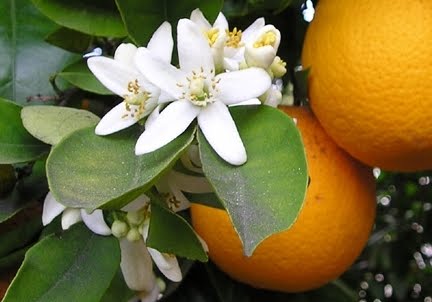
Orange blossoms via the Pattersonfoundation.org.

Orange blossoms via the Pattersonfoundation.org.

The whole thing is a very clean, refreshing, bright, summery, aromatic citrus that feels like an eau de cologne, though it initially has the strength and richness of an eau de toilette. At the end of the first hour, Portofino becomes simpler and hazier, devolving into a neroli and orange blossom fragrance with soft white musk. At the 90-minute mark, Portofino turns into a complete skin scent. There are fluctuating levels of orange blossom and white musk, but no woodiness and no almonds. It remains that way to the end when, in its final moments, Portofino dies away merely as a clean citrus musk. All in all, the fragrance lasted just short of 6 hours on my skin, and I seem to be one of the lucky ones.

On Fragrantica, most people seem to love Portofino, though there are a complaints about the fragrance’s weak longevity and projection. Some people found Portofino to be far “too citrusy,” a few thought it smelled artificially synthetic in its lemony nature, and seven people complained that it smelled like lemony dishwashing liquid or lemon furniture cleaner. (Actually, I stopped counting after the 7th one, as there are a lot of reviews for Portofino on the site.) A large number of people (28) compared Portofino to an old eau de cologne dating back to 1792: 4711 Original Eau de Cologne by Maurer & Wirtz. I haven’t tried the fragrance to know how it similar it is, but Portofino with its orange blossoms seems much warmer to me than a pure cologne with its brisker, crisper, thinner nature. Still, as a whole, the majority of Fragrantica commentators spoke positively and appreciatively about how Portofino was “refreshing,” “light,” “chilly,” “elegant,” “luxurious,” and/or perfect for summer. The word “fresh” was used repeatedly, as well. Again, it’s not my thing, but if that’s your style, you may want to consider giving Portofino a sniff.

ESCALE À PARATI

Source: cosmetics-parfum.com

Source: cosmetics-parfum.com

Escale à Parati (hereinafter just “Parati“) is an eau de toilette that was released in 2012. Fragrantica explains the perfume’s name, its inspiration, and its notes:

Parati (or Paraty) is historical and touristic town in Brazil, situated on the Green Coast (Costa Verde) near Rio de Janeiro.

Francois Demachy, the Dior in-house perfumer, found the inspiration for this fragrance in vivid and pastel colors of the landscape, laughter, wind, music, samba and sea. The fragrance captures Brazilian exotics with citrus and woody notes of bitter orange, lemon, petit grain, rosewood, mint, cinnamon, red berries and tonka bean.

Source: my-parfum.net.ua

Source: my-parfum.net.ua

Parati opens on my skin with lemons and oranges. It’s juicy, fresh, bright, and light, and seems well-suited to summer. Quickly, the citrus bouquet is followed by warm, sweet woodiness, and hints of mint. There is something a little synthetic in feel in the basenotes, but it’s minor. Quiet whispers of slightly bitter, woody, petitgrain twigs lurk about, but they never detract from the overall cool and fresh nature of the fragrance.

Blood Orange. Source: Twitter.

Blood Orange. Source: Twitter.

In less than ten minutes, however, Parati turns warmer and creamy in feel. The tonka bean adds a soft sweetness, though it doesn’t reflects a vanilla characteristic at this stage. Now, Parati is a creamy citrus fragrance dominated by a blood orange tonality, and accompanied by cinnamon and soft, muted rosewood. Around the 90-minute mark, the fragrance starts to gain more vanillic overturns, turning into a creamy, orange scent with soft woods and a subtle dusting of cinnamon, all cocooned in a warm, custardy vanilla. Parati remains that way largely towards its end, turning more abstract, hazy and soft until it is merely a trace of sweet vanillic woodiness. All in all, Parati lasted just over 4.5 hours on me, with soft, discreet sillage throughout.

On Fragrantica, people seem to have experienced a substantially more citrusy fragrance than I did. In fact, a number of commentators compare Parati to a cologne with its dominant, simple, citric blast. A handful mention the cinnamon and Parati’s warm woodiness, but they’re not many. As a whole, there doesn’t seem to be as much enthusiasm for Parati as there is for the rest of Dior’s Escale fragrances, but the scent is only a year old while others, like Portofino, have been around for quite a while now. I liked parts of Parati because its warmer, slightly sweeter nature didn’t feel as “fresh and clean” to me as some of the other crisp, light, citric scents, but it’s clearly a matter of personal taste.

ESCALE AUX MARQUISES

Source: Marieclaire.it

Source: Marieclaire.it

Escale Aux Marquises (hereinafter just “Marquises“) was launched in 2010, and is a warm, floral citrus eau de toilette. Fragrantica lists its notes as follows:

blood orange, pink pepper, cardamom, pepper, cinnamon, ginger, clove, nutmeg, coriander, elemi resin, benzoin, amalfi lemon and tiare flower.

Source: rmwebed.com.au

Source: rmwebed.com.au

Tiaré is a large component of the scent, so it may be helpful to briefly discuss its aroma. The flower is a tropical, Tahitian kind of gardenia whose scent is often associated with suntan lotion due to its use in Monoi-type of products. It has a creamy, rich aromaa that can sometimes feel like coconut or custardy vanilla, but which isn’t actually much like either. It’s a very lush, indolic, heady scent, and it lies at the heart of Marquises.

Blood Orange via FragranticaThe Dior fragrance opens on my skin with bright, juicy, slightly tart blood orange. There are hints of pink peppercorn, but Marquises is quickly infused by a heady blast of creamy, lush tiaré. The overall effect is to turn Marquises into something that distinctly resembles an exotic, orange-vanilla popsicle. Soon after, lovely whiffs of fresh, slightly spicy ginger follow, along with cloves, cardamon, and bitter nutmeg. Subtle tinges of lemon and fruity pink pepper berries lurk underneath.

Nutmeg. Source: Kootation.com

Nutmeg. Source: Kootation.com

The spices, however, are quite prominent and, within minutes, I’ve gone from smelling like an orange popsicle to some sort of spiced butter cookie. It’s the result of the tiaré’s very buttery undertones, combined with the nutmeg in particular. Behind the sweet, spicy, buttery, slightly vanillic warmth are bursts of juicy, tart, fresh citruses, though they sometimes feel like a Jack in the Box, popping up only occasionally and in varying strengths. On my skin, Marquises is never a full-on, predominantly citric scent, and is much more about the tiaré and spices.

Ten minutes in, Marquises is creamy, tropical, lush, sweet, very heady and slightly indolic, with buttery vanilla sweetness, loads of dusky spices, and a slight undertone of citric freshness. Ginger adds a quiet zing, especially in conjunction with the blood orange, while the nutmeg adds a slightly bitter edge that helps cut through some of the heady, unctuous richness. Sometimes the scent feels quite floral, but I’m still struck by the occasional impression that I smell like a shortbread butter cookie sprinkled with nutmeg. It’s not bad at all, especially as Marquises has enough dryness, spice and citruses to keep the scent from feeling gourmand in any way. The whole thing is very airy, bright, and heady.

Thirty minutes in, Marquises shifts a little. There is suddenly a quiet woodiness that stirs in the base and, surprisingly, it has quite a smoky aroma. It smells a little acrid, a bit sharp, and reminds me of the scent of burning leaves in the fall. It comes from the elemi, and it feels a little disconcerting in the midst of all the Tahitian floral creaminess mixed in with butter cookie and orange popsicle accords. Then again, I suppose those last three things are an unusual combination, in and of themselves.

Source: Kootation.com

Source: Kootation.com

At the 90-minute mark, Marquises settles into its main, final bouquet: tiaré backed by strong hints of blood orange (that has a slightly neroli and orange blossom undertone), with subtle spices and woodiness, all flecked by a vanilla creaminess. It’s a soft blur of muted notes that all overlap each other, never feeling individually distinct. Marquises hugs the skin as a discreet whisper, turning increasingly soft until it’s nothing more than a sweet, vaguely creamy floral citrus scent with some amorphous woodiness. All in all, it lasted just over 3.75 hours, which is pretty much in line with many reports on Fragrantica, though one poor soul said Marquises died after a mere 30 minutes.

Marquises seems hugely adored by those who have tried it on Fragrantica, many of whom call it “beautiful.” For a few people, it’s actually their favorite from the Escale collection. As a whole, commentators find it citrusy, fresh, and elegant, though some find the spices to dominate, and a rare few think the fragrance smells masculine. Judging by the votes, the main notes that people have experienced are: tiaré (54), blood orange (52), and lemon (51), followed by ginger (43), nutmeg (41), and cardamon (41). The common complaint, however, is that Marquises barely lasts on the skin. Yet, some people find the scent to be lovely and luxurious enough to warrant re-application during the day, and Dior certainly sells Marquises in a generous size at a decent enough price for that to be an option. (The smallest bottle is 75 ml/ 2.5 oz in size and costs $75, £56.00, and about €67,90.) I thought the scent was quite pretty at times, and it never felt very synthetic, so if you’re looking for a warm, airy citrus fragrance with a bit of a quirk, then Marquises may be right up your alley.

ALL IN ALL:

I liked small bits in each of the Dior fragrances, and thought they were generally pretty on occasion. None of them are revolutionary, original, edgy, complex, nuanced, or of luxurious depth, but I don’t think a commercial, summery Cruise line of fresh, citrusy eau de toilettes is meant to be. That said, neither light, crisp citruses nor fragrances that scream “fresh and clean” are to my personal taste, especially when white musk is involved. However, the commercial mass-market taste is for precisely such fragrances, so the Escale collection is aimed at a specific target audience.

For those who appreciate such scents, the Dior eau de toilettes seem ideal, especially for summer. They’re light, easy to wear, versatile, unisex, and affordable (especially given how the “small” Dior size is almost an ounce more than the starting size of most brands). Les Escales may have iffy longevity, depending on the particular fragrance in question and on your personal skin chemistry, but eau de toilettes have moderate longevity in general. As for sillage, the Dior style is for very discreet, soft fragrances as a whole — something which makes them ideal for anyone concerned about wearing fragrances to work, or those who prefer merely a subtle suggestion of scent. All in all, they are well-suited to a particular perfume style and taste.

DETAILS:
Cost & Availability: The Escale fragrances are all eau de toilette in concentration, and are available at Dior boutiques, at Dior online, and select department stores. The fragrances generally come in two sizes: a 75 ml/ 2.5 oz bottle which costs $75, £56.00, and about €67,90; and a 4.25 fl oz/125 ml which costs $98 or €91. (There is a massive 200 ml bottle as well, but I can’t find pricing on that and few places seem to carry it online.)  In the U.S.: the Escale line of fragrances can be found at select department stores, Dior’s NYC boutique, and at the main Las Vegas store [(702) 369-6072]. If you’re really interested, however, what I would do is to call this number instead — (702) 734-1102 — and ask for Karina Lake, the Dior Beauty Stylist at the Las Vegas store. She is an amazingly sweet lady who will also give you free Dior perfume samples, free shipping, and you’ll pay no tax! Tell her Kafka sent you. (I get nothing for recommending her, by the way. I merely think she’s wonderful, and I’ve bought from her myself.) Elsewhere, you can find the full Escale line at Macy’s (though I don’t know how many of the stores carry the fragrances in-house), and two of the fragrances (Pondichery and Portofino) are also available at Nordstrom. A friend in San Francisco informed me that he had difficulty finding the Cruise Collection in department stores, and located them actually at Disneyland, so not every Nordstrom or Macy’s may have them. As a side note, a large 4.2 oz tester bottle of Pontichery is on sale at FragranceNet for $66.46 with a coupon. The others may be similarly discounted on that site, so you may want to check. Outside of the US: In the UK, you can find the Escale Collection at Harrods where prices start at £56.00. In France, you can find the Escale line at French Sephora which sells the 75 ml bottles for €67,90 and the larger 125 ml bottles for €96,90. The link will take you to the Pondicherry entry, but you can find the other fragrances from the Escale link shown midway down on the page. In addition, you can use the Points of Sale page on the Dior website to find a location for a store near you.
Samples: If you want to give any of the Escale fragrances a sniff, samples are available at Surrender to Chance where prices start at $2.99 for a 1 ml vial.