Perfume Review – Profumum Acqua di Sale: The Bottled Sea

Source: Coastalcare.org

Source: Coastalcare.org

Photo: Dayle Ann Clavin Photography, used with permission.

Photo: Dayle Ann Clavin Photography, used with permission.

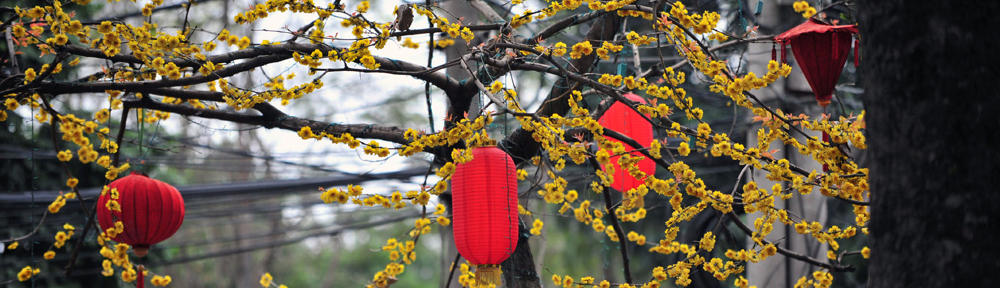
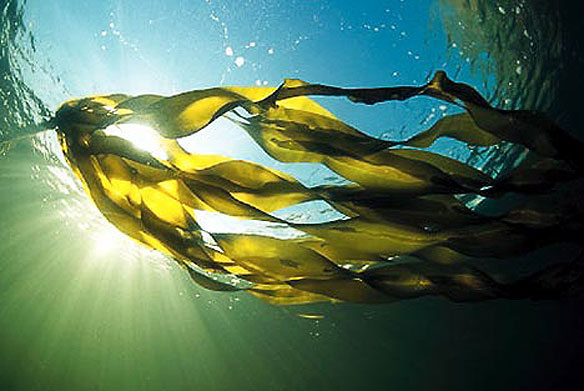
The beach stretched on for miles, dotted with rocks, and garlanded by long necklaces of seaweed. A brisk, chilly Atlantic wind stirred the waters to a salty fury, and carried the smell of the myrtle and cedar trees that lined the cliffs. Though the sun shone warmly, that fragrant wind cut through the heat, bring the forest to the beach. Dry cedar danced with the herbal, mentholated aromatics of the myrtle, but both were wrapped with ribbons of kelp as if the sea insisted on joining the game. On the beach, as the water glittered in alternating shades of cold blue and warm turquoise, solitary walkers were covered with a fine spray of salt which mixed with their heated skin, creating an interplay of salty and sweet, amber and white, gold and green.

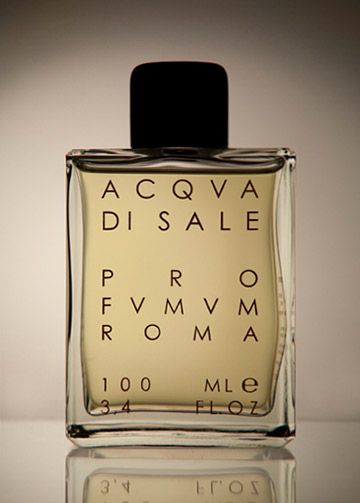
Sun, surf, sand, and fragrantly herbal, mentholated trees are the simple bouquet of Acqua di Sale, an eau de parfum from Profumum Roma. It is an Italian niche house founded in 1996, and commonly called Profumum by most. (The name is also sometimes written as “Profvmvm,” but, making matters more complicated, the company puts it as “Pro Fvmvm” on their website). As regular readers will know, I’ve become utterly obsessed with Profumum’s fragrances, after trying their two great, incredibly rich ambers, Fiore d’Ambra and Ambra Aurea. I ended up falling hard for the latter with its gorgeous, rare, salty, expensive ambergris. In fact, I think is the best, richest, and most luxurious amber fragrance around.
Source: Profumum Roma

Source: Profumum Roma

Given the scorching heat of the summer, it seemed natural that my next foray into Profumum’s wares would be the salty, sea fragrance, Acqua di Sale. Profumum‘s website describes it very simply:

The sea waves that brake on the shore donate new shells,
with a multitude of sizes and shapes,
to the sand that glimmers in the morning sun of August.
In the desert beach flutter heedlessness and freedom.

The notes, as compiled from Fragrantica and Luckyscent, consist of:

virginia cedar, seaweed or marine algae, salt and myrtle.

Source: squidoo.com

Source: squidoo.com

Acqua di Sale opens on my skin with a burst that takes me immediately back to the sea: salty kelp lying on the rocks, sea air, pure salt, and a splash of salty water. Yet, the forest is there, too, with the minty, aromatic, herbaceous notes of myrtle fused with dry, peppery cedar. There is a surprising creaminess to Acqua di Sale’s base that definitely lends itself to the Noxema comparisons made by a few commentators. For non-American readers, Noxema is a thick, white, face cream and cleanser that first came out in 1914, and which has a very herbal aroma. The reason for the similarity here is due to the myrtle which has a herbal, Mediterranean aroma, and whose essential oil is very similar to eucalyptus in aroma. Noxema is infused with camphor, menthol, and eucalyptus. Yet, the Noxema nuance to Acqua di Sale is very subtle and, for me, extremely fleeting.

Photo: Dayle Ann Clavin Photography, used with permission. Website Link embedded within photo.

Photo: Dayle Ann Clavin Photography, used with permission. http://www.dayleannclavin.com/

Moments later, there is a strong undercurrent of watery saltiness that strongly evokes a beach. It’s not the sort of beach that you’d find in Rio or Hawaii with its aroma of tropical florals and suntan oil. Instead, the beach in Acqua di Sale is either in the Atlantic, in Normandie or Bretagne, or nestled somewhere in the South on the rocky coast of the Mediterranean. It’s a windswept, desolate, slightly chilly beach where the salty air is filled with brisk, bracing herbaceousness and woodiness, and where the kelp far outnumbers the humans.

Yet, to be honest, there is something initially quite synthetic in the base that supports Acqua di Sale’s woody, sea facade. It feels like a subtle tinge of clean, fresh, musk mixed with slightly artificial ozonic and aquatic elements. It can’t be helped, I suppose, since neither salty kelp nor salty water is a natural scent in perfumery, and light musk is always synthetic. In fairness, the synthetic accord is a lot less abrasive, fake, or extreme than it is in many ozonic, clean, maritime scents. Acqua di Sale is not Armani‘s Acqua di Gio for me — and it’s a fact for which I’m enormously grateful. Even better, it only lasts a brief time, thanks to the strength of the other notes. 

Fifteen minutes into Acqua di Sale’s development, the cedar and myrtle emerge with a roar. The combination feels crystal clear, pealing like a bell’s single note in the wilderness, a strong, bracing, brisk aroma of herbal, aromatic, chilly eucalyptus and woods. The smell is actually far more herbaceous and dry than purely mentholated, and it never feels medicinal. It’s lovely, especially when subsumed under that veil of sea water and salty kelp, though it is a very simple bouquet when all’s said and done.

Photo: Dayle Ann Clavin Photography, used with permission. http://www.dayleannclavin.com/

Photo: Dayle Ann Clavin Photography, used with permission. http://www.dayleannclavin.com/

Acqua di Sale doesn’t change in any profound way for a few hours. Around the 75-minute mark, the perfume becomes softer, rounder, and smoother. Any synthetic traces have long gone, leaving a very briskly refreshing, cool, airy fragrance. Close to the end of the second hour, Acqua di Sale’s projection drops quite a bit, hovering now just a few inches above the skin, though the perfume is still somewhat strong within its tiny cloud.

Then, suddenly, just after the end of the third hour, Whoa Mama! Acqua di Sale turns into amber. The brisk, bracing, maritime, herbal, mentholated eucalyptus, cedar, and salt perfume transforms unexpectedly into almost pure, gorgeous, salty, sweet, ambered silk with just a sprinkling of herbal dryness around the edges. I couldn’t believe just how drastic the change was from the first hour. Now, Acqua di Sale is an incredibly snuggly, soft, plush amber first and foremost. Its sweet, almost cushiony warmth is infused with saltiness, leading me to believe that there is some ambergris in the perfume’s base as well. I’ve noticed in the past that Profumum doesn’t seem to give a very complete list of notes, and they seem to love their ambergris, so I wouldn’t be surprised at all if they tossed it into Acqua di Sale as well.

Photo: Dayle Ann Clavin Photography, used with permission. http://www.dayleannclavin.com/

Photo: Dayle Ann Clavin Photography, used with permission. Website link at end of review.

The result is so lovely, I want to burrow in it. It evokes the feeling you have after a long day at the beach when your sun-soaked skin radiates a lingering soft, salty, sweet warmth, and your slightly chilled body is wrapped in a dry towel. The aroma is incredibly soothing, relaxing, and comforting, especially given the hints of dry, eucalyptus-infused cedar to give it some character. I can’t pinpoint the cause of the sweetness which is too rich to be vanilla, and, yet, there is something vaguely similar in Acqua di Sale’s undertones. I suspect it’s some sort of resin, perhaps something like Tolu Balsam which is somewhat vanillic in character but also more than that. The base and drydown in Acqua di Sale has a similar sort of sweet, golden richness, and it hovers like the finest silk right on the skin.

Around the 4.75 mark, Acqua di Sale is a sweet, salty, golden, creamily smooth amber that feels as plush as a plump pillow. It’s just barely speckled with bits of fragrant, aromatic cedar and myrtle, creating a fragrance that is incredibly cozy and elegant. I feel like snuggling in, burrowing my nose deeper and deeper into that, alas, very soft, skin scent. How I wish it were stronger, but Acqua di Sale is too fine, sheer and gauzy at this stage. And it just gets softer still. At the start of the sixth hour, Acqua di Sale is an abstract veil of sweet, slightly salty amber, and it remains that way until the very end.

All in all, Acqua di Sale lasted just short of 10.75 hours on my perfume-consuming skin. It would sound like a hell of a lot, but Profumum Roma makes what may be the richest, most concentrated perfumes on the market, containing between 43% and 46% perfume oil. It’s astonishing, but so, too, is their longevity. The last, faintest traces of Ambra Aurea died away after almost 16 hours on my difficult skin, and that was with just a few small dabs. (It’s one of the many reasons why I love it so!) On normal skin, I could easily see the longevity of Ambra Aurea exceeding 20 hours or more, especially when sprayed. I’ve heard stories of people getting some insane numbers from Profumum across the board, with a few saying traces of their fragrance lasted even through a shower — and I fully believe it. So, if 2 small-to-medium dabs of Acqua di Sale lasted 10.75 on my voracious, crazy skin, those of you with normal skin should expect substantially longer. The sillage, however, is not profound or even moderate, which may be expected from a scent that is so aquatic, maritime and herbal for a portion of its lifespan. It simply won’t be as strong as an oriental amber fragrance.

Profumum’s fragrances seem to consistently reflect a very Italian signature. Their style seems very similar to that of famous, high-end, Italian fashion designers, like Giorgio Armani, who intentionally opt for fluid, minimalistic, clean, very simple lines but always put together with great refinement and the richest fabrics. Profumum’s perfumes are very much the same: they have just a handful of notes done in a simple, somewhat linear manner, but with great richness and at the most concentrated levels. The downside to that is that the fragrances are easily, and with some justification, accused of being… well, too simple and linear. They are. No question about that at all. And it makes Profumum’s prices far too high for some people. Again, I won’t argue that, though I do believe that price can be a very subjective issue. 

For me, however, there is just something about the Profumum fragrances that I’ve tried thus far that drives me a little wild. Quite simply, it’s that ambered base. I love it, even in the Fiore d’Ambra perfume that didn’t sweep me off my feet as much as Ambra Aurea. There is a rich, infinitely creamy, satiny lushness and luxuriousness about the amber that differs from all those I’ve tried before. If Acqua di Sale didn’t have it, I would still find the fragrance to be a refreshing, brisk, well-crafted summer scent and I would like it. Not a hell of a lot, because it isn’t really my personal style, but I would like it. However, with that sudden twist into amber plushness, Acqua di Sale becomes quite lovely. It transforms into a more interesting, but balanced, version of two different fragrances with one half being refreshingly brisk for the summer’s hot, humid days, and one half being a snuggly, cozy, relaxing scent for the summer’s cooler evenings.

The reviews for Acqua di Sale are extremely mixed. On Basenotes, a number of people like it, but the Italian commentators seem to loathe it with the passion of a thousand fiery suns. I suspect that they may actually have issues more with Profumum itself than with Acqua di Sale, given the various comments like:  “In italy this is a cult scent for all the snob-ish ladies without class but with a biiiiiig credit card. A scent that litterally makes me laughing so hard I cant’ breathe.” Or, from another Italian: “Mediocre scent despite the caos that in Italy turns it as a cult among the ignorant members of the middle class guided by the great joystick.” However, the perfume does have its admirers, though even some of those don’t find Acqua di Sale to be hugely complex or “dramatic.” I would agree with them, if it weren’t for that unexpected shift into amber that I experienced and which I don’t see much talk about in discussions about the fragrance. Still, the fans on Basenotes are hugely outweighed by the critics (even the those who aren’t Italian snobs) who find Acqua di Sale to have an artificial, synthetic or chemically sweet element that they couldn’t bear.

Fragrantica reviewers, however, are significantly more enthusiastic about Acqua di Sale. To wit, one calls it an Italian “masterpiece” that is “oceanic, wild, salty. I imagine seaweeds on a reef in the ocean. I imagine a lighthouse in the middle of a stormy sea. Is is pure freedom, also dramatic if you think to the power of the ocean.” A number of people find the scent to be extremely evocative and, at times, almost sexual:

  • This perfume melts to your skin. This is what sex on the beach smells like.
  • There is something special about this fragrance for me. It is salty and marine, woody and herbal but also sweet. It is thick, fresh and aromatic (thanks to cedar and myrtle). Very sensual and sexual. As some say – it is like a wet warmed-up naked skin by the seaside in the heat of summer, like “sex on the beach fantasy”. Sexy, sensual and provocative.
  • At first it feels as if I`m walking in a pine forest,very green and tangy, I am approaching the sea, I can smell it in the distance,
    as I walk on a cedar chip trail.Now I am on the beach, the salty air and mist of cold ocean hit my face in a sudden gust of wind.A cold fog rolls in, I smell seaweed as it dances with the tide. Very
    realistic indeed! […]P.S.,although suitable for men and women,I feel like a mermaid when I wear this:-) !! [Formatting changed and spacing added for this comment.]

Others are not as enthused, calling Acqua di Sale “over-priced” (which it is), or saying that it will “only make you smell like an elegant codfish.” (Actually, that comment comes from another Italian. I wonder why they all hate it so much?) One poster found Acqua di Sale to start with a screechingly artificial, sweet note that evoked Coppertone, before it turned into a lovely “ozonic chypre” with a “complex woody drydown” that she really liked. 

There aren’t a ton of blog reviews for Acqua di Sale out there. Perfume-Smellin’ Things has a short paragraph on the scent which Marina actually expected to fully dislike, but it surprised her:

Described by Luckyscent as “the most realistic ocean scent”, with notes of “aroma of salt on the skin”, myrtle, cedarwood and marine algae, it was meant to be my least favorite of the bunch. It is actually not bad on me at all, i.e. it is not too obviously, too nauseatingly aquatic. In fact, it is really quite good. It is the scent of the skin after a long swim in the sea. In a cold, Baltic Sea. I don’t know why, this is how it smells to me. It is understated but still has a presence and certain sensuality about it. It is slightly minty, very subtly sweet, and a little spicy. It is very nicely done, it surprised me. If ever I were on the market for this kind of scent, this would be the scent I’d buy.

Etretat, near Bretagne in Northern France. Photo: Dayle Ann Clavin, used with permission.

Etretat, near Bretagne in Northern France. Photo: Dayle Ann Clavin Photography, used with permission.

There is a more unqualified, rave review at The Scentualist, who calls it “the authentic perfume for the sea lovers, a scent that is capable to transport you into a universe filled with marine algae and a reminder of the delightful moments spent in the summer sun.” Meanwhile, Confessions of a Perfume Nerd was not only surprised to find Acqua di Sale to be her “perfect sea scent” (when she doesn’t normally like that sort of thing, it seems), but she also found it beautifully evocative:

Aqua di Sale is the sea at an forgotten, rocky bay at the mediterrean during autumn storms.

Aqua di Sale is the smell of a salty sea, but also soft notes of the cilffs, the air and the far away forrest. Aqua di Sale make me long for a mediterrean sea off-season, with abandoned taverns and beaches in rain and fog, taking long walks along empty shore lines and now and sit down on a rock and feel the smell of sea. Have you ever dreamed of being a lighthouse keeper on a distant island, Aqua di Sale may help your daydreams and imagination a little.

Clearly, Acqua di Sale triggers feelings that span across the board. From those who find it to smell fishy or like Noxema, to those who find it chemical or just plain dull, to those who adore it and find it to be, quite literally, the olfactory sensation of “sex on the beach” or a chilly, oceanic “masterpiece,” the reactions are quite strong. Obviously, this is not a perfume to buy blindly, especially at Profumum’s prices.

I personally like Acqua di Sale and would wear it if a bottle were to miraculously drop into my lap. However, I would do so primarily because of the drydown which, on me, was gorgeous, soft, luxuriously smooth, sweet, salty amber in essence. The rest of Acqua di Sale was pretty and very refreshing, but I’m generally not one for sea fragrances, no matter how powerfully evocative or well done. Or, rather, to be more precise, I’m not one for sea fragrances at $240 or €180 a bottle. So, it’s a mixed bag, all in all. One thing is for certain: my interest in Profumum Roma remains quite strong.

Postscript: I’d like to express my gratitude and thanks to Dayle Ann Clavin Photography who was generous enough to allow me to use her magnificent photos. All rights reserved. You can find more of her award-winning images at her website (link embedded), where she offers a wide range of services. Her work encompasses everything from photo-journalistic series, to business-related imagery, personal portraits, and wedding photos. 

DETAILS:
Cost & Availability: Acqua di Sale is an Eau de Parfum that only comes in a large 3.4 oz/100 ml bottle which costs $240 or €179. It also comes in a concentrated body oil, and a shower gel. Profumum unfortunately doesn’t have an e-shop from which you can buy their fragrances directly. In the U.S.: it is available at Luckyscent, along with the concentrated body oil which Luckyscent describes as follows: “Body Oil Concentration; No alcohol. Made with almond oil, sunflower seed oil and gingko biloba extract.” Acqua di Sale in perfume form is also sold at OsswaldNYC. Outside the U.S.: In the UK, Profumum perfumes are sold at Roja Dove’s Haute Parfumerie in Harrods. Elsewhere, you can find Acqua di Sale at Paris’ Printemps store, Switzerland’s OsswaldPremiere Avenue in France (which also ships worldwide, I believe),France’s Soleil d’Or, the Netherlands’ Celeste (which sells it for €180, along with the shower gel), and Russia’s Lenoma (which sells it for RU16,950). According to the Profumum website, their fragrances are carried in a large number of small stores from Copenhagen to the Netherlands, Poland, France, the rest of Europe, and, of course, Italy. You can use the Profumum Store Locator located on the left of the page linked to above. Samples: Surrender to Chance carries samples of Acqua di Sale starting at $4.99 for a 1/2 ml vial. You can also order from Luckyscent.

Review En Bref: A Lab on Fire What We Do In Paris Is Secret

My Reviews En Bref are for fragrances that — for whatever reason — didn’t merit one of my lengthy, exhaustive, detailed assessments.

Source: A Lab on Fire's Flickr page.

Source: A Lab on Fire’s Flickr page.

Fluffy, clean, powdery, gourmand, and very young. That, in a nutshell, is the summation for A Lab on Fire‘s What We Do in Paris Is Secret. “What We Do In Paris Is Secret” is a bloody long name, so I’ll just shorten it to “What We Do in Paris” or “WWDIP.” The fragrance is an eau de parfum from the legendary perfumer, Dominique Ropion, long considered one of the most technically brilliant, talented, master perfumers. A Lab on Fire is a new niche brand, created in 2011, and, according to Now Smell This, is a sister house to S-Perfume. According to that NST article, A Lab on Fire’s mission is to create fragrances in collaboration with master perfumers, and to “emphasize the juice over the packaging (What We Do is housed in a plain lab bottle with a smear of black paint and a label, and there’s a ziploc bag instead of a box[.].” Hence, a very utilitarian, minimalistic bottle in a silver bag.

The WWDIPIS bag. Source: Fragrantica

The WWDIP bag. Source: Fragrantica

What We Do In Paris was released in 2012, and is classified on Fragrantica as a Fruity Floral. Luckyscent says the perfume notes are as follows:

Bergamot, honey, lychee, Turkish rose essence, tonka bean, vanilla, heliotrope, tolu, sandalwood, ambergris, musks.

What We Do In Paris opens on my skin with a soft, fragile rose note, infused with powder and honey. It is quickly followed by something chemical with a strong aroma of burnt plastic and a faint undertone of medical astringent. I test What We Do In Paris twice, and the same thing occurred both times. The combination is quickly joined by a light, watery, pastel, fruity note that just barely hints at being sweet lychee, but it is almost completely buried under the chemical element and by the advent of a new arrival. It’s powder. Full-blown powder, bursting on the scene, feeling girly and light, infused with vanilla and an almond note from the heliotrope. The whole thing is bound up with enormous sweetness, though it never feels like honey, and feels very airy, soft, and gauzy.

Vanilla powder and essence. Source: food.ninemsn.com.au

Vanilla powder and essence. Source: food.ninemsn.com.au

Within minutes, What We Do In Paris changes. The rose note recedes far to the background, the lychee vanishes completely, and the perfume is reduced to an incredibly feminine cloud of sweet powder scented with vanilla and heliotrope. There is a faint whiff of clean, sweet, light musk at the edges, but that’s about it. The notes are so sheer and minimalistic, I actually doubled the amount of my dose to see if it were a simple problem of application and amount. Nope. What We Do In Paris emphasizes two main notes, and you bloody well better like them. Occasionally, like a ghost, there will be flickers of rose from far recesses of the perfume’s depths, and that lingering trace of burnt plastic chemicals, but generally What We Do In Paris is all about the vanilla, almond-heliotrope powder.

Play-Doh set and station via Amazon.com

Play-Doh set and station via Amazon.com

In the middle of the second hour, the perfume turns warmer, softer, and just a little bit richer. It’s all highly relative for this airy, frothy, singularly limited gourmand confection. The minuscule hints of rose have vanished, and a subtle undertone of amber stirs in the base. The more almond-y nuance of the heliotrope has turned into actual Play-Doh, and the vanilla seems richer.

Around the 4.75 hour mark, What We Do In Paris gains another side. Now, there are the creamy, generic, beige woods that modern perfumery insists on pretending is “sandalwood,” but which smell absolutely nothing like the real kind from Mysore. There’s also a subtle sense of something ambered in the base, though it has no chance of competing with the dominant accords. WWDIP is now a simple blend of Play-Doh heliotrope, vanilla, sweet powder, and ersatz, fake, “sandalwood” creaminess flecked with amber. In its final moments, What We Do In Paris is merely creamy sweetness with vanillic powder. It lasted just shy of 6.25 hours on my skin, and had soft sillage.

WWDIP is far from my personal cup of tea. It’s soft, sweet, and fluffy, though I’m not sure I mean that as a compliment. It’s a pleasant enough scent that skews extremely feminine and gourmand in nature, but is also extremely simple with limited range and a total lack of depth. What We Do In Paris is not fruity or floral enough to merit a “fun and flirty” designation, but it does scream “youthful.” It seems like the perfect sort of innocuous, soft, sweet, powdery scent for a young, female, high school student. It’s so pleasantly and innocuously powdery sweet that it actually seems more like a commercial scent that you’d find at the mall, instead of a niche fragrance that costs $110.

The surfeit of sweetness and the young, safe, fluffy banality bore me, but a lot of gourmand lovers seem to adore What We Do In Paris. It’s a fragrance that has often been compared to the cult hit Luctor et Emergo from The Peoples of The Labyrinths, as well as to Kenzo‘s Amour. The drydown has even been admiringly compared to Givenchy‘s notorious Amarige. I love Amarige, own it, and don’t find a lot of similarities between its lovely, richer, deeper, more appealing amber in the drydown, and the deluge of powdered sweetness in WWDIP. I haven’t tried the other scents to know how they may compare, but Now Smell This and Freddie of Smelly Thoughts found some overlap between What We Do In Paris and other gourmand fragrances, including Serge Lutens‘ Rahat Loukoum and Louve. Like me, Freddie wasn’t bowled over by What We Do In Paris, calling it “slightly immature” and “safe and predictable.” He called it “a perfect blind buy for someone who just likes to smell good but doesn’t care of what in particular.”

If you’re a gourmand lover, however, and are looking for an uncomplicated, completely safe scent, you may want to read the glowing, gushing raves on Luckyscent where many people find WWDIP to be delicious, sweet nectar and utterly addictive. Everyone talks about the powder or Play-Doh, but they generally love it, with only a few dissenters finding the perfume to be excessively sweet or like “baby powder.” One admiring commentator said the fragrance was delicious Play-Doh in “a comforting, loving feminine role-model wearing kind of way. Reminds me of a kind pre-school teacher.” I agree with that last bit. I could definitely see a pre-school teacher wearing WWDIP as a scent that would comfort and soothe toddlers….


DETAILS:
Cost & Availability: What We Do In Paris Is Secret is an eau de parfum that is most commonly available in a 60 ml bottle that costs $110 or, generally, around €110. There is also a 15 ml bottle that is sold by some vendors for €24. Both sizes are listed on the Lab on Fire website, but it doesn’t seem to have an e-store offering online purchase. In the U.S.: you can find What We Do In Paris at Luckyscent. Outside the U.S.: In France, I found the perfume in a 15 ml size bottle at Colette which sells it for €24. I couldn’t find any UK vendors, but I didn’t search exhaustively. In the Netherlands, WWDIP is sold at Skins in the 60 ml bottle for €115,85. In Germany, First in Fragrance offers What We Do In Paris for €110, and I believe they ship worldwide. For all other locations, you can turn to the Lab on Fire Stockists list on their Facebook page which lists vendors from Austria to Poland, Greece, Switzerland and elsewhere in the EU. No UK or Australian vendors are listed, however. Samples: I obtained my vial from a friend, but you can buy samples at Surrender to Chance which offers WWDIP starting at $5.99 for a 1ml vial.

Perfume Review: Xerjoff Mamluk (Oud Stars Collection)

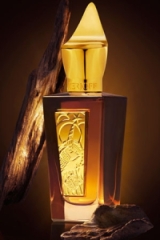
Mamluk. Source: Fragrantica.

Mamluk. Source: Fragrantica.

Xerjoff is an uber-luxury, Italian niche perfume house founded in 2004 by Sergio Momo. In 2012, Xerjoff (pronounced as “Zer-joff”) launched its Oud Stars Collection of fragrances which included Mamluk, a gourmand take on agarwood. Like the rest of its siblings, Mamluk was created by the perfume house’s founder, in conjunction with Sonia Espelta and Laura Santander

The notes in Mamluk according to Xerjoff and Luckyscent include:

Italian Bergamot, Honey, Caramel Accord, Jasmine Garndiflorum, Osmanthus, Laos Benzoin, Vanilla Madagascar, Indian Oud, Crystal Musks, and Amber.

Photo: Blentley via fr.fotopedia.com

Photo: Blentley via fr.fotopedia.com

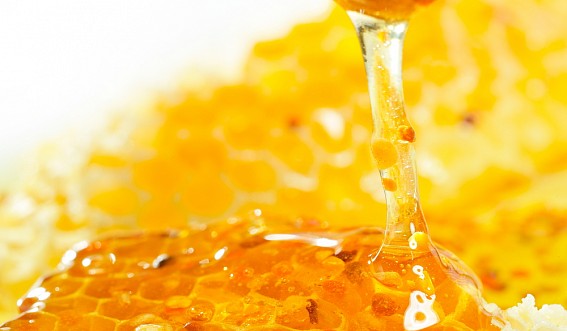
Mamluk opens on my skin as the most unbelievably sweet bouquet of lemon and honey with a beautiful, but faint, floral tinge. Quickly, sour notes emerge, smelling rather urinous, though simultaneously infused with an incredible sugariness. Thankfully, both the sourness and the pee-like nuance are very short-lived, and fade away in a matter of minutes. In the meantime, subtle whiffs of a sharp, slightly astringent oud flicker on and off, while musk, amber, and a warm plushness stir in the base.

The famous Cora "Sun Drop" yellow diamond. Source: extravaganzi.com

The famous Cora “Sun Drop” yellow diamond. Source: people.com.cn

What’s interesting about Mamluk’s opening minutes is that, despite smelling the nuances of the individual notes, you’re subsumed by the overall effect which is far more over-reaching, all-encompassing and lovely. Yes, you can detect the lemon or the subtle florals, along with the other elements, but Mamluk envelops you in a blooming cloud that feels absolutely radiant. It’s like a giant, yellow diamond shining in the dark, throwing off rays of crystal clarity and sharpness. And, yet, there is incredible softness billowing out as well. It’s like a juxtaposition of angles but, also, of extremes that’s very hard to describe. Take, for example, that lemon and honey combination. It is so sweet, it almost hurts; so intense, it can verge on the sharp; and yet, there is a radiant softness that almost glitters.

Bergamot. Source: a1.ro

Bergamot. Source: a1.ro

Ten minutes into Mamluk’s development, the perfume turns even sweeter and warmer. The citrus is heady, conjuring images of the fruit lying ripe, thick, and heavy on the branch, and so sweetened by the sun that it verges on the over-blown. The subtle floral nuances are simultaneously airy, thick, gauzy, dainty, indolic, and slightly voluptuous. Again, it’s the story of contradictory extremes. In the background, the Indian oud now feels so sweetened that it almost verges on the caramelized. It’s a far cry from the medicinal, ripe cheese and fecal characteristics of the very aged, rare agarwood from Laos that dominates Mamluk’s very masculine sibling, Zafar. The overall effect of the different elements in Mamluk is an intoxicating, honeyed headiness that feels almost piercing in its sweetness and glitter.

Slowly, slowly, the sweetness starts to take some shape. Twenty minute in, the heavy honey cloud takes on a definite salty caramel undertone. There is a similar salty vibe to the musk and golden amber, leading me to believe that there may be actual ambergris — that really rare, difficult to find, incredibly expensive ingredient — in Mamluk, and not the generic sort of “amber” that is used in most perfumery. The floral notes aren’t as easy to distinguish. They feel amorphous, and never like distinct jasmine or osmanthus. In fact, I don’t smell any of osmanthus’ tea or apricot undertones, though I detect something that feels a lot like peach. Perhaps, it’s the effect of the rich honey and the lurking caramel that have made the osmanthus into something far richer than delicate apricot. Over time, the caramel becomes stronger and more powerful, infusing everything with its sugary tones. When combined with the honey, the sweetness completely overpowers and overshadows the subtle flickers of oud, which now retreats far, far to the background, never to be seen again until the drydown. At the 40-minute mark, even the flowers feel as though they’ve been drenched in caramel and, to be honest, it’s a bit cloying at this stage. Have I mentioned that Mamluk is a very sweet fragrance?

Source: Wallpaperscraft.com

Source: Wallpaperscraft.com

Mamluk never changes in its primary essence, only in its shape. From start to finish, it is predominantly a very sweet citrus-honey fragrance with other notes that circle around it like planets around a honeyed sun. For the first three hours, the florals are the main lady-in-waiting, though they always feel abstract and indistinct. Sometimes the floral-peach note seems a little more prominent, sometimes the caramel, but, at all times, the star of the show is the tangoed dance of honey and heavy, sun-sweetened lemon.

The only big change in this period is in Mamluk’s texture which becomes softer, warmer, smoother, lighter, and less thick. The edges have been rounded out, even blurred, so that the whole thing feels more billowy than ever. The perfume feels better balanced, particularly the sweetness which, at the start of the second hour, seems much less overwhelming. Mamluk is that oddest of combinations: a fragrance whose potent, indolic notes feel simultaneously thick and airy, strong and light, voluminous and heavy, sharp and blurry. It would almost feel like a vague cloud, except you can clearly detect those main notes — limited and monotonous as they may be.

It’s only around the fourth hour that the notes themselves start to shift their place in the rotation. Now, the oud starts to peek out from behind the sun. It’s as though it needed the power of the other notes to fade a little before it had the chance to be noticed. Taking its place in the background is the floral bouquet which becomes softer and less noticeable with every passing hour. Mamluk is now a honey-citrus perfume infused with sweetened agarwood and the barest suggestion of rich vanilla bean paste. In its final moments, Mamluk is nothing more than abstract sweetness with the vaguest suggestion of honey.

All in all, Mamluk lasted a little over 11.25 hours on my perfume-consuming skin. It’s an incredibly powerful perfume, even when its projection drops from its initial heady heights towards the end of the second hour. At that point, Mamluk only wafts 3 inches above the skin, though it is still extremely strong within that small cloud. It takes the fragrance about 7.5 hours to become a skin scent, though it doesn’t require voracious sniffing to detect it even then. For all that Mamluk sometimes feels like a billowing, radiant cloud in weight, the strength of the fragrance cannot be under-estimated. I merely dabbed, approximately 2.5 large-ish smears, and I cannot imagine the power of Mamluk if one actually sprayed it on, never mind if one sprayed on a lot. My God, they might smell you out at the space station!

I like Mamluk, though I think one could get a little bored of it and exhausted by the fierce onslaught of its richness. It’s linear, monotonous, far from complex, and, yet, it’s also pretty, lush, rich, heady, and languid. Mamluk is really a honey lover’s fragrance, and not something I’d ever recommend to those whose skin chemistry always turns the note sour, urinous, or animalic. I’m lucky and, with one single perfume exception, honey always blooms on my skin, so obviously this review reflects that aspect. As a whole, Mamluk feels quite unisex, though it may be too feminine for those men who like their agarwood on the very undiluted, masculine, edgy, raw side (like in Zafar). Mamluk is actually a perfect fragrance for those who normally struggle with oud, who like it highly tamed and sweetened, and who prefer it to be a minor, unobtrusive player instead of a main one. It’s definitely a fragrance for those who love very sweet or gourmand perfumes. For me personally, it’s a little too repetitive, one-dimensional, and boring, but I can definitely see its heady charms. Mamluk is frightfully expensive, however, and I personally think it’s actually far too expensive for its very simple nature. However, price is always a subjective issue, and Mamluk does feel opulently luxurious, so if you love honey and dislike strong oud, then you may want to give it a try.

DETAILS:
General Cost: Oud Stars Mamluk is an eau de parfum that is only available in a 50 ml/1.7 oz bottle that costs $315 or €240. In the U.S.: you can buy Mamluk from Luckyscent, though they seem to be back-ordered. There is also an Oud Stars Discovery set of 6 fragrances in 15 ml sizes for $250, but they are sold out of that too at the moment. Mamluk is also offered by Parfums Raffy for the same price of $315, and it is not sold out there. MinNY does not list Mamluk, though it does offer a sample for purchase. Outside the U.S.: You can order Mamluk directly from Xerjoff for €240, or you could opt for the sample set (which is currently sold out) for €195. In the UK, Xerjoff is carried at Roja Dove’s Haute Parfumerie in Harrods. In Paris, Mamluk is carried at Jovoy which sells it for €240, Germany’s First in Fragrance sells it for €247, and the Netherland’s Aafkes for €240. In Russia you can buy Mamluk at Orental for what seems to be 6,000 Ru, and also at Lenoma. The Oud Stars Discovery Set is offered by some perfume retailers, such as Aafkes and First in Fragrance. It’s priced at €195 for 6 different fragrances in 15 ml sizes. For all other locations from Sweden to the Middle East, you can turn to the List of Retailers on the Xerjoff site to find a Xerjoff vendor near you. Samples: you can buy Mamluk from Surrender to Chance where prices start at $6.99 for a 1/2 ml vial. Samples are also sold at MinNY.

Review En Bref: Vero Profumo Kiki Eau de Parfum

As always, my Reviews en Bref are for a fragrance that, for whatever reason, didn’t warrant one of my long, exhaustive, detailed assessments. In this case, it’s Vero Profumo‘s Kiki Eau de Parfum.

Cannes

Kiki takes me back to my childhood. It returns me to the sun-drenched hills and promenades of Cannes, to the Croisette where we’d sit at Le Festival to have a sandwich, and to the hills where our villa’s long driveway was lined with enormous lavender bushes and mimosa trees. Sun, blue skies, the glitter of turquoise waters, the relaxing heat of a city made fragrant by the flowers that surrounded you everywhere — those are all parts of my childhood summers in Cannes, a city that is just a 15-minute car ride from Grasse whose famous floral fields have made it the perfume-making center of the world.

Unfortunately, not all aspects of that trip down memory lane are pleasant. My time in Cannes created a strong backlash against lavender that, at times, seemed to besiege me from every nook, cranny, drawer, cupboard, kitchen, restaurant, boutique, promenade, street, house, garden, market, and every other possible, conceivable location imaginable. It was well-nigh unbearable to someone with a sensitive nose, and it left a definite mark. Since that time, I cannot stand lavender unless it’s done really well and is not abrasive. That’s not the case for Kiki, a fragrance whose opening I briefly struggled with before it turned into a plain, pretty, banal blur.

Vero Profumo Kiki EDP

Source: Luckyscent.

Vero Profumo (sometimes written with odd punctuation as “.vero.profumo.“) is a Swiss niche perfume line that was established in 2007 with three pure parfums called Onda, Kiki, and Rubj. Kiki in Eau de Parfum form came along three years later, in 2010, and the new concentration had a new formula and notes to go along with it. This time, there was passion fruit — which is probably why Fragrantica puts Kiki in the “aromatic fruity” category. Luckyscent provides the full list of notes:

Lavender essential oil, bergamot, citron, passion fruit, lavender absolute, geranium, caramel, patchouli, musk.

Source: 123rf.com

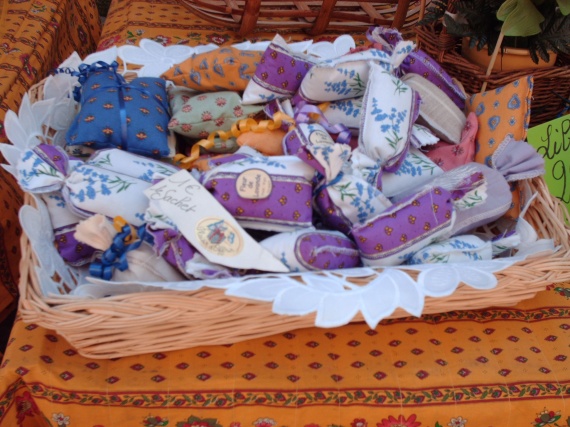
Dried lavender in a marché in Provence. Source: 123rf.com

Kiki Eau de Parfum opens on my skin with a sonic boom of sharp, pungent, herbal, almost medicinal, dried lavender. In less than a minute, however, it is infused by a strange, intense sweetness that just barely hints at being caramel. The bitter, harsh dried lavender of the sachets that plagued my childhood summers — the exact type of lavender I despise the most — is on full show here. It continues unabated for a few minutes until suddenly, drastically and quite dramatically, it starts to soften. It’s now slightly gentler, warmer, sweeter, rounder, and subtly flecked by a tart, tangy fruitness and by the merest floral whisper from the geranium. 

The fruit notes are interesting. Fresh citruses are mixed into the tart, tangy, sweet, and slightly musky character of the passion fruit. Quickly, they start to infuse the lavender, creating a potent bouquet of bracing, sharp, pungently dry, forceful, but sweetly fragrant lavender with tart, sensuously musky passion fruit and general sweetness. The caramel, patchouli, and subtle, slightly spicy, floral tones of the geranium work in the background, having an indirect effect but never being forcefully noticeable in their own right. It underscores how well-blended Vero Profumo fragrances always are, but it also marks the beginning of something that becomes problematic later on: blurriness. We’ll get to that later. 

Lavender at a Provence marché. Source: Picstopin.com

Sachets of dried lavender at a Provence marché. Source: Picstopin.com

Ten minutes into Kiki’s development, the only distinctive, individual notes are passion fruit and lavender ensconced in an amorphous, airy sweetness. It never feels as though there is full-on caramel in Kiki; there is nothing at all like the rich, heavy, unctuous gooeyiness of the caramel you find in desserts. Actually, it rather feels as though the caramel is infused with vanilla, whipped into a frothy, bubbly, foam-like airiness. It’s extremely pretty, but very subtle. So subtle that it fails to ever fully tame the forceful pungency of that lavender. Even with the sweet notes that infuse it, the lavender is still too much like those Grasse dried sachets of my nightmares with their sharp, abrasive, aggressive, herbal blasts that assault everything they touch. (Maybe I need therapy for my feelings of hostility towards the poor plant?)

Kiki continues its bilateral focus for a while longer. At the twenty-minute mark, the perfume is bracing lavender, soft lavender, sweetened lavender, and fruity lavender, lightly infused with sweet musk and sweetness. If my words sound repetitive and redundant, it’s because they’re meant to be. Kiki is primarily and predominantly one singular theme with only minor, subtle variations. In the background, hints of citruses twinkle like dainty, tiny lights one sees in distant hills. Soft patchouli darts around like a firefly. A very pretty, plush, warn, snuggly softness stirs at the base, feeling as cozy as a cashmere throw. The whole thing is subsumed into a very powerful, potent, forceful combination that is, simultaneously, very airy and very lightweight in feel. Objectively, it’s very pretty; intellectually, I can’t find any of it to be very complex or interesting.

Less than an hour into Kiki’s development, it all starts to turn a little hazy. The perfume’s texture feels creamy, soft, and smooth, but the notes are increasingly blurry. There are a lot of very well-blended perfumes where the elements don’t feel quite so nebulous, intangible, abstract and amorphous. At least, not quite so soon. Kiki has turned into an almost hazy blur of soft, sweet, musky floralness that just barely hints at lavender. Once in a blue moon, the vanillic caramel pops up like a ghost to feel a little more concrete, but it is incredibly fleeting. There is a sweet musk, presumably from the passion fruit, but it has no concrete basis. Even the hint of lavender feels like a flittering, darting thing that you’re trying to grab onto, but it keeps slipping away. It’s an exercise in frustration to pin anything down beyond the general, abstract, creamy, floral sweetness. Even Casper the Friendly Ghost has more structure to his shape and form.

That’s all there is to Kiki on my skin. For the next few hours, its mellow, creamy, floral sweetness darts about like a will o’ the wisp, becoming closer and closer to the skin. It’s a pretty smell, but it’s nothing more than that. The word “boring” actually comes to mind. Exactly 3.75 minutes into the perfume’s development, Kiki is nothing more than sweet, musky vanilla on my skin. It lingers on, soft as a gauzy whisper, for another few hours, then dies completely just over the 6.75 hour mark.

Some of you may think that I can’t objectively and fairly judge a perfume that is centered around a note I dislike so much. You may have a point. However, if reviewers only focused on things they knew they would like, then every magazine, newspaper or website would have to hire thousands of sub-specialists. That’s simply not reality. Perfume reviewing is, by its very nature, even more subjective than most fields, but that doesn’t mean my issues with a particular note automatically doom a fragrance. I loathe ISO E Super, but I’ve given good reviews for a number of fragrances with the dreaded note. I am not a passionate iris fan, but that hasn’t stopped me from loving a few perfumes built around it, either. And, regular readers will know that I have very much appreciated a couple of fragrances which showcased lavender. I gave enormous praise to Histoires de Parfums‘ 1725 Casanova, a lavender aromatic fougère which just barely straddles the gourmand category with its vanilla. It’s lovely enough that I’ve actually considered wearing it. I also greatly admired and liked Santa Maria Novella‘s Ambra which has lavender with neroli and birch tar. And I’ve adored a number of fragrances that have clary sage, a lavender-like plant, or which have featured lavender in conjunction with other notes. So, I don’t hate all perfumes with lavender, but they have to be really good ones to get over my lack of enthusiasm for the note.

At the end of the day, Kiki simply isn’t all that special in my opinion. What manifested itself on my skin was pretty, yes, but it’s neither interesting nor complex. I think the whole thing actually verges on the plain and banal. And that is a far greater problem to me than a brief twenty-minute struggle with the lavender at the beginning. So, Kiki is a complete pass. I’ll stick to Vero Profumo’s honey-vetiver chypre, Onda, whose complexities, nuances, range, and beauty made my jaw drop. It’s a brilliant fragrance that has my heartiest admiration, intellectually and emotionally. Kiki does not.


DETAILS:
Cost & Availability: The Kiki fragrance being reviewed here is only the Eau de Parfum version and retails for $200 or €125 (often more from different European vendors) for a 50 ml/1.7 oz bottle. In the U.S.: Kiki is available at Luckyscent for $200 for a 50 ml/1.7 oz bottle. (The Vero Profumo website does not seem to sell the perfumes.) Outside of the U.S.: the Vero Profumo Facebook page offers a whole list of European retailers from Kiev, Russia, to Oslo, Norway, and Italy. It also adds: “Since 2010 distributed worldwide by Campomarzio70 in Rome Italy, in selective boutiques and perfumeries such as ROJA DOVE, Harrods Urban Retreat London, JOVOY Paris, Parfums Rares and many more.  Campomarzio70, marketing@campomarzio70.it will inform you where you find the nearest retailer in your country.” I checked the website for Campomarzio70 and it doesn’t seem to sell the perfumes online, since I could find no “online cart” (so to speak), no pricing options or no way to purchase the perfumes, but you can try to check for yourself. In the UK, you can find all Vero Profumo perfumes at Harrod’s Roja Dove Haute Parfumerie, but there is no online website through which you can purchase perfumes. (It is not the same site as the Harrod’s website.) You can also find Kiki (and the full Vero Profumo line along with samples) at London’s Bloom Perfumery which sells the Eau de Parfum for £138.00. In Paris, at Jovoy Paris, Kiki retails for €145. In the Netherlands, you can find it at Leanne Tio Haute Parfumerie where it costs €150. In Italy, you can find it at Alla Violetta boutique for €125. Germany’s First In Fragrance sells Kiki EDP for €150, but they also carry the complete Vero Profumo line, offers sample sets, and ship throughout the world. Samples: I obtained Kiki from Surrender to Chance as part of Vero Profumo Three-Perfume Sample Set (Onda, Rubj, and Kiki); the set is only for the EDP concentration and prices begin $13.99 for a 1/2 ml vial of each. Surrender to Chance also sells Kiki EDP individually starting at $5.99 for a 1/2 ml vial, and up.