Random Blog Stuff, Serge Lutens & Surrender to Chance Sale

Hello everyone, I hope you’re having a good week! Just a quick post about random stuff:

The Hairy German before the big medical center. You can tell he knows nothing good is in store for him....

The Hairy German before the Small Animals medical center at Texas A & M. You can tell he knows nothing good is in store for him….

First, my normal reviewing schedule will be very off this week, as I have an old childhood friend from Monaco who is in town for a few days and I haven’t seen him in ages. Plus, I’m on a bit of a roller coaster as it pertains to The Hairy German’s health. My seventh surgical attempt to get him the badly needed hip implant failed 10 days ago, so I’m now juggling various medical suggestions, and will probably go to see a whole new set of specialists and surgeons. From four doctors, he’s now going to have a whole lot more. I think I’m more exhausted by the whole thing than he is!

Second, and in perfume news, Surrender to Chance is having a sale on some brands. Most of you get their email notifications, but this one was only posted on their Facebook page from what I can tell. The sale is 15% off ALL Serge Lutens, Etat Libre d’Orange, and Byredo products. The code is: SergeEtatByredo and the sale ends on July 11th at midnight, Central U.S. time, so that is 10 p.m. for those of you on the West Coast and 1 a.m. on July 12th for those of you out East.

Now, the code cannot be combined with their normal and usual promotional codes. They do offer a way around it though:

If you want to order some fragrances that are on sale this week and other fragrances not on sale using the July discount codes, you will need to place two separate orders, but just note on one that you would like the orders combined, and we will refund your shipping charge on one of them!

In addition, they have the Daily Chance special on the new Le Labo Ylang 49 fragrance that I reviewed recently. It is 8 mls for $19.99 (normally $26.99). The general July discount codes are as follows:

5% off with code Sparkler

8% off orders totaling more than $75 with code Hotdog

Now, given my slight … er…  fondness… for Serge Lutens, I’ve decided to do (at least) seven days worth of Serge Lutens in a row, starting next week. Maybe even more than seven, though I don’t think I’ll manage every single day in a row, given the length of my normal reviews and the fact that Serge Lutens fragrances are often more complicated than most. (Even I have to sleep once in a while!)

I’m going to review quite a bit of the non-export, Paris Exclusives line, which is clearly an exercise in frustration, futility, and financial masochism. Honestly, I don’t expect those reviews to engender more than a mere shrug or intellectual curiosity, given that the perfumes are only available in the U.S. for a massive mark-up at $290 instead of the usual Euro price of €120. But I’ve wanted to try some like Mandarine Mandarin, Bois de Violette, La Myrrhe, SarrasinsIris Silver Mist, and others for ages. There is also Fumerie Turque that I’ve meant to review for a while, but which has somehow gotten shunted to the side all too often.

I also have regular import Lutens fragrances as well, like Musc Kublai Khan, Ambre Sultan, Fille en Aguilles, Rousse, Un Bois Vanillé, and Cedre, so that will alleviate the frustration of being tempted by a bell jar exclusive. I’ll pick and choose amongst them, but if you want to give a shout out for a favorite to make sure that it is covered, let me know. (Sarrasins, Mandarine Mandarin, Ambre Sultan and Fumerie Turque are certainties for immediate review.) Bottom line, I’m afraid you’re going to be stuck with my obsession for all of next week, though I really will try not to give you 10 days of Serge Lutens. (How I am tempted!) I’m fully aware that some of you are not quite as enamoured with Uncle Serge as I am, so I will try to restrain myself…

ZolaSummer

His Highness

Lastly, I have been (and will continue to be) a little behind in replying to comments this week, so I hope you will forgive me and accept my apologies. It’s been very hectic between The Hairy German’s medical issues, entertaining my friend, making plans for my holiday trip back home to Europe in the fall, and trying to catch up on some sleep so I don’t collapse. I promise I will reply to things as soon as I manage to come up for air.

So, that’s that with housekeeping and blog stuff. Are you tempted to get anything from Surrender to Chance in their special Lutens, Byredo, or Etat Libre sale? Or samples from any other line? Have you encountered any perfume that had made you weak in the knees? If so, what is it?

Perfume Review – État Libre d’Orange Fils de Dieu

He brings the sun.

etat libre d'orange fils de dieu perfume bottle and boxBringing the warm joyousness of the sun by way of a perfumed ode to the Asian tropics — an ode that sparkles with the very brightest of zingy, crisp citruses; that luxuriates in the creamy sweetness of sticky coconut Thai rice; and that strokes you with the velvety headiness of jasmine, before turning into a soft, golden, amber embrace. That is the journey offered by Fils de Dieu, a unisex eau de parfum from the whimsical, playfully avant-garde, often satirical, always provocative French perfume house, État Libre d’Orange (hereinafter just “État Libre“). The perfume’s full name is actually Fils de Dieu, Du Riz et Des Agrumes which means “Son of God, of Rice and of Citruses” and, to make matters a little more confusing, used to be called Philippine Houseboy. (Terrible name! Thank God for the change.)

Fils de Dieu was created by Ralf Schweiger, and was released in 2012 to much acclaim, landing in the Top Five of CaFleureBon‘s Best Perfumes of 2012 list. The perfume veers far outside the parameters of my usual style or preferences, but I actually like it and think it would be a great, easy, casual summer scent.

État Libre describes Fils de Dieu and its notes as follows:

He brings the sun.

Fils de dieu comes from the Philippines to spread a message of warmth and enlightenment. Here, find an innocent wisdom that points to dreams and liberation. This is the golden eye that reflects beauty and conflict, rapture and pain. Fils de dieu is an emotional fragrance, a scent that requires a sympathetic connection between the server and the served, the giver and the taker, and the willingness to exchange roles.

Composition : Ginger, coriander leaves, lime, shiso, coconut JE, rice, cardamom JE, jasmine, cinnamon, may rose, tonka bean, vetiver, musk, amber, leather, castoreum…

I have no idea what “JE” stands for, but let’s move on. What caught my attention with Fils de Dieu is how it can be many different fragrances in one. I tested it twice — once in chilly, air-conditioned temperatures, and once in muggy warmth. The first time, and with the impact of the cold, I noticed Fils de Dieu had three, distinctly separate stages that can be summed up essentially as follows:

Stage One: Almost all crisp, aromatic citrus cologne notes – about 90% citrus, 8% lemongrass-y vetiver, and 2% jasmine;

Stage Two: Primarily jasmine in nature – about 75% jasmine, 15% citrus, 5% lemongrass-y vetiver, and 5% other notes;

Stage Three: A whole other perfume — fluctuating levels of vanilla and amber for the most part, followed by spices, a dash of castoreum, and flickers of other elements.

Yet, it was an entirely different matter when I turned off the air-conditioning (which was a painful experience given where I live), and let the tropical humidity do its work. In the sort of thick, wet air that must resemble Fils de Dieu’s Philippine inspiration, the perfume bloomed to become the sort of scent it was clearly intended to be: a slightly sweet ode to Thai food, interspersed with exotic, tropical, heady jasmine, custardy vanilla, citrus, spices, and sensuous warmth.

THE FIRST TEST:

Let’s start with the first test, where Fils de Dieu bewildered me by being a crisp, citrus cologne for the entirety of its opening. The perfume starts on my skin with fresh shiso that smells minty, just lightly peppery, and incredibly fresh. Within seconds, it is joined by zesty lime and bergamot, both shining brightly with an almost translucent radiance.

Source: onlyhdwallpapers.com

Source: onlyhdwallpapers.com

Fils de Dieu quickly softens, with the citrus notes fading to slightly more muted levels, and flecked with a bright rose tonality, along with the merest hint of airy jasmine. Then, the citrus comes back, stronger and heartier than ever, only this time headed up by bergamot. As always, its main companion is the lime, which feels a wee bit bitter now. Rounding out the top three notes is vetiver which has a very lemongrass-like nuance here, instead of its more common, rooty, dark, or earthy characteristics. Five minutes later, a rice note creeps in. It’s milky, barely sweetened, and evocative of boiled jasmine. The note is so insubstantial, however, that it really takes vociferous inhalations to detect it for the brief moments that it’s there.

For the next 90 minutes, Fils de Dieu is nothing more than a masculine sort of cologne on my skin. It’s citrus, more citrus, a dash of vetiver, a few drops of jasmine, and that mysteriously vanishing rice note. There is a minute, tiny, faint hum of synthetics at the base — something I’ve noticed in all Ralf Schweiger’s fragrances to varying degrees — but there are no spices, no vanilla, and absolutely no coconut whatsoever. I actually felt a little cheated, given all that I’d heard about Fils de Dieu’s supposed resemblance to Thai Curry. Well, not on me, at least not under chilly temperatures… Over time, the strength of the main notes varies (and, sometimes, the jasmine feels much more dominant), but, ultimately, there is no escaping the citruses and the cologne impression.
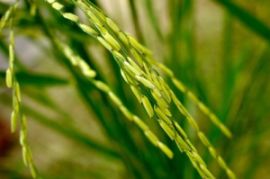
Rice stalk via nsf.gov

Rice stalk via nsf.gov

Then, 2.25 hours in, Fils de Dieu changes. Parts of my arm now emit faint traces of really sweet, boiled rice infused with jasmine; another part wafts jasmine with amber and a touch of castoreum; and a third (much smaller) part is simply nothing more than lemongrass vetiver and cool lime. It’s bewildering. Clearly, Fils de Dieu is a beautifully blended, well-crafted fragrance that reflects different notes at different times. But, for the majority of this test, it was “fragrant” in the most aromatic sense of the word, as something that was primarily citrus and jasmine in nature.

Salted Caramel & Nutella Rice Krispie Treats. Source: The Mini Baker. (Click on photo for link to website and the recipe.)

Salted Caramel & Nutella Rice Krispie Treats. Source: The Mini Baker. (Click on photo for link to website and the recipe.)

The slow progression of the scent continues, morphing slowly into its third and final phase. Around the third hour, Fils de Dieu turns into jasmine fragrance with a sweet, dry vanilla that has a lightly perfumed finish and the merest hint of cinnamon. At the four-hour mark, however, the perfume has a complete metamorphosis, turning into an ambery butterfly with an almost boozy edge. It’s plush, nutty, infused with cardamon and cinnamon, and has a distinctly toffee undertone. The rice note pops up again, but this time it’s toasted; it smells a little like Rice Krispies would — if they were covered by toffee, cinnamon and amber.

Source: layoutsparks.com

Source: layoutsparks.com

The amber is beautiful here, with the sort of rich depth that you’d normally find in ambergris — but without the salty, marshy, slightly sweaty characteristics of the element. I chalk the rich depth of the note to the castoreum which definitely accounts for the subtle tinge of sweet musk lurking around Fils de Dieu’s edges. Underneath the amber is the lightest suggestion of leather that feels very smooth, supple, warm, as if it had been burnished by sweet resins. There is no longer any vanilla to distract from all the gold, bronze, umber visuals. As time passes, the perfume continued to soften and the notes turn more abstract.

A little short of 8.25 hours in, Fils de Dieu finally fades away, nothing more than musky, ambered sweetness. Its sillage was moderate at the start, continued to drop after the first hour, and then faded away to a skin scent around the middle of the fifth hour. The truly astonishing thing, though, is the degree of change. Between the spices, the languorous, castoreum-infused resins, the sweetness, and the plush richness of the scent, Fils de Dieu did a complete 180 from its opening as a crisp, citrus cologne. You couldn’t get a more drastic change — which is why I decided I needed to test the perfume under very different conditions.

SECOND TEST:

For my second test, I turned off the air-conditioning, opened the windows, and let the humidity of the muggy swamp outside invade my office. The heat wave has left, so the difference in internal temperature according to the thermostat only seems to be about 16 degrees, but the humidity is easily close to 90%. And what a difference that made to Fils de Dieu! It suddenly turned into the fragrance that it was supposed to be.

Shiso Leaf and Lime. Source: Sweetfineday.com (Link to website embedded within photo.)

Shiso Leaf & Lime. Source: Sweetfineday.com (Website link embedded within photo.)

Once again, Fils de Dieu opens as a citrus scent with the brightest of green notes. There is shiso leaf with its lightly peppered, minty aroma, followed by lemon and bergamot – both as airy, fresh and bright as a blade of grass. A quiet sweetness soon infuses the notes, turning them into something warmer, richer, and less crisp. Hints of vetiver, still with a lemongrass nuance, creep in. So do the lightest hints of vanilla and ginger (something I never detected at all in my first test).

Coconut Lime Rice Custard. Source: medifoods.co.nz -

Coconut Lime Rice Custard. Source: medifoods.co.nz –

But then, it all changes, and far more quickly than it did the first time around. No less than twenty-five minutes into the perfume’s development, Fils de Dieu turns into a scent that is primarily sweet rice boiled in coconut cream and sprinkled by a light veil of jasmine! The bergamot, lime, and light green herbs are still there, but they are mere seasoning to accentuate the main dish.

Double boiled coconut cream dessert via womenworld.org.

Double boiled coconut cream dessert via womenworld.org.

The rice note is strong, sweet and lactonic, infused by coconut that feels, simultaneously, both like the light, delicate milk, and the richer, buttery cream. At the same time, there is a strong flutter of lemon-tinged coriander leaves at the back; the ginger feels slightly sweetened; and the vanilla takes on an eggy, custard richness that’s speckled with lime. Good heavens, what a sharp contrast! Fils de Dieu remains that way for hours and hours, fluctuating only in the degree of some of its notes, but never changing its primary essence. On occasion, cinnamon will make a small appearance, but that’s about the only difference.

Coconut Lime Rice Pudding Brulee via Becks & Posh blogspot. (Click on photo for the recipe and website link.)

Coconut Lime Rice Pudding Brulee via Becks & Posh blogspot. (Click on photo for the recipe and website link.)

Then, around the end of the fourth hour, there are changes. The rice note goes from milky sweet to something that is toasted and, again, strongly calls to mind Rice Krispies. It is covered with a light toffee and with a vanilla note that is still custardy but, now, it also has a powdery aspect to it. All the notes sit atop a base of plush amber that has been enriched by the warm, light, musky, velvety aspects of castoreum, along with cardamom and cinnamon. It’s all very muted, light, soft and very sheer — and quite a contrast to the rich, heavier, deeper base of Fils de Dieu during the cold temperature test.

Clearly, the humidity sucked all the richness out of the amber marrow because the drydown never reached the same depths with the heat. Starting in the sixth hour, the perfume feels more like simple, generic, uninteresting amber with some sweetness and musk. In its final moments during the second test, as in the first, Fils de Dieu was just sweet muskiness, and nothing more. Oddly enough, the heat seemed to extend the lifespan of the scent which lasted 11.25 hours on my skin, instead of 8.25. I can’t quite understand it because it seems like it should be the reverse, unless the heat just makes the musk bloom. As for the sillage, it was even softer than usual with the heat.

OVERALL:

The differences in the test show something beyond just the impact of climate. They demonstrate just how well-blended the fragrance can be, throwing off different notes under different conditions. In all cases, however, the perfume didn’t feel wholly and completely gourmand in nature, despite the foodie resemblance to certain Asian dishes. The simple reason is that Fils de Dieu isn’t massively sweet; the citrus elements help ensure it never verges on the cloying and keep an element of freshness about the scent. And it really is a very fragrant one, in the best sense of the word.

Is Fils de Dieu revolutionary, edgy, and funky? Absolutely not! Is it cozy, comforting, incredibly easy to wear? Definitely. I don’t know how often one would normally want to smell like Fils de Dieu’s more rice-centered notes, but I think the perfume’s different personalities give one some options. Its more zesty, aromatic, citrus freshness in cold temperatures makes me think that those who want to avoid a “foodie” scent can use it in cooler weather, while those who enjoy the sweetly lactonic, rice and jasmine aspect can opt for the summer months to let it really bloom. 

There seems to be quite a bit of love for Fils de Dieu in the perfume community, but there are also plenty of people who don’t find it all that interesting. For example, Now Smell This was distinctly unimpressed, with Kevin writing:

Fils de Dieu opens with gingery lime, and “green” coriander and pungent shiso leaf. As the sprightly opening notes begin to disappear (and they disappear fast), the scent of “nutty” coconut makes a brief appearance and then…? Fils de Dieu begins to disappear. Was that IT?

Fils de Dieu is one of those scents that falters and then makes a comeback. After the opening fizzles, the comeback notes are mild jasmine, hazy vetiver, dry, tonka bean-scented rice (to my nose, this is more a toasted rice note, not steamed rice or rice pudding) and…leather (the most “background,” powdery, see-thru leather note you can imagine). Fils de Dieu’s rose note is very mild; it disappeared quickly on my skin, but I could detect it on my shirt for hours. Fils de Dieu’s base notes smell of shamefaced musk (certainly not the bold castoreum I was expecting) mingling with a light amber-y accord. […][¶]

Fils de Dieu is only semi-tropical and, for me, doesn’t conjure a houseboy, a sunny god, or the Philippines (or any Southeast Asian locale).  Fils de Dieu does remind me of old-style, lightly spiced white floral feminine French perfumes from long ago.

I wonder if he tried it with the air-conditioning on? Like him, I smelled nothing tropical in my first test either, though I did have that wonderful drydown with the chilly temperature which seems infinitely better than what he got. Oddly, CaFleureBon‘s experience seems to be a mixture of both of mine together:

The Asian vibe is accentuated right from the top notes of Fils de Dieu as a tart lime and smooth shiso leave no doubt about what part of the world your nose is located in. Ginger and coconut join in to add a tropical facet to the early going. The shiso and the coconut really are the stars in the top notes. M Schwieger chooses only one floral note for Fils de Dieu; jasmine. He surrounds the jasmine with a steamed rice accord and a spicy duo of cardamom and cinnamon. The rice accord is beautifully realized and M Schwieger uses it to add a palpable humidity to the heart of Fils de Dieu. The base notes are animalic but kept exquisitely balanced and well controlled. Leather, musk, and castoreum create a slightly sexual accord over a healthy foundation of vetiver and amber.

Over on Basenotes, the tropics and food also seem to be the main conclusions of the day — but few consider Fils de Dieu to be as nuanced or as good as CaFleureBon did. Most of the commentators talk about Thai food or curries, though one found Fils de Dieu to be primarily citruses and vanilla that turned a little coconut-y at the end to create an average, spicy oriental that, in his opinion, veered sharply from État Libre’s best. Food — and rice, in specific — are also the focus at Fragrantica where, unlike at Basenotes, the posters generally seem to adore Fils de Dieu. One commentator found the fragrance to be primarily jasmine and vanilla, but the majority experienced the full complement of notes, with a number talking about the rich, musky, amber drydown.

I don’t like very foodie scents and I cannot abide anything gourmand, but I would wear Fils de Dieu. Granted, not all that often, but it’s an easy, uncomplicated comfort scent in my opinion, and I enjoyed different parts of each of its split personalities. For me, the sweet, heady jasmine and the zesty, fresh citruses prevent the fragrance from verging too heavily into either problematic category. Once Fils de Dieu loses its purely shiso-lime-bergamot facade, the overall bouquet keeps you coming back for one more sniff. Plus, it’s thankfully not sweet enough to be a true dessert scent. And, it’s very affordable, too! That said, I would not recommend Fils de Dieu to someone who dislikes even minor foodie elements in their perfume, nor to someone looking for a highly complex, sophisticated scent. Also, I think that a man who doesn’t like sweeter floral fragrances may find Fils de Dieu to be a little feminine in nature, despite the citrus top notes. But if you’re looking for a casual, cozy, sunny fragrance, give Fils de Dieu a try. You just may want to turn decrease the air-conditioning when you do so….


DETAILS:
Cost & Availability: Fils de Dieu, du Riz et Des Agrumes is an eau de parfum that is most commonly available in a 1.7 ml/50 ml size, but which can also be purchased directly from Etat Libre’s website in a large 3.4 oz/100 ml bottle as well. The prices listed there are in Euros: €69.00 for a 50 ml/1.7 oz bottle, and €119.00 for a 100 ml/3.4 oz bottle. Samples are also available for €3.00. In the U.S.: Fils de Dieu can be purchased from LuckyScent for $80 for a 50 ml/1.7 oz bottle, with samples for $3, and from MinNY. You can also purchase it from Parfum1 which offers free domestic shipping. (International shipping is available for a fee.) Outside the U.S.: You can purchase Fils de Dieu from Etat Libre’s new London store at 61 Redchurch Street, as well as from its Paris one located at 69, rue des Archives, 75003. Elsewhere in the UK, I found Fils de Dieu on the NkdMan site for £52.50 for the 1.7 oz/50 ml bottle and with free UK delivery. It is also sold at London’s Les Senteurs for £59.50, with samples also available for purchase. In Germany, Fils de Dieu is available at First in Fragrance in the small size for €69. The site ships worldwide. In the Netherlands, I found it at ParfuMaria in the large 100 ml size for €119. In Hungary, I found it at Neroli Parfums, while in Italy, it’s available at ScentBar and in Spain, it’s sold at The Cosmeticoh. In Russia, I think it’s sold at iPerfume, but I can’t read Cyrillic to see if it’s available for online purchase. For all other locations or vendors from Canada to the Netherlands and Moscow, you can use the Store Locator listing on the company’s website. Samples: you can order a sample of Fils de Dieu from Surrender to Chance where prices start at $4.75 for a 1 ml vial.
Perfume Review- Serge Lutens Santal Majuscule

There is a special beauty to sandalwood from Mysore, India. It’s incredibly rich, smoky, fiery, spicy, buttery, creamy, and undulating with sensuous depth. It’s a vision of red and bronze, and its incredibly smooth, luxurious aroma can’t be replicated by anything. Which is not only a damn shame but a huge problem as well, since the wood is so rare at this point that it might as well be extinct for the purposes of most commercial perfumery. Simply put, few perfumers can afford the real stuff, so they try for substitutes. The most common alternative is Mysore’s cousin, Australian sandalwood, whose creamy beigeness pretty much epitomizes its scent. It’s arid, endlessly beige, generic, and nothing spectacular.

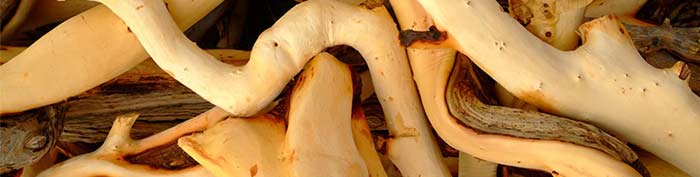
Source: Mountain Rose Blog, sellers of Australian sandalwood essential oils. http://mountainroseblog.com/choose-australian-sandalwood-essential-oil/

Australian sandalwood. Source: Mountain Rose Blog, sellers of Australian sandalwood essential oils. http://mountainroseblog.com/choose-australian-sandalwood-essential-oil/

The same description applies to Santal Majuscule, the relatively new, sandalwood fragrance from Serge Lutens, and to its main problem in my eyes. Santal Majuscule is supposed to be sandalwood writ large, with even its name translating to “sandalwood with a CAPITAL letter!” But it’s not Mysore sandalwood, and the beige, chemical-laden, dry, generic woodiness that it does incorporate really isn’t very good at all.

Source: Serge Lutens via Facebook.

Source: Serge Lutens via Facebook.

Santal Majuscule was released late in 2012 as a sandalwood alternative for Serge Lutens’ export line, meaning it would be available worldwide. Created by Christopher Sheldrake, it is a scent that is supposed to be all about fairytales with a long video (read by Serge Lutens) about a little nine-year old boy in armour on his horse who brought life to gold, flowers and fire. On his website, Serge Lutens more succinctly describes the scent as

Sandalwood written in capital letters, full scale and life sized!

Oboedi silentiis meis non imperii: “Do not obey my orders, obey my silence”.
Turning powdery under the influence of bitter cacao, the sandalwood plunges deep into a velvety trap.

Serge Lutens Santal MajusculeThe perfume’s notes aren’t complicated and, according to both my nose and Luckyscent, seem to be:

Sandalwood, rose, cocoa, tonka bean and immortelle [my addition, and something also noted by a few other blog reviews].

The very first flicker of Santal Majuscule on my skin is of rose. Beautiful, sweet, tender and visually pink, it almost immediately turns a little dusky through a heaping dose of cocoa powder. The latter is glorious and, initially, so dark that it almost evokes a coffee bean or mocha. Quickly, the cocoa-laden rose is joined by immortelle which has a definite maple syrup undertone.

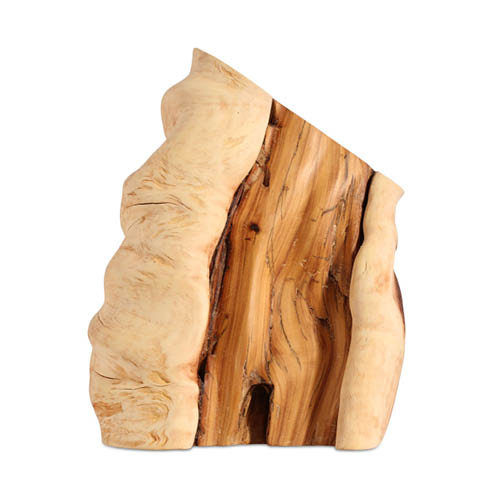
Pure Australian sandalwood timber. Source: tfscorporation169.en.ec21.com

Pure Australian sandalwood timber. Source: tfscorporation169.en.ec21.com

Then, a sharp, acrid, synthetic and very chemical-smelling starts to bully its way in. It comes from the wood, and is harsh, peppered, and ever so lightly touched by ISO E Super. That’s actually not the problem at all. Rather, it’s the damnably acrid, almost pungent, incredibly strange and weird nuance to the sandalwood. I have to wonder if Lutens and Sheldrake used something similar to the supposedly sustainable, new kind of Australian sandalwood that Frederic Malle featured in his Dries Van Noten, because the wood note feels very much the same here: creamily generic, artificial, and reeking of a faintly gourmand sweetness. Here, however, the wood is also infused with a sharply chemical edge. The blog, State of the [Car]nation, had a review very aptly (and amusingly) entitled: “Ceci n’est pas santal – Santal Majuscule by Serge Lutens” in which he wrote:

So this is a spicy woody floral, but the wood is just another conventional accord dominated by the soft textures of cashmeran, iso-e-super and the likes. There is nothing here close to an actual Mysore sandsalwood note.

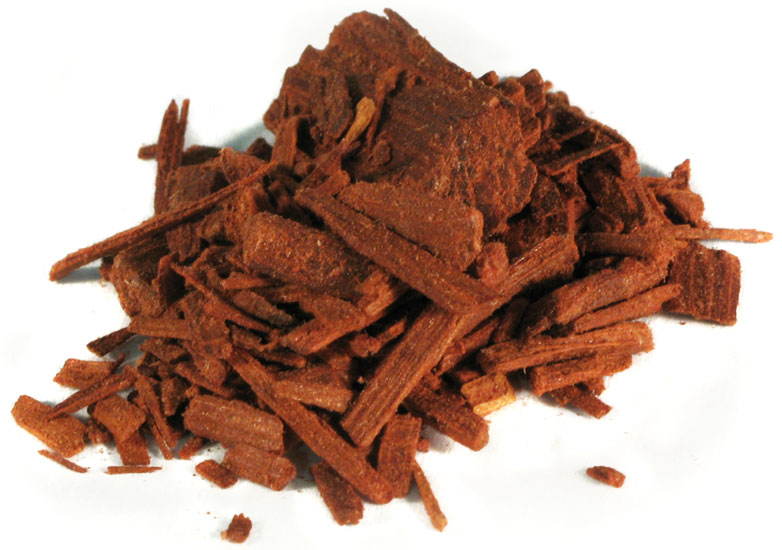
Real Mysore sandalwood in chips and slivers. Source: huile-essentielle-biologique.fr

Real Mysore sandalwood in chips and slivers. Source: huile-essentielle-biologique.fr

Now, I understand that real sandalwood is just a perfumista’s pipe-dream these days (unless you opt for Neela Vermeire‘s stunning creations which abound with gallons of the real thing), but the problem with Santal Majuscule is not the absence of Mysore sandalwood so much as it is the chemical underpinnings to the substitutes. I truly wouldn’t be surprised if Santal Majuscule’s Australian sandalwood was supported by cashmeran and similar wood synthetics, as detected by the other blog. Again, there is nothing wrong with seeking out alternatives, but why the hell do they have to smell so unpleasant here?

In those opening moments, the notes flit about like moths around a flame. The glowing light — and the best part of the perfume — is the cocoa powder which sits like a Buddha as the rose and immortelle dance around it. An odd, buttered note creeps in, smelling almost like an incredibly rich, buttered biscuit or cookie. The rose starts to change, feeling almost more like dried petals than anything syrupy or jammy. It has a peppery bent to it, thanks to the incredibly subtle tinges of ISO E Super at the base, and it starts to be a little less of a wallflower.

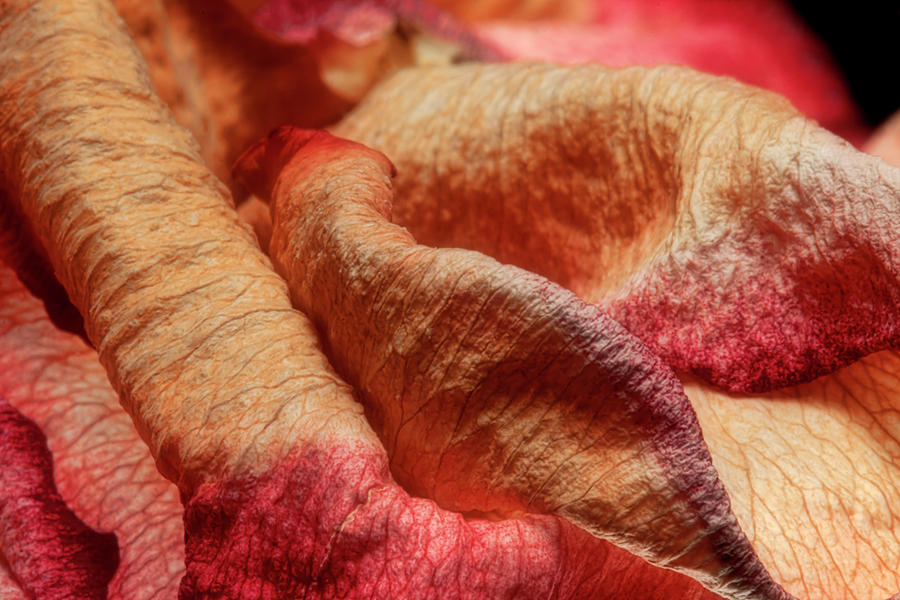
"Dried Rose Petals" by Tom Mc Nemar via Fineartamerica. http://fineartamerica.com/featured/dried-rose-petals-ii-tom-mc-nemar.html

“Dried Rose Petals” by Tom Mc Nemar via Fineartamerica.
http://fineartamerica.com/featured/dried-rose-petals-ii-tom-mc-nemar.html

The most gorgeous part of the perfume, in my opinion, however, is the cocoa. Simply lovely! Though it started out feeling so dark that it almost had a coffee bean element to it, now, the powder is sweeter, richer, and verging on the most expensive milk chocolate. It doesn’t reach that level of sweetness, though — nothing about Santal Majuscule is really gourmand in nature thanks to the dryness — but the cocoa is much richer and creamier than it was at the start.

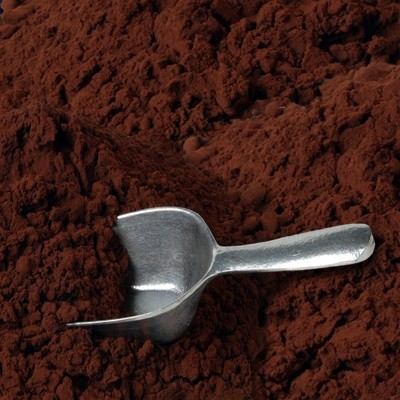
Unsweetened cocoa powder. Source: wellsphere.com

Unsweetened cocoa powder. Source: wellsphere.com

Twenty minutes in, Santal Majuscule changes a little in the underlying nuances. The wood loses a bit of its chemical pungency, turning sweeter and just barely less dry. Now, it feels like a blob of generic, beige woodiness with some sweet undertones. No, I’m not a fan, and no, it’s not because I’m a sandalwood snob. (Well, maybe just little….) It simply isn’t all that special, and it certainly doesn’t feel like the star of the perfume, let alone warranting the title “Sandalwood with a capital letter.” It’s more as if the sandalwood is a mere accessory to the real stunner in this fragrance: the cocoa powder. In the background, the immortelle loses its maple syrup undertone, changing into its more floral counterpart. The light, almost herbal, dry, woody elements to floral immortelle balances out that flittering butter cookie note, but neither one is very prominent, especially as compared to the sweet, dried roses.

What’s interesting is that the overall combination of notes creates a strong impression of something that almost verges on nutty, gingerbread cake. You know the sort of moist banana bread loaf? Here, it’s a bit like that, only there is a touch of ginger in it, creating an overall moist, just barely sweetened, nutty, bread note. Again, I’m reminded of Malle’s Dries van Noten with its odd, sustainable Australian sandalwood note that was dry, creamy, sweetened, and the foundation for a fragrance that smelled very much like snickerdoodles on my skin. While that perfume had a significantly more foodie, gourmand character to it, there something of the same feel to Santal Majuscule. I chalk it up to the ersatz sandalwood.

Santal Majuscule remains the same rose-cocoa-sandalwood accord for the next seven hours. Only at the end does it change a little, turning into amorphous, dry woodiness. All in all, it lasted just a little over 8 hours on my skin, with initially moderate sillage that turned into a skin scent midway towards the end of the third hour. At no time was I bowled over by any of it. Santal Majuscule isn’t a bad fragrance, but it’s nothing spectacular or very interesting. It’s simple, uncomplicated, and pleasant, I suppose, with a truly lovely cocoa powder element, but that ersatz sandalwood… ghastly. No, it’s definitely not my personal cup of tea.

There seems to be a split in opinion on Santal Majuscule with one half of the reports I’ve read loving it, and the rest dismissing it (for much the same reasons I have). The first thing everyone does is bring up Jeux de Peau, another Lutens fragrance which is supposed to have a few surface similarities. I haven’t tried it, so I can’t comment, but the consensus seems to be that the two perfumes are ultimately nothing alike and that Jeux de Peau is gourmand, richer, more bread-like, and heavier, while Santal Majuscule is drier and with different core elements. Others put Santal Majuscule in the context of Lutens’ other two sandalwood fragrances which are Santal Blanc and Santal de Mysore. I haven’t tried those either, so again I can’t comment, but the conclusion seems to be that Santal Blanc is significantly sweeter and whiter, while Santal de Mysore is more spicy, fiery, smoldering and dark. Perhaps that is why, over at CaFleureBon, Mark Behnke considers Santal Majuscule to be the case of Goldilocks’ sandalwood, fitting in as the perfect middle version. 

Other assessments are more ambivalent. There is an even split at Basenotes, where some adore it, while others shrug and say it’s pleasant but uninteresting. Damning with faint praise seems to be the order of the day, even at Now Smell This which asked where the hell is the sandalwood? In a review which finds Santal Majuscule to be perfectly pleasant, but not inspiring much ardent enthusiasm, Kevin astutely concludes:

Overall, Santal Majuscule presents a mix of ‘seasoned’ woods and rose. But, as with Santal de Mysore, I must ask: where’s the sandalwood? There does seem to be a “sandalwood-like” aroma simmering under the roasted woods, rose and gourmand notes, but it never gets a chance to shine (or shimmer). Santal Majuscule smells most like sandalwood two hours after application when the wood turns sweet with tonka bean. I personally like an open-faced sandalwood fragrance in my perfume ‘arsenal’ and Santal Majuscule doesn’t qualify. Still, I enjoyed wearing Santal Majuscule and recommend it to those who want an “ornamented” sandalwood fragrance…accent on the ornaments, not the santal.   

I think that the driving issue in how you will feel about Santal Majuscule will be your feelings on actual sandalwood. The people who seem less enthused by the fragrance seem to be those who really love true, real Mysore sandalwood. In the comments to the NST review, a few people didn’t like the “synthetic” or “jangly” edge to the woods used in Santal Majuscule, while others adored how it was softer, “cozy” and uncomplicated. It is indeed all those things, combined. And that’s why reviews on Fragrantica swerve from one end of the spectrum to another. On the one hand, we have comments (with which I fully agree) about the “wood alcohol scream of the sandalwood[,]” and how the “onset of loud, agressive and overall, not pleasant sandalwood ruins it for me.” On the other, there are raves about how Santal Majuscule is a “marvelous sandalwood perfume,” and how its “dryness and woodiness is simply breathtaking and the hint of powdery cacao makes this like a warm and cozy blanket.” There is similar adoring praise for the fragrance at MakeupAlley which rates it at an incredibly high 4.7 out of 5.

Personally, I found Santal Majuscule to be a massive disappointment, but I think the majority of people will love it, especially if you like sandalwood to be a mere side dish to other notes. If you enjoy the element when it’s soft and white, with just barely sweetened touches and some dryness, then you should definitely seek out Santal Majuscule. Those who prefer cozy fragrances with minimal sillage and light airiness that sits close to the skin will also probably find Santal Majuscule to be ideal. It’s a very versatile, wearable, office-appropriate, and unisex fragrance. It’s also an approachable, perfectly inoffensive fragrance that may be suitable for Lutens newbies as a way to start exploring the line, many of which are generally more nuanced, complicated, and complex. However, in my opinion, “perfectly inoffensive” doesn’t equal “fantastic.” If you’re a sandalwood fanatic, very passionate about the Mysore kind, and can also easily pick up the jangly undertones to more synthetic wood alternatives, then I don’t think you’ll be bowled over by Santal Majuscule. But try it, and who knows, maybe it will be your Goldilocks’ version of sandalwood.


Details:
Cost & Availability: Santal Majuscule is an eau de parfum that comes in a 1.7 oz/50 ml bottle that retails for $140, €99 or £83.00, but it is also available at a lower price through several reputable perfume discount sites. The lowest price comes from FragranceNet which sells it for $94.19 with an extra 15% off for first-time customers or with the coupon code RESFT5. I believe they ship all over the world. It is also available from Fragrance X for $113.95, and at a few other discounters for a higher price. For regular retail price, you can find it on the Serge Lutens website for $140 or on the Serge Lutens French site for €99. U.S. Vendors: In terms of other retailers, Luckyscent, Parfum1, Beautyhabit, and Aedes all offer Santal Majuscule for $140. It should be available at Barney’s too, but I don’t see it on their website. All those sites except for Aedes, I believe, ship worldwide and many, like Luckyscent, offer samples for purchase. Outside the U.S.: In Canada, Santal Majuscule is available at The Perfume Shoppe for CAD$135. In the UK, I found it listed at HarrodsHarvey Nichols, and House of Fraser for £83.00. In France, you can find it at Premiere Avenue for a minutely lower Euro price of €96 (instead of €99), or for a little more at Sephora France at €101.50. In Russia, I found Santal Majuscule at Ry7For the rest of Europe, I believe the Premiere Avenue site ships worldwide, but you may want to check via an email query. In Australia, Santal Majuscule is sold at Mecca Cosmetics, but I found it discounted on the Australia’s Hot Cosmetics website where the 1.7 oz/50 ml bottle seems to be on sale for AUD $135 instead of AUD $203. There are also other Australian discount sites, but I’m not familiar with them so you may want to check them out for yourself. For all other countries, you can use the Store Locator on the Lutens website. SamplesSample vials to test it out can be purchased at Surrender to Chance (where I bought mine) and start at $3.99 for a 1/2 ml vial. Many of the sites listed above also sell samples, as does The Perfumed Court. 

Perfume Review – Maison Francis Kurkdjian Oud: My Twilight Zone

“I must have the wrong sample! It must be the wrong perfume!”

“What is going on???!”

“Am I crazy?”

Those were a few of the bewildered thoughts going through my mind, as I tried on Oud by Maison Francis Kurkdjian (hereinafter sometimes just shortened to “MFK“). It is a perfume whose scent was so little like its title or notes that I was thoroughly confused and had to dig up a second sample. As I splashed “Oud” on my other arm and took another sniff, I simply couldn’t understand what was going on. “Surely this can’t be right??!” Frantic scribbles on my notepad ensued, followed by my unearthing a third sample that I’d gotten as part of an eBay niche variety set. After splashes on a wholly different part of my body — this time, my leg, lest the skin on my arms was at fault — I finally concluded that I must be a complete freak who lived in the Twilight Zone.

Source: fabiovisentin.com

Source: fabiovisentin.com

On my skin, Francis Kurkdjian‘s “Oud” is a neo-chypre floral fragrance centered around carnation and daffodils (with a light dash of rose), sweetened by spicy saffron and rendered somewhat candied by syrupy, fruited patchouli that evokes Concord grapes and, later, apricots, with a subtle sprinkle of lemon. The whole thing sits atop an extremely muted, almost imperceptible base of smoky, woody elemi, and is then subsequently covered by a massive, walloping veil of aldehydic soap with synthetic white musk. Does this sound like a spicy, oriental oud fragrance to you??! On me, there is only the faintest (faintest!) twinge of agarwood — and that’s only if I really push it. (Honestly, it’s really a strong case of wishful thinking.) I’m so bloody confused, you have no idea. If I didn’t have the exact same scent wafting up from 3 different parts of my body and from 3 different samples, I would chalk it up to mislabeling and vendor error. But no, whether it comes from Luckyscent (x2) or Surrender to Chance, Maison Francis Kurkdjian’s “Oud” is always an ersatz chypre floral on me, and an “oud” fragrance in the same way that a Yorkie is a German Shepherd.

MFK OudThe starting point for my confusion was the Maison Francis Kurkdjian website which described Oud and its notes as follows:

Safron – Elemi gum from the Philippines – Oud from Laos – Cedar wood frol [sic] the Atlas – Indonesian Patchouli

A fragrance story sketched between the fine-grained sand of the desert dunes, the fragrant harmattan wind and the star-studded night – an opulent Arabian perfume born from a western sensitivity.

Do you see a floral listed amongst those notes? A citrus? Any mention of fruits or musk? No, neither do I.

Source: Flowerpics.net

Source: Flowerpics.net

And, yet, Oud opens on my skin with fragrant florals infused by the most beautifully sweetened saffron and patchouli. The top notes smell like a bouquet of the most syrupy carnations (and possibly, roses) mixed with a heavy dose of narcissus/daffodils. Coated by a fiery, spicy saffron, they are grounded in a base of soap that is, at least initially, somewhat subtle. The patchouli adds a fruited touch to the fragrance, evoking dark, purple Concord grapes mixed with plums. Lurking far, far, far back in the shadows is a hint of a dark, somewhat smoky resin.

Notwithstanding these other elements, however, the primary and dominant impression in this initially heady, satiny smooth, opulent fragrance is of florals, especially narcissus. The combination actually calls to mind Francis Kurkdjian’s earlier creation, the 2009 neo-chypre Lumiere Noire Pour Femme with its triptych of daffodils, roses and heavy patchouli. Lumiere Noire is a slightly more Spring-like fragrance, but the trio is similarly spiced, only with chili pepper and caraway in lieu of the saffron that is in MFK’s Oud. The overall effect, however, is strikingly similar: a spiced, slightly fiery, syrupy floral fragrance infused by a very fruited patchouli — with nary a bit of agarwood in sight.

Source: Shutterstock.com

Source: Shutterstock.com

For hours, the core essence of Oud remains largely unchanged on my skin — altering only in the degree of its nuances. Thirty minutes in, there is a sharply synthetic note that is incredibly unpleasant, and which feels almost like a white musk, but it eventually leaves after about two hours. The florals shift in primacy at various times, sometimes emphasizing the narcissus, sometimes more the carnation. Lemon comes and goes in the background, as do other fruits. The dark grape jam recedes around the forty minute mark, becoming less individually distinct and simply more reflective of general “jam.”  Later, it is joined by a definite nuance of apricots. As for the soapiness, to my chagrin, it not only increases in bent, but is joined by that unpleasant sharp synthetic note. Meanwhile, the flickers of smoky elemi and amorphous woodsy notes remain in the background, feeling incredibly muted. As for the supposed main character, the agarwood is the olfactory equivalent of Bigfoot or the Great Yeti. I actually wrote, “Where’s the beef… oud?!” in my notes, along with repeated questions about my sanity.

The final stage of Oud is only a slight variation of the start. It’s a soapy, musky, floral patchouli scent with flickers of vague woods at the back. The floral notes are still somewhat divisible into a spicy, rose-like carnation that is sweetened from the saffron, but eventually, around the sixth hour, the note turns abstract. In its final moments, Oud is nothing more than an amorphous, nebulous, sweet muskiness. All in all, it lasted just short of 11.75 hours on me, and the sillage was moderate to low. It actually became close to the skin around the second hour, but it only became a true skin scent midway during the seventh hour. Still, it’s a very long-lasting fragrance, whatever its peculiar, freakish manifestation on my skin. It’s just a shame that I don’t like it very much….

Source: stockhdwallpapers.com

Source: stockhdwallpapers.com

In utter desperation about the notes — invisible or otherwise imagined — I went online to the MFK Oud entry on Fragrantica. To my relief, there were a number of comments about the lack of any real oud in the fragrance, synthetic or otherwise. To wit:

  •  i barely notice the oud in it, shouldn’t be named oud,
  • There is no oud in this […]
  • It’s not oudh, but it’s definitely one well crafted perfume.
  • Another in the long line of those ‘don’t know why called Oud’.

Others seem to feel there was plenty of oud in it, so clearly, both the above commentators and I are in the minority. I’m even more of a freakish minority on the issue of fruity florals. Having combed through the internet, I found: exactly two references to florals on the Fragrantica page for the perfume; a fleeting mention of “jammy fruit” by the Non-Blonde (who did, in fact, detect the agarwood note); a brief reference to a “fruity veil” in Katie Puckrik’s review (which found the scent to be redolent of cheese and other unpleasantness); and one response to that review which said: “I cannot believe how bad this stuff is. [¶] Smells like a Fruity/Saffron chemical toilet bowl cleaner. [¶] It’s virtually unwearable.”

Just when I was ready to declare my nose to be irrevocably broken, I came across a comment by “buzzlepuff,” on Basenotes in which he wrote:

Mason Francis Kurkdjian Oud. MFK oud is a very easy to wear higher pitched but very smooth oud fragrancing. There are no bold or animalic notes of any kind. No harshness, no shrill or medicinal aspects. Why MFK Oud is so much higher in pitch than most oud blends is a mystery. It wouldn’t surprise me if there were unstated florals such as carnation or osmanthus hidden within the folds of this beauty. The stated notes of the composition are: Elemi resin, saffron, Atlas cedar wood, patchouli, oud. The fragrance has a fine grained smooth sheen of a satin fabric milled of oud and lemony incense woods. There is a slight finish that is the very softest suede leather for the base. This is an unusual and well balanced fragrance that is so finely crafted it has me looking for claims it was quadruple filtered. How else can it be so smooth? rating: 4.0 / 5.

It’s still a far cry from my quasi-neo-chypre experience, but at least he thought he detected florals (and carnation no less!), lemon flickers, and osmanthus (which means he probably smelled some apricot undertones, too). Okay, so I’m only partially crazy. 

Now, I grant you that my experience seems to be a very peculiar outlier as compared to the rest of the data out there, but I can only report on what happened to me. And, based on what I did smell, I don’t like MFK’s Oud very much. First, I cannot stand soapiness in any shape, size or form. Second, purple fruited patchouli sorely tests my patience — and there was a lot of it here. Third, what manifested itself on my skin simply wasn’t all that interesting. As ersatz chypres go, I found the “Oud” to be boringly commercial and mundane.

My anomaly notwithstanding, I found it interesting to see that other people’s perceptions of MFK Oud were quite mixed. Both Fragrantica and Basenotes (not to mention the reply comments to various blog reviews) are littered with highly critical remarks, though the majority consensus seems to be generally quite positive. The utterly disdainful ones are amusingly dismissive, while the occasionally horrified comments about scrubbers, astringents, synthetics, weird plasticity, and “women’s shampoo or hairspray” feel almost irate at times. Yet, I thought the most astute comment came from “Sculpture of Soul” on Fragrantica who wrote, in part:

It doesn’t smell bad, per se, but it smells very polished and mainstream. If this same scent came in a Hugo Boss bottle, everyone here would be slamming it for being safe, boring, and synthetic.

God, yes! I may have experienced a wholly different scent than the majority, but what I did smell would have been utterly lambasted if it came under a Hugo Boss or Calvin Klein label.

Nonetheless, the bottom line is that I experienced something that is in no way representative of MFK Oud’s usual characteristics. So, consider this entire review as what it really is: a journey into an olfactory Twilight Zone. I wish you all considerably better luck with the fragrance. But, if any of you had a similar experience, especially with regard to the florals, aldehydic soap or fruit, then I beg of you to let me know. I would like to feel a little less like William Shatner in Rod Sterling’s “Nightmare at 20,000 Feet.”

tumblr_ljgiu0vU7u1qaf396o1_r1_500

The Twilight Zone, “Nightmare at 20,000 Feet.” Source: Tumblr http://www.tumblr.com/tagged/nightmare%20at%2020000%20feet?language=es_ES

DETAILS:
Cost & Availability: Oud is an Eau de Parfum and comes in a 2.4 oz/70 ml bottle that costs $300, €195 or £195. You can find it on the Maison Francis Kurkdjian website which also sells samples of the perfume or a four-pack set of any MFK fragrance for €14. In the U.S.: you can purchase Oud from Luckyscent, Neiman Marcus, Bergdorf Goodman, or BeautyBar. I don’t see any MFK fragrances listed on the Saks Fifth Avenue website. Outside the U.S.: In the UK, you can find Oud at Selfridges, Liberty, and Les Senteurs priced at £195. Les Senteurs also sells a sample of the fragrance. In France, you can purchase MFK’s Oud from France’s Premiere Avenue which sells it at the retail price of €195 and which I believe ships worldwide. For the rest of Europe, you can buy it from Germany’s First in Fragrance for €205 (which is €10 more than retail) or Italy’s Essenza Nobile (which also sells it above retail at €205). In Australia, you can find MFK’s Oud at Mecca Cosmetics which sells it for AUD$338. Elsewhere, you can turn to MFK’s Points of Sale for a retailer near you, whether you are in Asia or the Middle East. Samples: I bought one of mine from Surrender to Chance which sells Oud starting at $4.99 for a 1/2 ml vial or $9.98 for 1 ml. Luckyscent also sells samples.