Tauer Perfumes PHI Une Rose de Kandahar

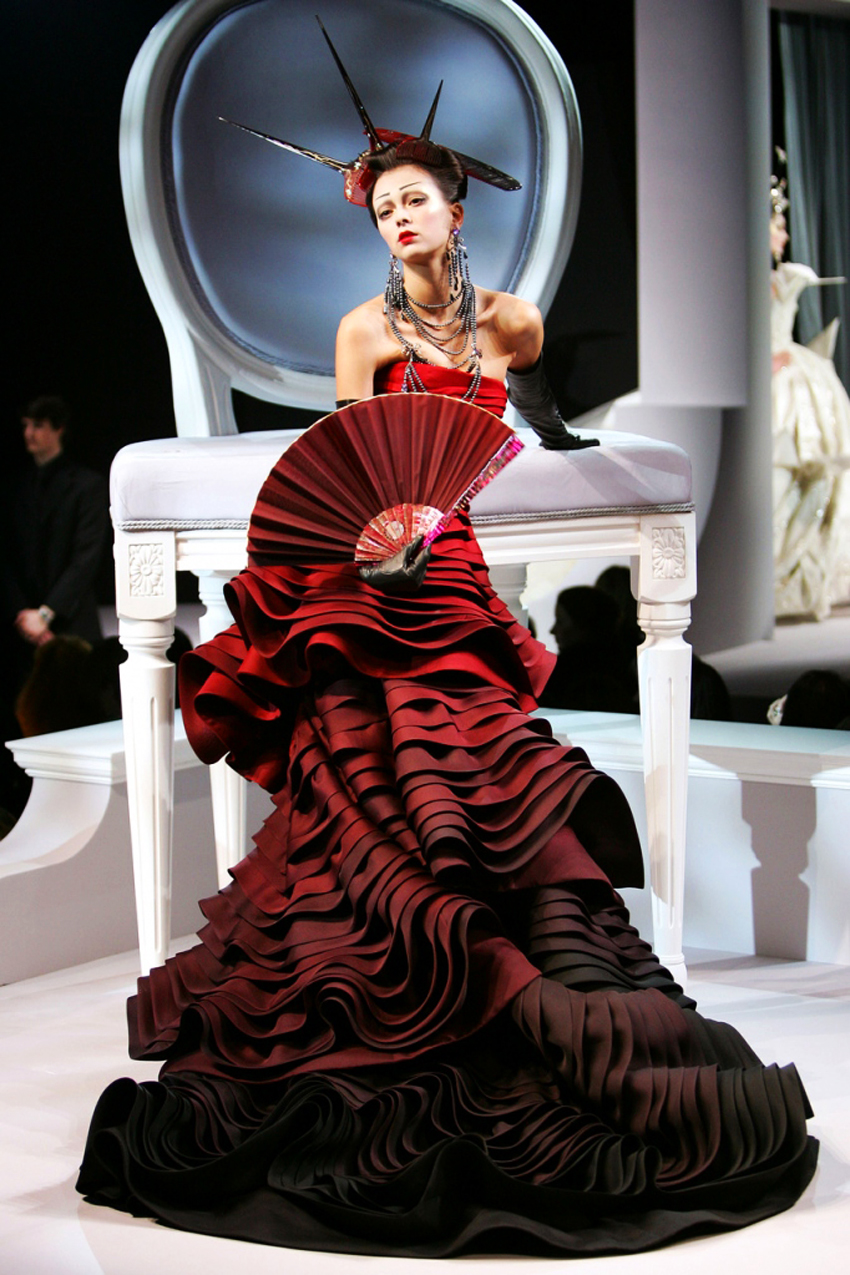
Dior Haute Couture 2007 by Galliano. Source: theberry.com

Dior Haute Couture 2007 by Galliano. Source: theberry.com

A jewel glowing orange, pink and red, nestled in the embrace of emerald green. A woman wearing the most feminine of opulent haute couture ball gowns. A Paris café whose decadent apricot tart is based in the richest of vanilla custards and lightly flecked with almonds. The faintest curls of smoke floating in the crisp fall air from a pipe whose tobacco is infused with sweetened fruit. Seemingly unconnected images, but images that are all rooted in one fragrance. 

PHI Une Rose de Kandahar (hereinafter sometimes just “PHI“) is a new eau de parfum from Andy Tauer, the founder and nose behind the much-adored Swiss niche house, Tauer Perfumes. PHI is one of Mr. Tauer’s “Collectibles,” a perfume that will be produced in limited quantities due to the rarity of some of its ingredients. As Andy Tauer explains on his website:

Phi is a luxurious scent, inspired by a natural extract of roses produced in Afghanistan’s rose region, Nangarhar. This rose oil is extremely rare and of highest quality. Inspired by these roses, growing in a dry and rough land, Phi is a rare gem, complementing contrasting lines, rich in natural raw materials that add depth and authenticity. Due to the limited amount of the rose oil, une rose de Kandahar is not guaranteed to be available all the time.

PHI. Photo: Hypoluxe.

PHI. Photo: Hypoluxe.

On Fragrantica, PHI is classified as floral, but it seems more accurate to me to call it a chypre with oriental and gourmand touches, or a hybrid. The Tauer website supports this impression, describing PHI as having both “woody and gourmand notes,” along with such chypre standbys as mossy patchouli, and such oriental highlights as ambergris. The perfume’s full list of notes are as follows:

Top: apricot, cinnamon, bitter almond, and bergamot;

Middle: rose of Kandahar essential oil, Bulgaria rose absolute, Bourbon geranium, and dried tobacco leaves;

Base: patchouli, vetiver, vanilla, tonka beans, musk, and ambergris.
Source: forwallpaper.com

Source: forwallpaper.com

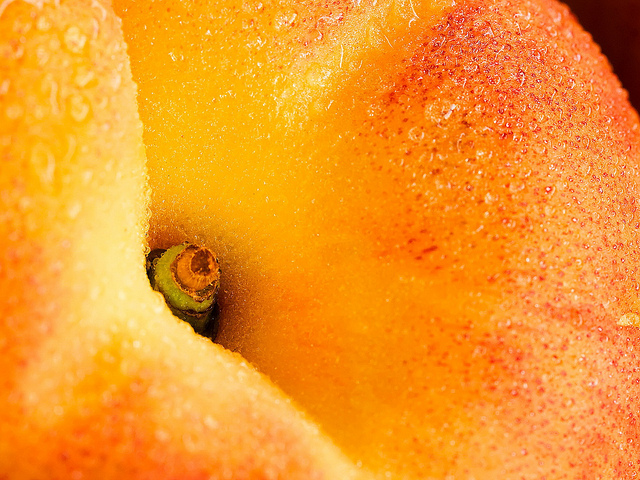
I tested PHI three times, and, each time, it opens on my skin with a forceful, jewel-like glow of ruby reds, soft pinks, blushing peachy-orange, and emerald greens. The red and pink visuals come from the most concentrated rose essences, feeling sweet and spicy all at once. The soft peachy-orange is from the apricot, which is tart, juicy, and tangy. Apricot is a note that I rarely see used in perfumery, and I’m a bit of a sucker for it. Here, it’s absolutely beautiful, feeling like bushels of the fruit have been rendered down into a smooth, concentrated purée.

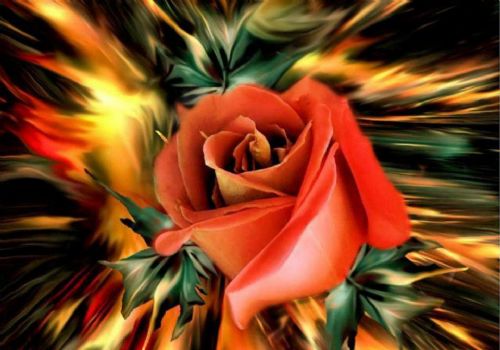
The two shining stars of PHI Une Rose de Kandahar are nestled in a cocoon of emerald green foliage that is pungent, peppered, spicy, and dark. The base is filled with notes that smell like soft, fresh, plush oakmoss, thanks to the effects of patchouli. Yet, to my surprise, something about it also has the darkly mineralized, grey, musty feel of actual oakmoss (or mousse de chene), even though there is no such note in the fragrance. Rounding out the imagery of leaves surrounding a flower is the geranium. It smells like the flower’s fuzzy, green leaves with their piquant, peppery, spicy, pungent aroma. 
Source: forwallpaper.com

Source: forwallpaper.com

The green accords are covered with a heavy dose of Mr. Tauer’s beloved ISO E Super. Though it was less dominant in some wearings than in others, it was always a part of PHI Une Rose de Kandahar. I will never (ever!) share Mr. Tauer’s views on the ghastly synthetic, but I’m relieved to say that it didn’t give me a headache in PHI, despite its sometimes heavy touch. In many ways, the aromachemical that he believes is the perfect photo-finishing touch does work here. It doesn’t smell antiseptic or like pink rubber bandages the way it sometimes can, but, rather, like something that is extremely peppery and a bit spiky. It underscores the feel of the other notes and amplifies, in specific, the geranium.
Source: Patisserie Deschamps, France.

Source: Patisserie Deschamps, France.

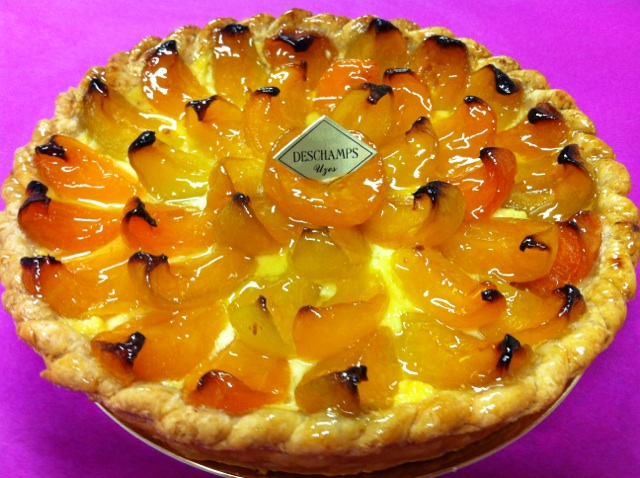
Five minutes into PHI’s development, the hints of vanilla that lurk below the surface explode onto the top. It smells just like highly buttered, rich vanilla custard. My skin always amplifies base notes, and I noticed that the vanilla was never prominent on a friend who I let try PHI. On her skin, the perfume’s opening was all rose and greenery, with very little apricot and absolutely no vanilla extract or vanilla custard. PHI was lovely on her skin, but I enjoyed the custard that showed up on me. Something about its combination with the apricot purée that is lightly sprinkled with sweet, spicy cinnamon brought to mind the glazed French apricot tarts that I would have when I lived in Paris. It’s a deliciously edible touch that just verges on the gourmand, and it adds a tasty richness to PHI.
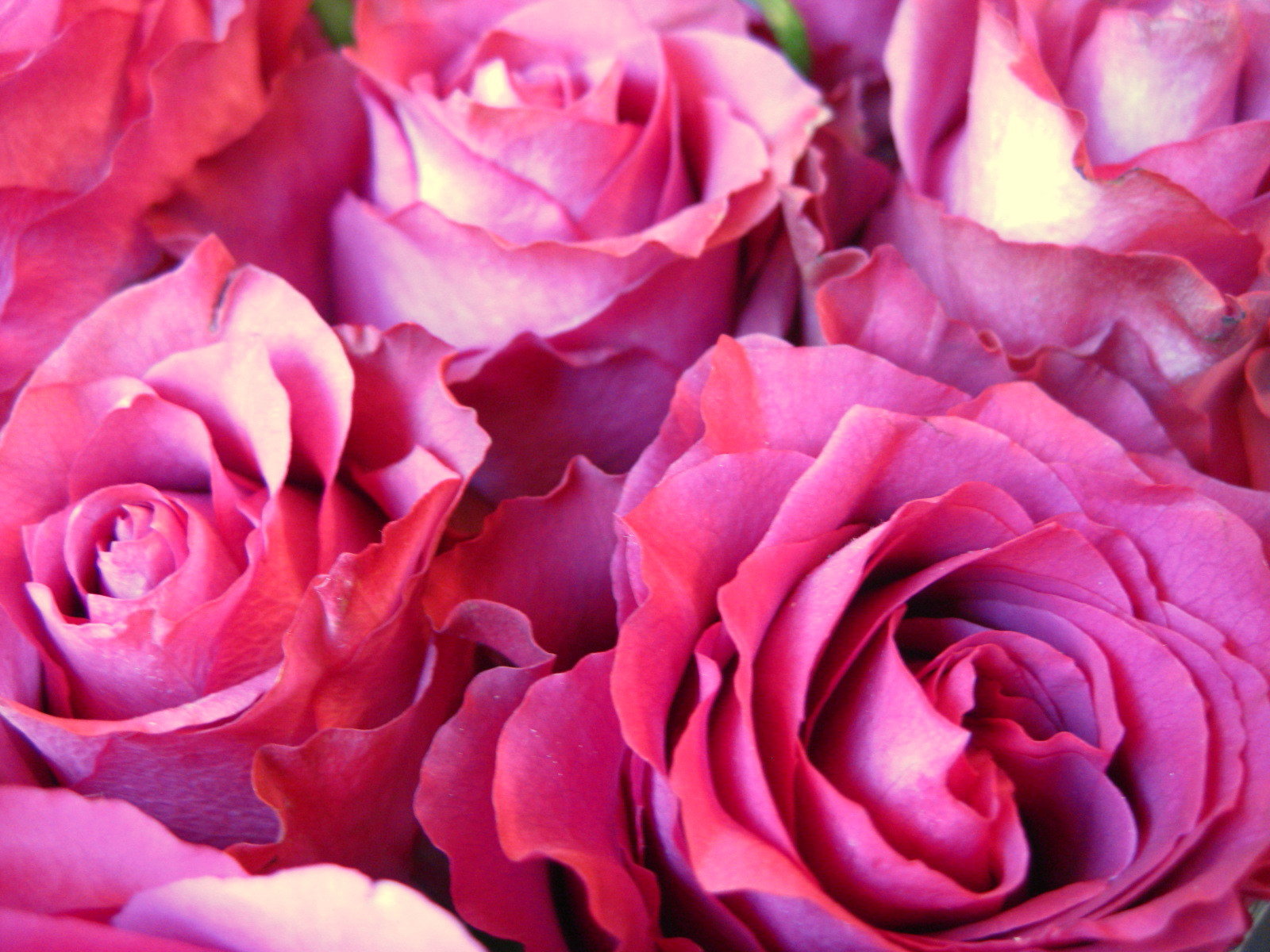
Photo: my own.

Photo: my own.

The overall combination with the deep rose and the oakmoss also made me think of Amouage‘s new Fate Woman which is another rose chypre with fruited overtones and a slightly gourmand vanilla base. The two perfumes are very different in their notes and core, but something about them feels similar in the opening moments. They both have a very intense chypre start with concentrated roses and fruited notes over a dark green heart with touches of rich vanilla. They also share an opulent, luxurious, feminine character that is very sophisticated, and have great sillage and potency in their opening phase. From 3 small sprays, PHI bloomed in a cloud about 4-5 inches around me, perhaps a little more, and it remained that way for about 40 minutes. It was very potent up close, but always extremely airy in feel and weight.

Dried tobacco leaves. Source: colourbox.com

Dried tobacco leaves. Source: colourbox.com

Forty minutes in, PHI starts to change. There are quiet pops of vetiver in the base that add a different touch to the dark foliage around the floral-fruity notes. The base elements now feel a bit less pungent and peppered, more dry and woody. There are also the very smallest, faintest hints of dark, dry tobacco lurking about deep down. Neither note, however, is very prominent in an individual way at this stage, and they never detract from the main trio of apricot, rose, and patchouli-moss.

Around the same time, there is the first whisper of an almond note that will become increasingly more prominent in PHI’s development. The nut is bitter but sweet and fresh, and it adds another delicious gourmand touch to the vanilla and apricot purée. The vanilla has also started to change, probably due to the impact of the drier notes at the periphery. The note is now airier, softer, more like whipped vanilla mousse than thick, buttered, rich custard.

At the end of the first hour, PHI is a smooth bouquet with top notes of apricot purée, spicy rose, and mossy-patchouli-geranium-ISO E Super, and bottom notes of almonds, vanilla mousse, woody vetiver, dry tobacco, and musk in the base. The sillage has dropped, and the perfume hovers about 1.5 inches above the skin, though it is extremely potent and strong when sniffed up close. It’s a beautifully refined, elegant bouquet that is never too sweet and never quite as simple as it appears from a distance.

Source: rbgstock.com

Source: rbgstock.com

PHI remains that way for another few hours, never changing drastically in its core essence, though some of the notes (like the cinnamon) fluctuate in prominence. The notes blur and overlap, blending seamlessly into each other, with only the apricot and the rose really standing out as significant forces in a very distinctive, individual way. It feels very gauzy on the skin, and I must confess that I wish PHI were not quite so sheer and intimate quite so soon; I was rather entranced with it, and wanted more, more, more! Instead, it feels as though the apricot or the rose take turns peeking out seductively like a glimpse of the lace trim on lingerie under a beautiful, jewel-toned dress. I wanted less sheer lace and sheer silk, and much more heavy velvet, but it is a matter of personal preference. PHI is clearly intended to be an elegant, refined fragrance without a sonic, nuclear blast — and it succeeds in its goal admirably.

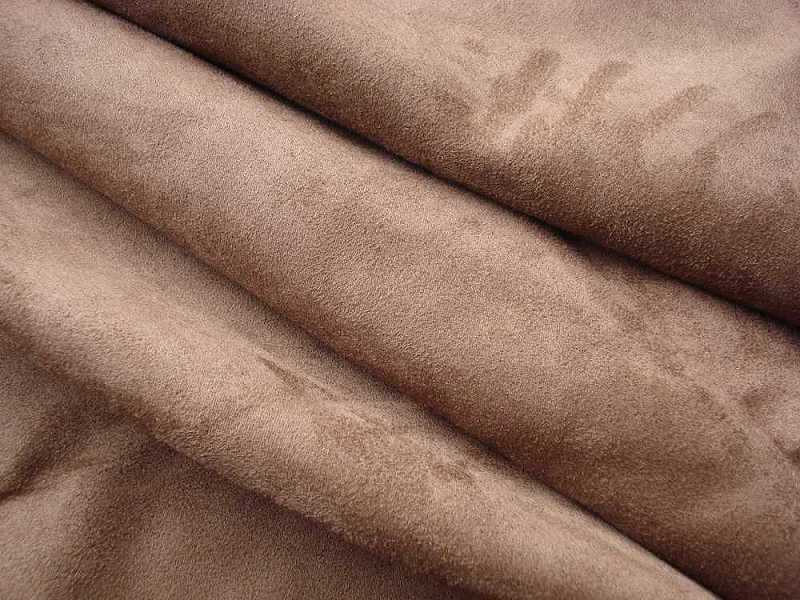
Source: rexfabrics.com

Source: rexfabrics.com

PHI continues to soften and change. Midway during the third hour, PHI turns into a skin scent of cinnamon-flecked apricots and almonds, atop a sheer vanilla base. The rose is still there, but it is secondary to the other notes and has retreated to the sidelines. Unfortunately for me, the ISO E Super remains like a haze over everything. At the 6.5 hour mark, a dryness creeps into the perfume as flickers of tobacco return. It’s sweetened and mild, like fruited pipe tobacco infused with a large dollop of apricots. There is also a quiet touch of cinnamon mixed in. The vanilla has largely disappeared, but its place has been taken by ambergris with its wonderfully salty, sweet, golden character. A sexy muskiness dances all around. The perfumed jewel now gleams with gold, bronzed apricot, and light brown. All greens and pinks have vanished, leaving PHI as a subtle oriental with dryness and just a touch of warm sweetness.

In its final moments, PHI is merely a nebulous blur of sweetness with abstract dry, woody touches, and a hint of something vaguely fruited. All in all, it lasted just short of 7.75 hours on my perfume consuming skin with 3 small sprays, and around 6.5 hours with less. The sillage starts off as extremely strong, before dropping with every hour to something that is quite soft in feel. And I enjoyed every bit of it, despite the ISO E Supercrappy. Andy Tauer’s exquisite Une Rose Chyprée remains my absolute favorite from the line, but it has very close competition with this new PHI Une Rose de Kandahar. Both of them are absolutely beautiful fragrances whose sophistication always evoke Haute Couture elegance to me. I would absolutely wear them myself, and I say this as someone who isn’t particularly enamoured with rose scents to begin with!

If you’re a man and think that all this sounds too feminine for you, you might be surprised. Though PHI is too new to have a lot of reviews out, one blogger found the perfume to be a masculine rose with a gourmand touch. The Scented Hound wrote:

WHAT I SMELL: PHI goes on with a rather flattened apricot with tinges of cinnamon and almond.  It’s kind of a muted sweetness in that when you smell it, it seems layered with the cinnamon hovering on top.  At this point, I’m thinking PHI is nice (nice = just OK), rather personal and relatively close to the skin, and more apricot than rose which I think is a bit strange.  Then at about the 10 to 15 minute mark, the rose begins to bloom.  And bloom it does.  It’s like the rose suddenly opens its petals and unleashes its glorious fragrance.  I don’t think I have ever experienced a rose fragrance that literally unfolds on my skin that way PHI does and I love it.  The rose is rounded and deep, and to me more masculine than feminine and rather gourmand.  But wait, we’re not done yet, after some more time, the rose becomes creamy.  Still further, PHI reveals its patchouli, making the fragrance a bit sweeter and more heady as its mixed with vanilla and amber gris.  Hours later, add in some tonka for a bit of a growl that helps to take the edge off of the sweetness.  In the end PHI ends up big, but not loud.  This rose is no wallflower, but she’s demure enough to be a bit coy.

The other blog review already out for PHI is an unequivocable rave from I Scent You A Day who writes:

PHI Rose de Kandahar has a Middle Eastern richness to it. Initially it’s honeyed Roses and Almonds and dried Apricots: it reminds me of a scented Souk. At first this edible combination was very Turkish Delight, just for a moment.  But what happens next is that it transforms into, unless I’m mistaken, something not unlike a good Arabian Oud.  I often find Oud too strong for me, but in Rose de Kandahar it’s like a robust backdrop to something altogether more delicate. The irony is that there is no Oud in it, but the combination of Tobacco, Ambergris, Vetiver and Patchouli gives this a very rich and almost prickly base.  It’s like serving an aromatic Bacchanalian feast on a rough granite table.

I think that “prickly” edge that she references is the bloody ISO E Super that Mr. Tauer loves to stick into everything. It also explains why she associated PHI with oud, since the synthetic is used by many perfume houses to accompany their agarwood or woody creations. (Montale, I’m looking at you in particular, but Parfumerie Generale, you’re almost just as bad. And Amouage, you’re not off the hook either, after Opus VII.)

Early reviews on Fragrantica are equally positive. One commentator writes how PHI “is a very unique apricot rose scent. I’ve never smelled another rose like it and I have dozens of rose perfumes in my collection.” Someone much less fond of rose perfumes is equally enthusiastic, saying: “I often find rose scents either too sweet,too watery or too green and wan but no-one does the deep, dark sensual fragrance of a rose like Andy. His roses are blood RED and seriously velvety. […] I will be ordering myself a FB asap.”

Source: RGPeixoto on Flickr. (Website link embedded within photo.)

Source: RGPeixoto on Flickr. http://www.flickr.com/photos/rgp-sep3/4122641355/

I share their enthusiasm, and am considering getting PHI as part of Mr. Tauer’s new Explorer Set. While the perfume costs $141 or €105.30 for a 50 ml/1.7 oz bottle, it is also available as part of a set of three 15 ml bottles for $138 or €102. (See the Details section below.) You can choose between a number of different Tauer fragrances, and I have to admit that Une Rose Chyprée is calling my name just as much as PHI. Whether you get one 50 ml bottle for $141 or a total of 45 ml of three different perfumes for a little bit less, I think it’s quite a decent deal given the quality and richness of the ingredients.

All in all, I’m a big fan of PHI. Its apricot-rose chypre opening is elegant, sophisticated, full-bodied, and opulent; its gourmand stage is delectable, creamy and smooth; and its oriental finish is sexy with a touch of masculinity. It’s lovely — from start to finish.

DISCLOSURE: My sample of PHI Une Rose de Kandahar was provided courtesy of Hypoluxe. That did not impact this review. I do not do paid reviews, my opinions are my own, and my first obligation is to my readers.

DETAILS:
Cost & Availability: PHI Une Rose de Kandahar is an eau de parfum that comes in a 50 ml/1.7 oz bottle that is currently exclusive to the Tauer website where it costs Fr. 130.00 / USD 141.70 / EUR 105.30. [UPDATE 1/25/2015: PHI is out globally and has also returned for a second season, while supplies last. In the U.S., you can buy it from Luckyscent which also ships worldwide and sells samples. Indigo Perfumery and Twisted Lily both sell the perfume and samples. In Canada, it’s sold at Indiescents, along with a sample. Internationally, the perfume or samples are available from First in Fragrance and the other usual Tauer vendors. Buying it directly from Andy Tauer’s website is often a tiny bit cheaper, but he doesn’t ship to every country.] The perfume will remain a Tauer online exclusive for 2013. (See note below at the very end for a special exception in the UK.) Tauer Perfumes sells a sample of PHI in a 1.5 ml glass vial for: Fr. 6 / USD 6.50 / EUR 4.90. There is also a Sample Set of any 5 different Tauer perfumes in 1.5 ml spray vials, including a sample of PHI. The set costs: Fr. 31, $33.80, or €25.10, and there is free shipping to most places in the world. Finally, there is now the new Explorer Set of 3 perfumes of your choice (including PHI Une Rose de Kandahar) for USD $138/ Fr. 126/ EUR 102. Each perfume comes in 15 ml spray bottles. Tauer ships the set to more places, because the 15 ml size passes many countries’ postal regulations (which have problems with full bottles). The exceptions, unfortunately, are Italy, UK, Russia, Spain. For full bottles, Tauer ships to France, Switzerland, Germany and Austria, but not “Great Britain, UK, Russia, Belgium and the Czech Republic.” Complete shipping information is here.
UK Availability: you can order a sample vial of PHI, or pre-order a full bottle from Scent and Sensibility. It sells the perfume for £115, with samples available for £4.50.
Samples: As of 11/21/13, Surrender to Chance now offers samples of PHI, starting at $3.99 for a 1/2 ml vial.

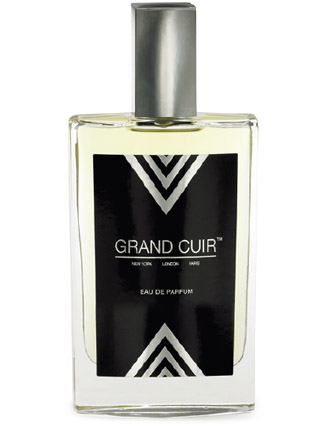
Parfums Rétro Grand Cuir

Source: lonelyplanet.com

Source: lonelyplanet.com

A rocky mountain road with long, winding curves lies ahead of you, the wind blows through your fingers as you rev the throttles on the motorcycle, and all around you wafts the birch, pine and herbs of a nearby forest. They mingle with the scent of a leather jacket that is at once raw and refined, dark black and aged brown. The leather changes from the hard edge of tarry birch, to the quiet rumble of animalic, feline muskiness, the sweet glow of amber, and the refinement of the most expensive Italian suede. The bouquet contrasts with the clean freshness of skin that still carries traces of the soap you used in your early morning shower. It tames and softens the leather’s edges, creating the illusion of polite refinement over the lion’s quiet rumbling.

Source: Luckyscent

Source: Luckyscent

Contradictions and paradoxes lie at the heart of Grand Cuir, a fragrance from Parfums Rétro that explores leather from one end of the spectrum to the other under the most civilized and sophisticated of veneers. It starts as raw leather coated with birch tar and pungent herbs before turning into the expensive, new black leather of a biker’s jacket, then burnished, softly aged leather with amber, before ending up as the most refined of Italian suedes infused with lavender. It’s a journey that is at once animalic and clean with a fragrance that starts almost as an aromatic fougère with leather, before it transforms into something very different. And the whole thing is done sotto voce, with the quiet firmness of a confident man who doesn’t believe he has to be flashy and loud to draw attention to himself.

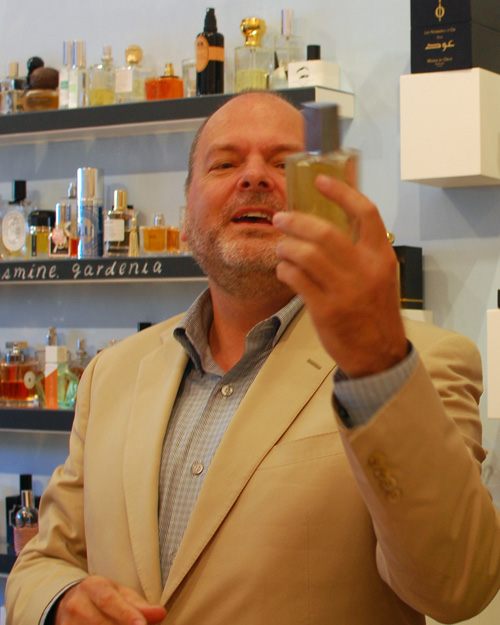
Jeffrey Dame. Source: Fragrantica.

Jeffrey Dame. Source: Fragrantica.

Grand Cuir is an eau de parfum that was released in June 2013 from a new company created by a veteran of the business. Parfums Rétro is the creative venture of Jeffrey Dame, a man who has more than 30 years in the perfume business in all its aspects: extensive involvement with Caron, Estée Lauder, Tuvaché and Neiman Marcus; actual perfume development for a number of houses; the creation of Perfume of Life (one of the very earliest online perfume forums) in 1999; his role as the President of Hypoluxe, a distributor of such well-regarded niche perfume brands as M. Micallef and Andy Tauer; and, now, his own perfume house with Parfums Rétro.

I should say at the outset that I know Mr. Dame (though we’ve never met in person), and I find him to be utterly charming, funny, direct, down-to-earth, and kind. He’s also a wealth of knowledge about the perfume industry as a whole, as he’s had a front row seat to observe its changes over the last 33 years. And he has definite ideas about how a perfume should progress, how it needs to have body and “movement,” and how many mass-market, commercial fragrances lack a distinctive character.

Ewan McGregor via The Daily Mail.

Ewan McGregor via The Daily Mail.

As a result, I was excited to see what his own creation would be like. Grand Cuir was developed in collaboration with the perfumer, Hugh Spencer, who has had a similarly long career in the business. At the same time, though, I rather dreaded what would happen if I hated the fragrance; I’m always honest, even if it doesn’t serve me well. So, it’s a huge relief to say that I think Grand Cuir is a genuinely good fragrance that has both the refinement of Chanel‘s legendary Cuir de Russie, but also, a sexy animalic growl. For me, Grand Cuir conjures up a good guy, with a slightly wild streak, clean cut sexiness, and sophistication under his leather. The fragrance straddles a variety of genres, and I found parts to be a mesmerizing balance of contrasts. I think men will love it, and that leather-wearing women would enjoy it as well.

In an interview with Ida Meister of Fragrantica, Jeffrey Dame described Grand Cuir as:

A fragrant composition in four parts:

    • A leather soul from start to finish.
    • Spicy and herbaceous accents.
    • A multi-dimensional floral heart.
    • A comfortable, relaxed base.”

The notes according to Luckyscent and Fragrantica include:

orange blossom, labdanum, birch tar, clary sage, lavender, carnation, rose, violet leaf, geranium, cinnamon, tarragon, pine moss, sandalwood, rosewood, patchouli and musk.

Source: yvelledesigneye.com

Source: yvelledesigneye.com

Grand Cuir opens on my skin with an aromatic, herbal, citric, fresh start. It may not be in the notes, but I smell bergamot, though it is quickly overwhelmed by a blast of dark, tarry, phenolic birch. It is followed by piquant, peppery, spicy notes from the geranium, carnation, and sharp lavender. Moments later, there is the sudden appearance of fresh, clean soap which contrasts with the dark tar of the birch. Running like a vein through it all is a dark-grey, mineralized, slightly fusty oakmoss.

It’s a start that very much straddles different perfume genres. Grand Cuir opens like a traditional aromatic fougère with lavender and citrus, but also like a crisp, clean, soapy cologne with aldehydes. Yet, Grand Cuir is also most definitely a leather fragrance with smoky, rubbery, tarry, and, at times, slightly raw undertones. The bundle of contrasts is soon complemented by other notes, stirring in the depths. There are hints of warmth and sweetness from the amber, then the merest whisper of patchouli, all lurking deep down. In the middle level, the rose and cinnamon flicker quietly, as does a suggestion of violets.

Source: philiphartiganpraeterita.blogspot.com

Source: philiphartiganpraeterita.blogspot.com

The leather rumbles through it all. For the most part, it never feels like purely raw, untreated leather, and it certainly never has the fecal aspects of some leather fragrances. On occasion, though, the birch tar does create a faint tinge of rubberiness and a dark smokiness. In essence, Grand Cuir smells like a very expensive, new, black leather jacket that still has something of an unbroken feel to it. It’s masculine and hard, but also soft and refined at the same time.

Photo: my own.

Photo: my own.

I think it’s Grand Cuir’s soapy, aldehydic undertone that helps create that impression because there is a certain fizzy cleanness that makes the leather feel “new.” In many ways, Grand Cuir feels like a much smoother, softer version of Chanel’s Cuir de Russie. On my skin, that legendary fragrance manifested itself as mounds of fecal horse manure under a thick blanket of soap suds. Thankfully, Grand Cuir completely avoids those unpleasant extremes with a much defter, smoother handling of the birch tar, leather, and soap. That said, as most regular readers know, I have a slight phobia about soapiness, and I would generally prefer none of it in any fragrance. The same goes double for aldehydes. Despite that, however, I admit that the amount in Grand Cuir’s opening phase was generally manageable, even for me.

Plus, the soapiness serves a very useful, positive purpose: it smooths out the leather’s distinctly animalic edge. While the leather note is never purely raw or untamed like in Montale‘s Aoud Cuir d’Arabie, it does have a very subtle undertone that verges on something urinous. It is much like civet, to be frank, but it’s not extreme, and certainly nothing like a men’s urinal. If you can handle a slightly feline whiff of civet in vintage fragrances, this will be child’s play to you. The note here is much more like the subtle touch in Dior‘s Leather Oud, or perhaps fainter. I like it, and find that it adds a bit of an animalic growl to Grand Cuir’s underbelly.

Clary Sage. Source: TreeFrogFarm.com

Clary Sage. Source: TreeFrogFarm.com

Aldehydes and leather are not Grand Cuir’s sole focus at this stage. The herbal accords are equally significant. Tarragon provides an anise-like freshness, while the clary sage adds a spicy, herbal, creamy touch. It has a nuance of both lavender and leather that works well to complement those other notes, while its aromatic freshness also helps undercut some of the darkness of the birch tar. My favorite part, however, may be the piquant, biting, peppery nuances to Grand Cuir’s top bouquet which consistently evokes the dark, green, fuzzy greenness of geranium leaves. The green visuals are underscored by a very subtle note of pine trees that lurks about Grand Cuir’s edges.

Thirty minutes in, Grand Cuir slowly shifts. A more orange-y element begins to stir. The notes start to merge into each other to create a well-blended aromatic, herbal, green, leather fragrance with tarry bits and aldehydes. The leather is incredibly smooth and refined for something so full-bodied. At the end of the first hour, the labdanum appears, adding a slightly animalic, musky, sexy touch to Grand Cuir. Its ambered warmth with its faintly nutty side counters the masculine, faintly raw edges of the leather, creating a smooth balance.

Source: topiphonewalls.com

Source: topiphonewalls.com

At the 1.5 hour mark, Grand Cuir settles into its next stage. It has lost much of the herbal, pungently green, somewhat tarry elements of its opening, and is now sleekly stalking out of the gates as a plush, smooth, deep leather with just a faintly animalic, musky growl and a lingering patina of soapy aldehydes. It’s as though that dark, new, black leather jacket has turned into a broken-in, burnished, soft leather that is warm, and rich. Grand Cuir is now flecked with amber, lightly dusted with sweet cinnamon, and is firmly ensconced in a woody embrace. It has the sensuous aspect of Serge LutensCuir Mauresque but with much more animalic touches, no jasmine florals, aldehydes instead of powder, and a much more woody base. Grand Cuir’s sillage also changes, dropping quite a bit to make the perfume hover just an inch above the skin.

Ewan McGregor for Belstaff. Source: Twitter.

Ewan McGregor for Belstaff. Source: Twitter.

The fragrance continues to soften and to transform on the leather spectrum. Grand Cuir feels masculine, but soft, clean, and musky at the same time. It’s leather that is turning to suede, but with still a bit of a sexy edge. In some ways, it evokes a clean-shaven man, more than one sporting stubble, if that makes sense. In fact, I have the perfect mental image in my head of the man who symbolizes Grand Cuir, but I couldn’t find an image to fit. (Apparently, men who wear leather don’t shave for fashion shoots!) It’s not James Dean in Mendocino, no matter what Luckyscent’s ad copy for Grand Cuir might say; James Dean is far too pretty. It’s also not Humphrey Bogart (too leathery, old, and rough), Robert Redford (too pretty again), or Leonardo di Caprio (too boyish and soft). George Clooney is very close, but I don’t associate him with leather or with a devil-may-care edge. It might be a dark-haired version of Steve McQueen in “The Great Escape” with the charm of Ewan McGregor and a dash of George Clooney, perhaps.

Steve McQueen in "The Great Escape."

Steve McQueen in “The Great Escape.”

Whoever the perfect masculine representation may be, Grand Cuir turns utterly addictive at the start of the 4th hour. It’s the most fascinating mix of musky and clean, animalic and refined. Something about the leather is as soft as the most expensive Italian suede, while still maintaining the feel of really well-polished, expensive leather shoes, and the confident swagger of a guy in a biker jacket. None of it is too much, either in terms of brashness, refinement, elegance or sexiness. And, believe it or not, I think that oddly clean, soapy patina may be the reason why. It keeps all the competing elements in check, balancing them out, taming the hint of civet-like sourness to the leather, and adding a sophisticated smoothness. For my tastes, this amount of aldehydes or soap is perfect — and perfectly chic. I wish it had been that way initially, but, again, I’m phobic about soapiness.

Source: seasonalcolor.yuku.com

Source: seasonalcolor.yuku.com

Grand Cuir continues to soften further, turning into the palest, creamiest suede. It sits over a base of amber that is warm, but not heavy or thick. It is also supported by a faintly woody undertone, though it’s too nebulous to be easily distinguishable as rosewood or something else. Finishing things up is a fluctuating degree of animalic edge, and a lingering muskiness that feels clean. At the start of the 8th hour, Grand Cuir is suede with a sweet-sour edge over sheer, woody amber, but with the surprising return of the lavender and clary sage. I tested the perfume twice and it was the same situation on both occasions: Grand Cuir turns into a beautifully soft, refined suede infused by the perfect touch of creamy lavender and slightly floral clary sage. I loved it, and was very happy that the fragrance remained that way largely until its very end. In its final moments, Grand Cuir was just a faint blur of lavender with some abstract suede-y sweetness.

Grand Cuir has enormous longevity on my skin, but very soft sillage. It lasted 12 hours on my perfume-consuming skin with three sprays, and 10.5 hours with two small ones. The sillage began at the moderate end, wafting about 3 inches above the skin, before dropping around the 1.5 hour mark to something much smaller. It was a skin scent on me by the end of the 2nd hour. All of this is intentional. Jeffrey Dame has explicitly said that he didn’t want a blustery, loud scent, but, rather, one that was discreet:

I realize that inobtrusive has ceased to be a positive attribute these days—but I intend it here as a great compliment. We aren’t howling patchouli here, or musk-monster, either.

My personal tastes actually do run towards “howling patchouli,” and I like perfumes with a sonic boom, but there is a time and place for refined, discreet elegance as well. If Grand Cuir didn’t have such a distinctive character and such movement across its stages, I would be less enthused, because who wants bland, boring discretion? But it does have those things on my skin. It has the refinement that I sought in Cuir de Russie before I came to a skidding, horrified stop at the enormous mounds of horsey manure and soap that emanated from my skin. (Yes, yes, I know that’s heresy. Stone me if you will. I fully recognize that I’m in a tiny minority on Cuir de Russie!) Grand Cuir also has the sex appeal of Cuir Mauresque, one of my favorite leathers and Serge Lutens fragrances. And then, it ends on the expensive suede softness of Parfum d’Empire‘s Cuir Ottoman, only without the gourmand vanilla touches but with woody notes or creamy lavender instead. For all that, I’ll put up with the discreet sillage.

I think the different aspects and facets to Grand Cuir make it something that women can wear as much as men, so long as they like leather. There are numerous women who worship at the altar of Cuir de Russie; they should certainly try Grand Cuir. However, women who don’t like perfumes with an animalic edge, or who prefer more purely suede affairs boosted by gourmand touches would probably struggle a little with Grand Cuir. I suspect that is why Luckyscent seems to have designated the fragrance as a “masculine” one.

That said, 40% of the sales of the perfume are by women, so don’t let the categorization put you off. If you can wear Etat Libre d’Orange‘s very intense leather Rien, if you like birch tar in various woody fragrances like Andy Tauer‘s Lonestar Memories, and if you enjoy herbal, aromatic notes, then Grand Cuir will be easy. The key is how smooth and seamless the fragrance is, how none of the notes are out-of-balance or bullying. From the leather to the birch tar, it’s all done in a manner that is intentionally less forceful or intense than in its compatriots. Grand Cuir wants to speak sotto voce, in everything, believing that refined subtlety is best.

Reaction to Grand Cuir is generally positive. On one early Basenotes thread, at the time of the perfume’s release, there are a number of appreciative comments. One example, from “Buzzlepuff” reads:

This is a fantastic leather fragrance – I think.    I am smelling rawhide realism, aged lived-in character, depth of tone, highs and lows, cowboys, floral civilized character points, lots and lots of growl in here.  Yes I am liking this leather sample.  This is leather for big boys and girls! Don’t even try it if you aren’t ready for the real thing.

In the official Basenotes entry for Grand Cuir, reaction is more mixed, with some people struggling in particular with the perfume’s opening. They found it smelled like “muscle ache rub” or “cold cream.” Yet, even one of those commentators liked the fragrance as it developed, writing

It becomes a very excellent natural leather fragrance, if you let it. […] If you make a snap decision about this, you will hate it.  If you give it some time you might love it.  It is not as strong as Knize 10, or most of the Spanish leathers out there; nor as flowery as Cuir Pleine Fleur by Heeley.  It is very subtle, natural and captivating.  I don’t know how it is “retro” but it seems fairly modern to me, but not austere or sweet. This is very much worth a try, after a rather strange opening.

A poster called “TheBeck” responded on how the problematic “cold cream” note is the clary sage, then wrote a positive ode to the well-balanced, “unique” elegance of Grand Cuir. It’s too long to quote here, but, in essence, he finds that the soapy aspect “gives us that fresh juxtaposition against the leather and birch tar base which makes this so intoxicating. […] Grand Cuir is perfectly balanced. How the ‘nose’ got all those spicy herbs, florals and leather to blend so seamlessly was no small task. But the results are fantastic.” 

On Fragrantica, the same dichotomy exists: a few people found the perfume too soapy, while others write lengthy raves about how it’s a highly refined leather with substantial depth, body, and transitions. I think the key is to get past the opening stage, especially the first 40-minutes, when the soapy element and the herbs are most distinct. The subsequent phases are worth it if you’re a fan of leather or suede fragrances. And the ending is really lovely.

DISCLOSURE: My sample of Grand Cuir was provided courtesy of Parfums Rétro. That did not impact this review. I do not do paid reviews, my opinions are my own, and my first obligation is to my readers.
DETAILS:
Cost & Availability: Grand Cuir is an eau de parfum that comes in a 100 ml/3.4 oz bottle and costs $155. For the moment, it is in exclusive distribution via Luckyscent which also offers samples for $4 a vial. Starting in 2014, however, Parfums Rétro will be available in the UK and the EU at various perfume retailers.

Oriza L. Legrand: Chypre Mousse, Horizon & Reve d’Ossian

Oriza logo. Sourc: the Oriza L. Legrand website.

Oriza logo. Source: the Oriza L. Legrand website.

An ancient perfume house whose fragrances have been brought back to life like Sleeping Beauty awakened with a kiss. Oriza L. Legrand (hereinafter just “Oriza”) is not a well-known house, but its perfumes have a unique character that is redolent of the past and the classic French tradition. Yesterday, I provided an overview of the brand, its history and how its fragrances have been tweaked from the 1900s to suit today’s tastes. Today, I’d like to briefly review three Oriza perfumes: Chypre Mousse, Horizon, and Reve d’Ossian. The remaining four, primarily floral fragrances — Relique d’Amour, Jardins d’Armide, Oeillet Louis XV, and Deja Le Printemps — are the focus of another post.

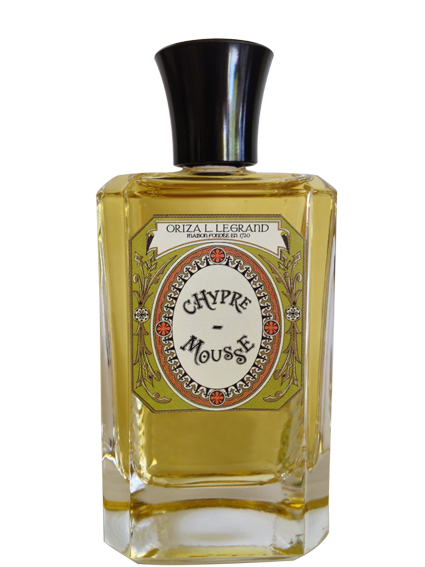
CHYPRE MOUSSE:

Chypre Mousse. Source: Oriza L. Legrand.

Chypre Mousse. Source: Oriza L. Legrand.

Oriza describes Chypre Mousse (at the link imbedded above in the title) as the essence of nature in autumnal woods:

After the first rainfall in September nature exude scents of humus, peat and wetland. [¶] This is the time for a promenade in the woods to enjoy the freshness after the heat of summer. [¶] Autumn encourages us to contemplate, to observate nature that gently prepares us for the coming winter and its frostbite.

The mossy paths, precious jewels of the undergrowth, are brightened by the last rays of sun. [¶] Cyprus-Moss evokes in us our surrounding nature which soon will be covered by the first fall of snow. [¶] Smell of damp undergrowth of scorched leaves and the scent of moss before picking mushrooms and chestnuts.

Chypre-Mousse, a Fragrance of the House Oriza L. Legrand launched in 1914 for the dandies of this world!

Top Notes[:] tonic & balsamic: Wild mint, clary sage, wild fennel & green shoots.
Heart notes[:] aromatic & flowing properties: Oakmoss, Galbanum, Angelica, fern, wild clover, Mastic & Violet leaves.
Backgrounds[:] Notes mossy & leathery: Vetiver, Pine Needles, Oak Moss, Mushroom fresh Humus, Roasted Chestnut Leather, labdanum & Balms.

Source: it.forwallpaper.com

Source: it.forwallpaper.com

As outlined in my earlier post on Oriza, I went to the boutique with the goal of sniffing and possibly buying a very different perfume, Horizon. I’m generally not one who buys a perfume without testing, especially given my crazy skin and how voracious it is. So, I sprayed both fragrances on my skin and on the sweater that I was wearing, walked out of the store to think about it, and headed on my way to Serge Lutens to buy my precious bell-jar. I went four blocks, sniffing myself throughout, then stopped dead in my tracks, and headed back. I had to have Chypre Mousse, then and there, without further testing. Suffice it to say, that is extremely unusual for me.

Source: photocase.com

Source: photocase.com

I’m not sure how to best describe Chypre Mousse. It’s not the typical oakmoss fragrance; it has neither the dark grey, mineralized, dusty fustiness of some oakmoss fragrances, nor the bright green, softly plush, fresh mossy feel of others. To me, it smells like the damp forest floor, wet leaves, dewy violets, earthy mushrooms, drenched forests, and a symphony of green, brown, grey, and purple. Again and again, I go back to Oriza’s description of “green shoots,” because there is something of youthful life that is pushing through the wet floor of a verdant forest.

Source: Cottage Environmentalist blog at fifthlake.wordpress.com

Source: Cottage Environmentalist blog at fifthlake.wordpress.com

Chypre Mousse opens with a pungent but sweet oakmoss that feels as though it’s sprouted right off the bark of a tree deluged by rain. There is a dark leather underlying it, covered in resinous, piney tree sap, swirled with darkened mosses, and speckled with reddish mushrooms. The strip of leather lies atop a mound of leaves whose autumnal oranges and browns have turned darker with dampness and water. All around are bunches of fresh violets, pushing out through the soil, past the green shoots, and in the wet space left untouched by the gnarled, woody roots of surrounding pine trees. The dewy, sweet purple flowers form a bright spot of colour in the dark, green forest.
Source: 123rf.com

Source: 123rf.com

The leather, wood, mushrooms, wet leaves, violets, grass, and moss are backed by traces of other notes. The sweetest black earth, the freshest of green herbs, the stoniest of grey boulders, the darkest of tree sap, and just the subtlest hint of smoky incense. The forest has come alive in a symphony that is leafy, earthy, green, woody version of Serge Lutens‘ delicate floral masterpiece, De Profundis. There is the same sort of haunting delicacy, of dewy wetness, of youthful life. The two perfumes are fundamentally different in notes, but they share a very similar feel. And, oddly, there is something of a chrysanthemum undertone in Chypre Mousse. Perhaps it’s the slightly piquant, peppered, floral greenness created by the other accords together that creates that strange impression. Whatever the cause, Chypre Mousse has the same haunting, evocative impact on me.

The most interesting aspect of Chypre Mousse may be the more unexpected notes. I have no idea what the “hummus” reference in Oriza’s list means, but the mushroom-y touch is fascinating. So is the combination of that leather note which has somehow been transformed by the other elements into something familiar, and yet not. This is leather that has been left out in the rain to have Nature and the forest absorb it, transforming it into something that is more a part of their world.

Source: modavesen.com

Source: modavesen.com

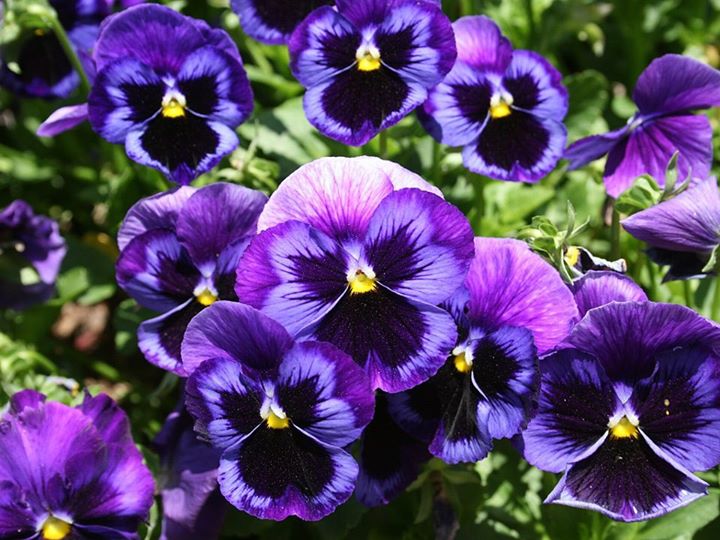
Yet, what I consistently found myself thinking about were the violets or pansies, whose tender refrain wraps its ribbons around you. The funny thing is, I never knew Chypre Mousse included them in my four or five early wearings, and I thought I was quite mad for detecting their delicate, purple hues in a scent intended to be a mossy, mushroom, earthy, forest one. In fact, long before I actually looked at Oriza’s list of notes, I sprayed Chypre Mousse on four people, and asked if they could detect violets. They merely scrunched up their eyes, responding with some form of dubious: “I guess.”

For them, Chypre Mousse was something indescribable, inexplicable, odd, but utterly mesmerizing. A swirl of unusual notes in a well-blended, seamless, elegant bouquet that they couldn’t place or categorize. One Paris fashionista who tested it took a single sniff of her arm, and immediately said, “I’ve never smelled anything like it. Where can I buy it?!” She couldn’t describe it, and neither could two others. A fourth tester was an experienced perfumista, and just looked at me with bewilderment. “What is this??!” Her initial response was uncertainty, but every passing minute changed that. She loved how she couldn’t put her finger on the scent or what lay underneath it. Even more so, she was astounded by the trails of aroma that followed in the air around her. As someone whose skin squashes both projection and longevity, she couldn’t get over it.

Source: wallpaperup.com

Source: wallpaperup.com

That brings me to Chypre Mousse’s sillage and longevity. It’s outstanding, even on my crazy, perfume-consuming skin. Two small sprays will create a large cloud all around me for the first hour, followed later by projection that extends about six inches. Later, when the sillage drops around the end of the third hour, Chypre Mousse continues to send out ribbons of scent in the air around you. And it lasts for ages. On average, I get around 10 hours with two small sprays, and well over 12 hours with more.

There are no entries for Chypre Mousse on Fragrantica thus far, but Ida Meister wrote a piece entitled Fragrant Snippets on a few of the Oriza scents. Like me, she was knocked off her feet by Chypre Mousse, and ordered a bottle right away. Her summation for the scent reads as follows:

It is Confession Time. I didn’t want to wait for another week: I ordered this edp PRONTO. 😉

Chypre-Mousse sings to me. All that lurks in the forest, humid and expectant after the first September rains. The exquisite aromas of the undergrowth; peat, mushrooms, humus. Moss and more moss; sheer delight for me, who craves that velvety green aromatic cushion beneath the nose, the feet, my fingers! A carpet of russet leaves underfoot, the seductive aroma of grilled chestnuts around the corner. Oriza may have had dandies in mind for Chypre-Mousse, but it is my ongoing intoxicating love affair with all things Green. I will wear my velvet cloak of chypre gratefully.

Chypre Mousse sings to me as well. I think it is an absolute masterpiece. To me, it doesn’t smell old-fashioned or dated for one simple reason: I’ve never smelled anything quite like it. From any age.

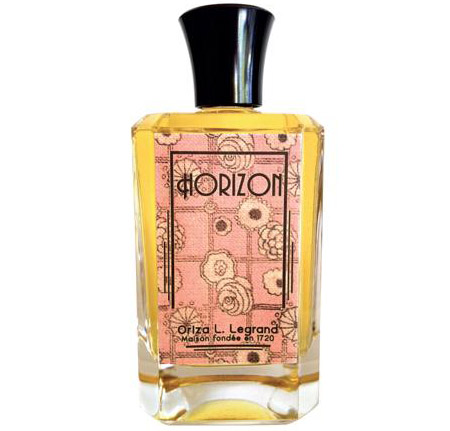
HORIZON:

Horizon. Source: Oriza L. Legrand.

Horizon. Source: Oriza L. Legrand.

Horizon was originally released in 1925, and Oriza describes the fragrance as the embodiment of its decade:

After World War I, the Roaring Twenties reflect the desire of the exotic and the need also through fashion and decoration. [¶] The East and particularly Asia, provide new HORIZONS. [¶] The frenzy for exotic travel and encourages artists to transcend the culture of the East in their creations: new silk, fine embroidery, pearl beads, woody scents, heady and sweet …

In the euphoria of the Roaring Twenties, the female body is revealed, it abolished the corset, the flappers open the eyes and smoking languidly.

Slumming it in the salons of Paris!

The materials, colors, shapes symbolize a new freedom and portend, at the dawn of the Roaring Twenties, the hope of a new HORIZON. [¶][…] [An] Oriental fragrance for boys and tomboys, fragrance of Precious Woods and Ambergris agreements Tabac Blond and Soft Leather.

Top Notes: Bitter orange, Tangerine Confit & Dried Rose.
Heart Notes: Cognac Amber, Aromatic Tobacco Leaves, Cocoa, Roasted Almonds, Old Oak & Patchouli.
Base Notes: Benzoin, Amber Gray [ambergris], Peat, Tabac Blond, Vanilla, Honey & Soft Leather.

Source: dailymail.co.uk

Source: dailymail.co.uk

Horizon called its siren cry to me the minute I read that long list of notes. Bitter orange and cognac? Patchouli and leather? Ambergris and tobacco? I was almost certain I would buy it, though things ended up differently when I smelled Chypre Mousse. But it was a very close thing. Horizon bloomed on my thin sweater with an explosion of Armagnac that was rich, nutty, and boozy beyond belief. I felt as though I’d actually had a bottle of aged brandy poured on me. Tendrils of smoke, patchouli, amber, and tobacco stirred underneath, but the main bouquet was a forceful explosion of booze in a kaleidoscope of reds, browns, amber, and gold.

It’s a different matter on skin. Very different, in fact, and significantly softer. I have to say that I’m glad I didn’t end up purchasing Horizon in the end for the simple reason that my skin seems to eat it up like a wolf who hasn’t seen food in weeks. I also can’t decide if Horizon is less complex on actual skin, or simply so much milder that all its layers aren’t as easy to detect. Whatever the case, Horizon is, for the most part, primarily just a boozy, cognac patchouli on me. You can definitely detect the other notes if you sniff closely and pay close attention, but, from afar, it is primarily a very soft patchouli cloud. I much prefer the deeper, more potent, robust version on fabric, alas.

Source: wallpaperswa.com

Source: wallpaperswa.com

On skin, smelled up close, Horizon opens with leather, patchouli, and cognac, followed by faint hints of bitter dark chocolate that grow stronger with the passing minutes. There are whiffs of caramelized, candied orange and something smoky. This is a true patchouli scent, in all its brown, red, amber glory, smelling spicy, leathered, ambered, and chewy, all at once. Lurking at the edges, there is subtlest hint of something nutty. It never smells almond-y to me, but more like toasted hazelnuts. The whole thing sits atop a base of ambergris that has the element’s special, unique characteristics: a very salty sweetness that is also slightly musky, marshy, sweaty, and rich.

Source: 123rf.com

Source: 123rf.com

There is a definite chewiness and earthiness to Horizon’s opening that soon changes into something lighter on my skin. For the first 25 minutes, the perfume is a dark, dense, orange-brown-black mass in visuals, but it turns creamier, smoother, gentler. There are slow stirrings of a very custardy vanilla in the base. At the 45-minute mark, Horizon seems softer and thinner in weight, with sharply reduced sillage, and a movement away from that very dark, leathery, chewy patchouli and leather opening. The orange bits have receded, the boozy cognac has started to evaporate, dark chocolate has turned into milk chocolate, and the patchouli feels infused with cream.

Source: popularscreensavers.com

Source: popularscreensavers.com

I’m consistently saddened by how quickly the fragrance becomes airy and light. It sits soft and low, with a scent trail that really only lingers for about 40 minutes before it drops to hover an inch or two above the skin. And then it drops even more. At the end of the second hour and the start of the third, Horizon sits right on the skin as a blur of creamy patchouli amber with the tiniest hints of milk chocolate, vanilla, and cognac. By the 6.5 hour mark, Horizon fades away as a blur of patchouli sweetness. It has to be me and my wonky chemistry, for Horizon feels quite potent and forceful in the first ten minutes. And a mere spray on my shirt continues to pulsate in full force days later.

Those with normal skin seem to have fared much better. Take, for example, Ida Meister whose Fragrantica piece on Horizon talks about the perfume’s longevity, along with how beautiful and modern it felt:

1925. Really???

Horizon smells utterly contemporary—it brings to mind Bois 1920’s Real Patchouly and Chantecaille’s Kalimantan. Truly well-aged patchouli is a joy, even for many who are phobic about it, having been previously traumatized by the cheap 1960-1970’s “head shop” astringent nostril-singeing variety.  😉  Horizon is as suave as it gets: ambery, boozy, honeyed and oaken. It feels utterly without gender. Horizon is a resinous silk duvet which enfolds you tenderly and possesses remarkable longevity. You can be a throwback to the Summer of Love or a CEO in an Ermenegildo Zegna couture suit; either way, it fits. It is heavenly in its own right, and a perfect illustration of classicism: if the design is excellent, it will remain so in the future. [It DID.]

On Parfumo, the lone review for Horizon is extremely positive, and talks about 12-14 hours of duration. The chap also mentions that his immediate reaction to testing the scent was “this smells like vintage Yohji Homme.” I may be remembering things incorrectly, but I believe I read somewhere that Yohji Homme was one of Luca Turin‘s favorite fragrances, and something whose loss or changes he’s mourned. Going back to the Profumo review, the commentator describes Horizon’s development, in part, as follows:

Horizon opens with a quick dash of almond before a slight powdery cocoa note emerges, mingling with a subtle dark dulled rose. As the fragrance enters the early heart the cocoa turns less powdery, blooming to full milk chocolate, as it mixes with the primary heart accord of boozy cognac and benzoin-laced semi-sweet amber. Natural woods and a touch of underlying anise join the remnants of the dull rose in support. As the fragrance enters the late dry-down, the cognac and dull rose dissipate while the relatively sweet amber remains dominant, now joined by traces of sanitized patchouli and suede-like leather. Projection is average and longevity is excellent to outstanding at 12-14 hours on skin.

You have no idea how utterly envious I am of such longevity. I loved the opening minutes of Horizon on me and, even more, the complete cognac-fest that exploded on my clothing. On the basis of smell alone, Horizon’s initial bouquet is extremely close to the ideal patchouli that I’ve been looking for since my old favorite from the 1980s, even if the subsequent development became very different. Alas, Horizon doesn’t ultimately work for me, but I’m sure that you will have better luck. It’s a lovely fragrance.

RÊVE D’OSSIAN:

Reve d'Ossian label. Source: Oriza L. Legrand.

Reve d’Ossian label. Source: Oriza L. Legrand.

The romantic, 19th-century poetic style of Ossianism with its poems of fairies, dark forests and mysterious wood are the heart of the inspiration for Reve d’Ossian. Oriza’s detailed explanation on the fragrance and its backstory reads, in part:

Reve d'Ossian bottle. Source: Oriza L. Legrand website.

Reve d’Ossian bottle. Source: Oriza L. Legrand website.

The [Ossian-style] poems achieved international success (Napoléon Bonaparte was a great fan) and many writers, painters and artists were influenced by the works, including Ingres, Schubert and Oriza L. Legrand Perfumes. […]

“Rêve d’Ossian” is a perfect perfume for those who claim a difference and the rich heritage of the History. Dark and precious essences, wooden notes filled with the mystery of the forest with fairies and pixies…

Top Notes: Frankincense and Pine woods.
Heart Notes: Cinnamon, Benzoin, Tonka Bean and Opopanax [sweet myrrh].
Base Notes: Tolu Balm, Sandalwood, Leather, Labdanum, Amber and Musks.

Source: www.sciencedaily.com

Source: www.sciencedaily.com

Reve d’Ossian opens on my skin with sharp black pepper, myrrh’s white incense, warmly sweet cinnamon, aromatic pine needles, and dust. It’s like an old monastery’s library in the middle of some German forest. For me, the dominance of the dust and incense makes the opening share some thematic similarities to Bertrand Duchaufour‘s Dzonghka for L’Artisan Parfumeur and, to a lesser extent, Heeley‘s Cardinal. I’m not generally a huge fan of High Church fragrances with olibanum or myrrh, and even less so for things with great dustiness, so I’m rather pleased when the latter quickly disappears. Less than five minutes into Reve d’Ossian’s development, it vanishes, a small soapiness takes its place, and the whole thing turns more ambered.

FrankincenseQuickly, Reve d’Ossian turns into a warmer, woodier fragrance with flitting bits of green pine needles that feel as though you’ve crushed them on your walk through the forest and on your way to church. There is a dark resinous feel underlying the white incense smoke, a pungently aromatic overtone reminiscent of a wintery forest, and the feel of crisp, sweet, piney sap. Less than 60 minutes in, Reve d’Ossian turns soft, a hazy blur of the two types of myrrh incense — olibanum and opoponax — with a touch of amber and only a hint of the great, green, woody outdoors.

Source: de.123rf.com

Source: de.123rf.com

At the 2.5 hour mark, the focus of the perfume shifts away from the incense. Reve d’Ossian is now largely an amber scent infused with nutty, warm, soft sweetness of myrrh and a hint of olibanum’s soapy whiteness. It lies right on the skin with extremely weak sillage. The fragrance turns into more of a blur, and, at the start of the 6th hour, all traces of amber and sweet myrrh opoponax fade away. In fairness to Oriza, a greater application (around 4 sprays from the atomizer) yielded far better results, just close to 7.5 hours. The sillage, however, remained moderate to soft.

Reve d’Ossian is one of the few Oriza fragrances to have a Fragrantica entry. With regard to longevity and projection, the majority of the votes put it at “moderate,” though a few also vote for “weak” in each category. The few reviews thus far are all positive in nature with the most detailed, descriptive one stating:

It’s quite close to a balsamic Baghari by Piguet.
A surprising opening, aerial and metallic (aldehydes and terpineols?) notes of pine, old wood and foam on wet stone but it’s warming gently, blowing a strange impulse to this myrrh fragrance. The smell of warm lightly ambered paper, dry almost dusty leather binder. An impression of moor in the autumn.
It is so at odds with our modern conception of the perfume he could be the last release of Comme Des Garçons: Odeur 1900, without changing anything.
Truly a beautiful work of resurrection of the house, all these completely forgotten fragrances are high quality, both modern in their treatment and completely faithful to the spirit of time: a real success.

I haven’t tried Piguet‘s Baghari or the Comme de Garcons‘ scent to be able to compare, but I do agree with much of his description, especially the parts about a dusty leather binder and the dominant role of the myrrh. I also agree that it has a high-quality smell. That said, I think Reve d’Ossian has some problems with it: it has a linear aspect, it’s not enormously complex, and it has sillage issues.

Nonetheless, I liked it, even though it’s not the sort of scent I normally go for, and I thought it was done with a lot of graceful elegance. There was something very appealing about Reve d’Ossian, very softly comforting in its amber heart. I actually don’t think it smells very dated at all, and it’s hard to believe that it was originally created in 1905, more than 107 years ago. When you think of how many scents from the early 1900s were floral orientals or chypres like Mitsouko, while today niche fragrance counters abound with a plethora of “churchy” incense, amber scents, it seems clear that Oriza L. Legrand was far ahead of its time.

Next time, we’ll visit the remaining four creations of Oriza L. Legrand which are largely floral fragrances that are centered around carnation, lily, and assorted spring bouquets.

PRACTICAL DETAILS:
WebsiteOriza L. Legrand. There is an actual e-Store that sells the perfumes and offers perfume samples. All 7 fragrances in the range are offered in 2 ml spray vials for €9. Shipping is listed as €9 extra, but a friend said he was charged only €7. The perfumes themselves are all eau de parfum in concentration, at around 18% perfume oil, and cost €120 for 100 ml/3.4 oz. Other vendors in Europe: For a few other French vendors, like Marie-Antoinette in Paris’ Marais quarter, as well as one store in Sweden and one in the Netherlands, you can check Oriza Points of Sale page. The Netherlands retailer is Parfumaria.

Histoires de Parfums 1899 Ernest Hemingway

Source: Wikipedia

Source: Wikipedia

1899 is the year of Ernest Hemingway‘s birth, and also the name of the newest fragrance from Histoires de Parfums, a French niche perfume house founded by Gérald Ghislain. It is a company whose perfumes are often entitled simply with a date in history, the year in which a legendary figure was born. This fall, they tackled Ernest Hemingway. I absolutely loathe the man for his personal life and character, but I was intrigued by how his essence might be encapsulated on an olfactory level. So when I saw a bottle of 1899 while visiting Jovoy Paris, I eagerly tested it on paper. My initial impression was far from favorable, but scented strips rarely tell an accurate tale, so I asked for a sample. I thought things might change upon a proper test. They did not, in large part. While I now see more to 1899 Ernest Hemingway than I did then, I’m still not particularly enthused.

Source: Luckyscent.

Source: Luckyscent.

1899 is the creation of Gérard Ghislain, and is an eau de parfum. Histoires de Parfums’ full description for the scent, along with its notes, is as follows:

The top notes of Italian bergamot, juniper and pepper are intended to be the aperitif that sparks the conversation and awakens the palate in anticipation of the meal. Following “Papa” from Spain to Italy with Mediterranean scents that evaporate to leave place to a darker mood, where the amber and vetiver mixed is reminiscent of the waxed wood of a Cuban bar top. The exotic meets the familiar, the tropical heat is cooled off by a glass of scotch. 

Top Note: Italian bergamot, juniper, black pepper

Heart Note: Orange blossom, Florentine Iris, Cinnamon

Base Note: Vanilla, Vetiver, amber

Juniper tree needles with berries. Source: nhm.ac.uk

Juniper tree needles with berries. Source: nhm.ac.uk

1899 Hemingway opens on my skin with a cocktail of salty sea crispness and hesperidic citrus freshness. First and foremost is juniper, yielding a green, pungent, pine-y, very outdoorsy aroma. It is infused with fruits, perhaps from actual juniper berries themselves, but also with crisp, lemony bergamot. I tested 1899 three times and, on the last occasion, juicy oranges were also quite noticeable, adding a fruited, sweet touch to juniper’s foresty, green, spicy, peppered aroma. Seconds later, black pepper, green vetiver, and a touch of floral iris join the mix.

Juniper.

Juniper.

1899 Hemingway has the initial profile of a very masculine cologne, but with greater heft and less thinness in its body. It is a profile that I struggle with, if I am honest. Juniper is not something that will make me jump up and down in ecstacy, and neither do black peppercorns or iris. Still, it’s a very rugged, outdoorsy, masculine aroma and I can see why they chose it for Hemingway.

Ernest Hemingway in Switzerland, 1927. Source: Wikipedia entry for Hemingway's "Fifty Grand."

Ernest Hemingway in Switzerland, 1927. Source: Wikipedia entry for Hemingway’s “Fifty Grand.”

Five minutes in, other elements become noticeable. Hints of orange blossom flit about with a slightly bitter, dark, pungent and piquant undertone that resembles neroli more than any indolic, lush, white floral bomb. In 1899’s depths, the vanilla slowly starts to stir. Up top, the vetiver becomes much more pronounced. It’s not earthy, damp, and rooty at all. Actually, when combined with the sharp, fresh citruses and the piney, almost cedar-like aroma of juniper, the vetiver feels very green. To me, the three notes together create the mineralized accord of the vetiver in Terre d’Hermès, only with a much more Alpine feel. During his first marriage, Hemingway went often to Switzerland, and there is something of that clean, fresh, crisp mountain air in 1899. You can almost see the vast forests of Switzerland before your eyes, only these are not snowy but dotted with orange and lemon trees as well.

1899 is a very well-blended fragrance that doesn’t always develop in the exact same manner. In my three tests, some of the notes varied in strength or in the order of their appearance. Take, for example, the iris. During my first test, it was barely a factor for most of 1899’s lifespan, popping up only occasionally at the perfume’s edges but without any substantial heft whatsoever. In my second test, it was quite pronounced in the end, adding a powdery touch to the perfume’s sweet final stage. In my third one, however, the iris suddenly appeared noticeably right from the start, adding its floral coolness to the Alpine meadows. Another note that seemed to vary in its character was the orange blossom which consistently seemed more fruited than floral, except the first time around when it manifested itself in both ways.

Abstract Green Fantasy by Bruno Paolo Benedetti. Source: imagesinactions.photoshelter.com

Abstract Green Fantasy by Bruno Paolo Benedetti. Source: imagesinactions.photoshelter.com

Nonetheless, 1899 does have some uniform aspects to its development. About 10 minutes in, the fragrance turns warmer and starts to lose its cologne-like sharpness. A touch of cinnamon appears, the amber awakens from its slumber, and the vanilla starts its slow rise to the surface. Warmth and sweetness slowly start to creep over 1899, like a wave inching up a sandy beach. The amber, vanilla and cinnamon may not be noticeable in any profound, individual way, but they have an indirect effect on the other notes. They make the orange blossom lose some of its piquant, bitter, neroli-like undertone, and soften the sharpness of the juniper, while adding a touch of spice. At times, the overall effect is almost like Viktor & Rolf‘s Spicebomb, but not quite.    

Suddenly, 25 minutes in, the warm notes flood the surface and 1899 changes into a much different fragrance. Gone is the purely cologne-like scent with its crisp, citrus, woody, masculine profile. Now, there are oriental and floral touches. First up is the orange blossom which stops feeling purely like a ripe, juicy, sweet fruit, and more like the actual white flower. It adds a sensuous touch to Hemingway’s face, like a warm, seductive caress across his unshaved whiskers redolent of his woody, piney, vetiver, lemon aftershave. While the main note remains the peppery, spicy juniper, it’s now been infused with cinnamon and amber as well.

Ernest Hemingway with a bull in Spain in 1927. Source: middletontimes.com

Ernest Hemingway with a bull in Spain in 1927. Source: middletontimes.com

1899 Hemingway’s shift is complete at the 40-minute mark when the vanilla bursts onto the scene like a white bull running into a Pamplona arena. From Switzerland, we’ve suddenly landed in Spain where Hemingway spent so much time in the 1930s. The land of Seville oranges, orange blossoms, groves of green, dry warmth, and languid sensuality — it’s all here, under the top layer of rugged, outdoorsy juniper-lemon cologne. I know Histoires de Parfums gives the perfume’s geographic trajectory as Spain to Italy to Cuba, but I’m sticking with Switzerland to Spain, with crisp Alpine forests taking on a more Mediterranean sensual warmth. I have to say, I find the olfactory symbolism quite impressive on an intellectual level.

Source: wallsave.com

Source: wallsave.com

I just wish I liked the actual smell. For me, the opening was too much like cologne, but uninteresting cologne. The juniper was too sharp and turpentine-like at times, and didn’t even have the appeal of a gin-and-tonic. I liked even less 1899’s new combination of vanilla with crushed juniper needles, trailed closely by cinnamon, then by orange blossoms, oranges, lemons and amber. Honestly, it made me feel queasy, each and every time. Something about the combination felt cloying in its sweetness, somewhat odd in its polar opposite parts, and simply not appealing at the end of the day. Perhaps I’m simply not a fan of juniper mixed with vanilla, gooey oranges, unctuous orange blossoms, and cinnamon. It is the main profile of 1899 Hemingway for hours and hours, and I really wanted it to stop.

Vanilla powder and essence. Source: food.ninemsn.com.au

Vanilla powder and essence. Source: food.ninemsn.com.au

1899 Hemingway brought to mind two other Histoires de Parfums’ scents, but for very different reasons. Like many from the line, the fragrance is not revolutionary or edgy, but has a gracefulness about it — regardless of whether you like the notes or not. Like its siblings, 1899 is potent at the start, while also being incredibly airy in weight and very well blended. In that way, it resembles Ambre 114. Yet, at its core, 1899 is thematically quite close to 1725 Casanova in its transition from masculine to soft, unisex, and almost gourmand in nature. It’s that powerful vanillic base that both fragrances share, after a very crisp start. However, 1899 is significantly more masculine in my opinion, even at its end, thanks to the woody juniper. 1725 Casanova is smoother, more truly unisex with its lavender, more gourmand at its base, and much better balanced in my opinion. It never felt cloying, or a war of extreme, opposite notes.

That brings me to what may be my fundamental issue with 1899 Hemingway: it doesn’t know who it wants to be. It took me a while (and three tests) to suddenly realise that the perfume is trying to be all things to all people. It straddles so many different genres: masculine cologne, oriental, woody outdoorsy, gourmand, and many hybrid versions thereof. But it can’t seem to make up its mind. I don’t have a problem with the fact that Histoires de Parfums has made a fragrance with a commercial, mainstream character — some people on Fragrantica think that 1899 is like Spicebomb — but I struggle with the perfume’s fragmented, confused identity. Perhaps that makes it very Hemingway after all; the writer was known to be a complex set of contradictions with a highly insecure, sometimes utterly neurotic side. (I am trying so, so hard to be polite about the man!)

Getting back to the perfume’s development, there really isn’t a lot more to say. Until its end, 1899 remains a scent that is primarily vanilla, juniper and some form of orange (or orange blossom) infused with a hint of cinnamon, all atop an amber base. At the 1.5 hour mark, its sillage drops, the perfume feels thinner, its edges blur, and the notes are not easily separable in a distinct, individual way. Three hours in, 1899 hovers just barely atop the skin. The sillage isn’t impressive as a whole with 1899 unless you apply a lot. Eventually, 1899 Hemingway fades away in some sort of sweetness and with an average lifespan of about 7.5 hours.

"Shades of Leaves," abstract photography by Bruno Paolo Benedetti. Source: http://imagesinactions.photoshelter.com/gallery-image/abstract-impressionist-photography/G0000LzIQxYEISEo/I0000rdtpLoFmVPU

“Shades of Leaves,” abstract photography by Bruno Paolo Benedetti. Source: http://imagesinactions.photoshelter.com/gallery-image/abstract-impressionist-photography/G0000LzIQxYEISEo/I0000rdtpLoFmVPU

The very end, however, seems to differ in terms of its olfactory specifics from wearing to wearing, perhaps as a result of the quantity applied. In one test, using 3 average sprays from the small atomizer, 1899 ended just after 7 hours in a blur of woody, juniper and vanilla. In another test, using 2 tiny sprays, it took a mere 6 hours for 1899 to die, ending in a powdery, floral, iris-y vanilla blur. In my last test, using 4 big sprays, 1899 lasted longer, just under 9 hours, before fading away with orange-y sweetness and nothing else. The atomizer’s hole is very small, so the quantity applied is probably much smaller than from an actual bottle. It would probably range between 1.5 big smears from a dab vial to about 4 very small, narrow ones.

1899 Ernest Hemingway is too new for there to be comparative reviews that I can show you. The fragrance’s Basenotes entry (on the old Huddler Archive) doesn’t have any comments from those who have tried it. Fragrantica‘s early discussion thus far seems to focus on the extent to which it is like Spicebomb. Some think it’s a much better version. One person (“deadidol“) thinks 1899 Hemingway is well-done, but largely a bore. I agree with parts of his assessment:

More often than not, this brand misses the mark for me, and Hemingway’s a bit of a snooze. When HdP step outside they box, they truly innovate, but too many of their scents strike me as pleasant, run-of-the-mill affairs that are solid value for money, but aren’t contributing anything new. This is a mildly boozy oriental with a powdery iris note and a hefty amount of spices. There are some floral undertones that are met with a dry fruit note to spin the scent as opulent, but it’s linear and doesn’t really do anything to distinguish itself from the more powdery offerings of Dior, ByKilian etc. Also, the connection to Hemingway is a total mystery as there’s nothing rugged, troublesome or even narratalogical at work here, and it’s certainly not very masculine or virile. With that said, it’s a practical addition to the line as it’s big and amiable, bearing notable similarities to Bois d’Argent, but it’s not going to have much appeal for those who are hoping for another Petroleum, Marquis de Sade, Ambrarem, or Ambre 114. Durable and great value (another one of HdP’s strong points), but ultimately too pleasant, too powdery, and too prosaic.

I think 1899 Hemingway is much more rugged and outdoorsy than he does, but I do agree that the fragrance is merely a pleasant, “run-of-the-mill” scent with some “amiable” features. Just how amiable will depend on what you think of the central juniper note, and its interaction with the vanilla and spices. It’s not my cup of tea.

Nonetheless, I have to agree with another Fragrantica commentator in giving kudos to Histoires de Parfum for avoiding the usual, traditional clichés about Hemingway. It would have been all too easy to make a fragrance centered on cigars and rum. And, in my opinion, the company has actually succeeded in encapsulating parts of Hemingway’s life and contradictory character. They’ve created a perfectly pleasant fragrance that will probably be very sexy on some men’s skin. Unfortunately, I find it hard to sum up enthusiasm for more than that.

DETAILS:
Cost & Availability: 1899 Hemingway is an Eau de Parfum that comes in two sizes: 2.0 oz/60 ml for $125 or €87; or 4 oz/120 ml for $205 or €145. (Further decant or mini-sized options are below). Both full bottle sizes are available on the Histoires de Parfums website, which also has a fantastic sample program (6 samples of your choice) whose $20 price goes towards the purchase of a large 4 oz. bottle. Further details are available here as to how the process works. Shipping is free for all orders anywhere in the world for purchases over $130; below that, there is a $10 shipping fee. In the U.S.: 1899 Hemingway is available from Luckyscent in both sizes, along with samples. BeautyHabit also offers both sizes of 1899. The Perfume Shoppe (which has a Canadian division) sells 14 ml decants of 1725 for $36. Outside the U.S.: In the UK, you can find 1899 Hemingway at the Grooming Clinic for GBP £124 for 120 ml. Roullier-White in London carries some of the HdP line, but I didn’t see Hemingway on their website. For the rest of Europe, you can find it at Jovoy Paris for €87 or €145, depending on size, or at First in Fragrance which only has the larger 100 ml bottle of Hemingway at €145. For all other countries, Histoires de Parfums vast Store Locator lists retailers from South Africa to the Netherlands, Sweden and Kuwait. Samples: You can find samples at a number of the retailers linked to above. Surrender to Chance doesn’t yet carry the fragrance as it is too new, but you can order from Luckyscent in the meantime.